Friday 16/10/26
The Monocle Minute
London Paris Zürich Milan Bangkok Tokyo Toronto

Sponsored by

La Maison du Whisky

Monocle

Good morning from Midori House. For more news and views, tune in to Monocle Radio. Here’s what’s coming up in today’s Monocle Minute:

THE OPINION: Frieze proves that London is not frozen out of the world’s art market
DEFENCE: Starlink stifles Ukraine’s satellite connections
DAILY TREAT: Step into Swiss culture in Paris
THE LIST: Stories that you might have missed


The Opinion: culture

Smart curation keeps the outlook sunny at this year’s Frieze London and Masters art fairs

By Sophie Monaghan-Coombs

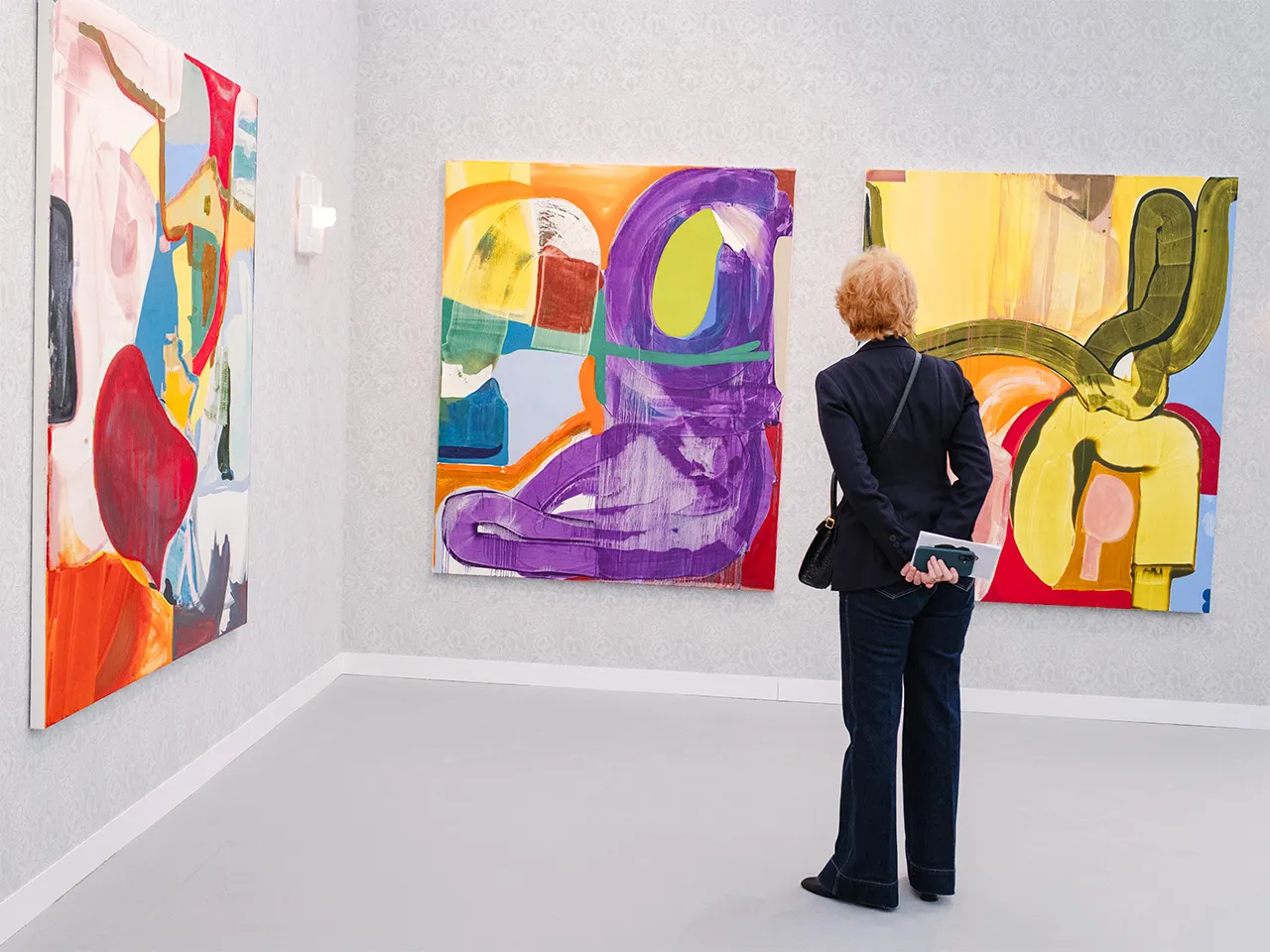
The bright blue sky of a perfect autumn day hung over the white tents at Frieze this week. On Wednesday, the opening of the UK’s most important art fair was so packed with invite-onlys that it made you wonder where so many very important people had been hiding for the rest of the year. The art market, we are told time and again, is not what it once was – but is there hope for it to be found in Regent’s Park? Or just the opportunity for some excellent people watching?

At one end of Regent’s Park, Frieze Masters – the section of the fair dedicated to works created before 2000 – tells a fascinating story of craft and creation. There are some wonderful things to see: meteorite fragments, dinosaur skulls and historic weaponry among them. “You could say that we’re telling the story of our universe – not just of mankind and of human creativity,” Emanuela Tarizzo, the director of Frieze Masters, tells Monocle. “We see more people collecting art alongside natural history and it reflects a way of collecting that was already in existence at least 500 years ago – the so-called Kunstkammer [cabinet of curiosities]. It’s fun to see it come back today with different generations.”

 
A bright spot: Is Frieze bringing hope to the world’s art market?

What makes Frieze Masters such a unique proposal – and what has been masterfully realised this year – is the savvy curatorial approach that underpins it. At the booth of rare books dealer Daniel Crouch is a set of 10,000 satirical prints from the collection of the late British restaurateur Andrew Edmunds. The single lot is esoteric, yes, but extraordinary and shown alongside a 17th-century French printing press. It’s a steal at £45,000 (€53,000). Elsewhere, a 17th-century still life by Jan Brueghel the Elder (which led early sales at about £5m, or €5.9m) hangs alongside an artwork by star British artist Flora Yukhnovich, creating the chance to see both in a new light.

Across the park at Frieze London, which is focused on contemporary work made after 2000, many of the booths belong to familiar names. For those debuting, the fair has been a North Star. “Frieze London has been my favourite fair internationally for as long as I’ve been in this industry,” says Jennifer Carvalho of New York-based Carvalho gallery, which joins the fair for the first time this year. Carvalho is presenting new works by Corinna Gosmaro, Guillaume Linard Osorio and Rachel Mica Weiss, with sculptures, paintings and installations that make use of unusual materials – marble, thread and polycarbonate among them. Carvalho seems content with her sales so far, including of two works by Mica Weiss (who has a waitlist in the US), which sold in the fair’s first hour for £22,000 (€26,000) each. “I wasn’t necessarily expecting that,” says Carvalho. “I have always found the US market to be the most resilient but I see now that the strongest works will find their collectors wherever they are.”

Carvalho’s peppy sentiment is echoed by the energy across Frieze this year – and in the healthy sales sheets. Highlights include the sale of three paintings by Alice Neel for a combined $5m (€4.5m), a new painting by Michaël Borremans for $1.5m (€1.3m) and a second-century mottled red sandstone sculpture going for just over $1m (€890,000).

It seems that great works, as Carvalho contends, will find their buyers and, at both Frieze London and Frieze Masters, galleries have brought their best. In turn, collectors are putting their hands in their pockets – whether for a bronze William Turnbull sculpture or a prehistoric sabre-cat skull. Those blue skies might have been something of a portent and Frieze is painting London in a good light.

Sophie Monaghan-Coombs is Monocle’s associate culture editor. For more opinion, analysis and insight, subscribe to Monocle today.

More art and collecting stories

– How the art world repackaged ‘cross-category collecting’ as a clever new trend
– Treasure hunters: Seven industry specialists behind the art auction block
– Thinking of starting your own art collection? Design Miami CEO Jen Roberts has some tips


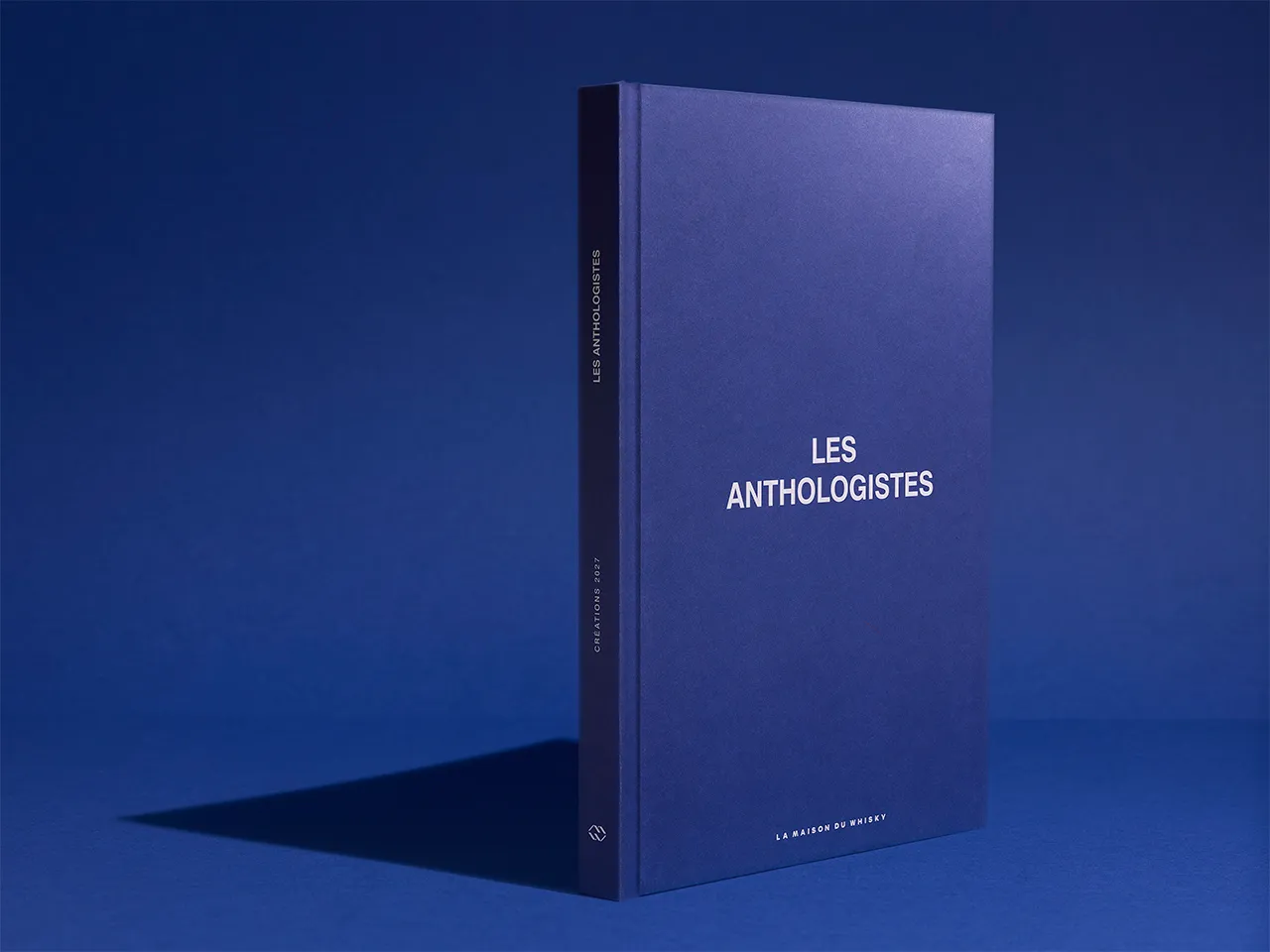
La Maison du Whisky unveils its new collection

For 70 years, La Maison du Whisky has forged relationships with distilleries and independent bottlers. With The Anthologists, its 2027 Creations Collection, it reaffirms its role as a curator, celebrating creativity and innovation in the world of spirit makers.

Discover the collection

Sponsored by La Maison du Whisky


The Briefings

defence: ukraine

Ukraine’s Starlink restrictions show that a reliance on US technology for defence is increasingly risky

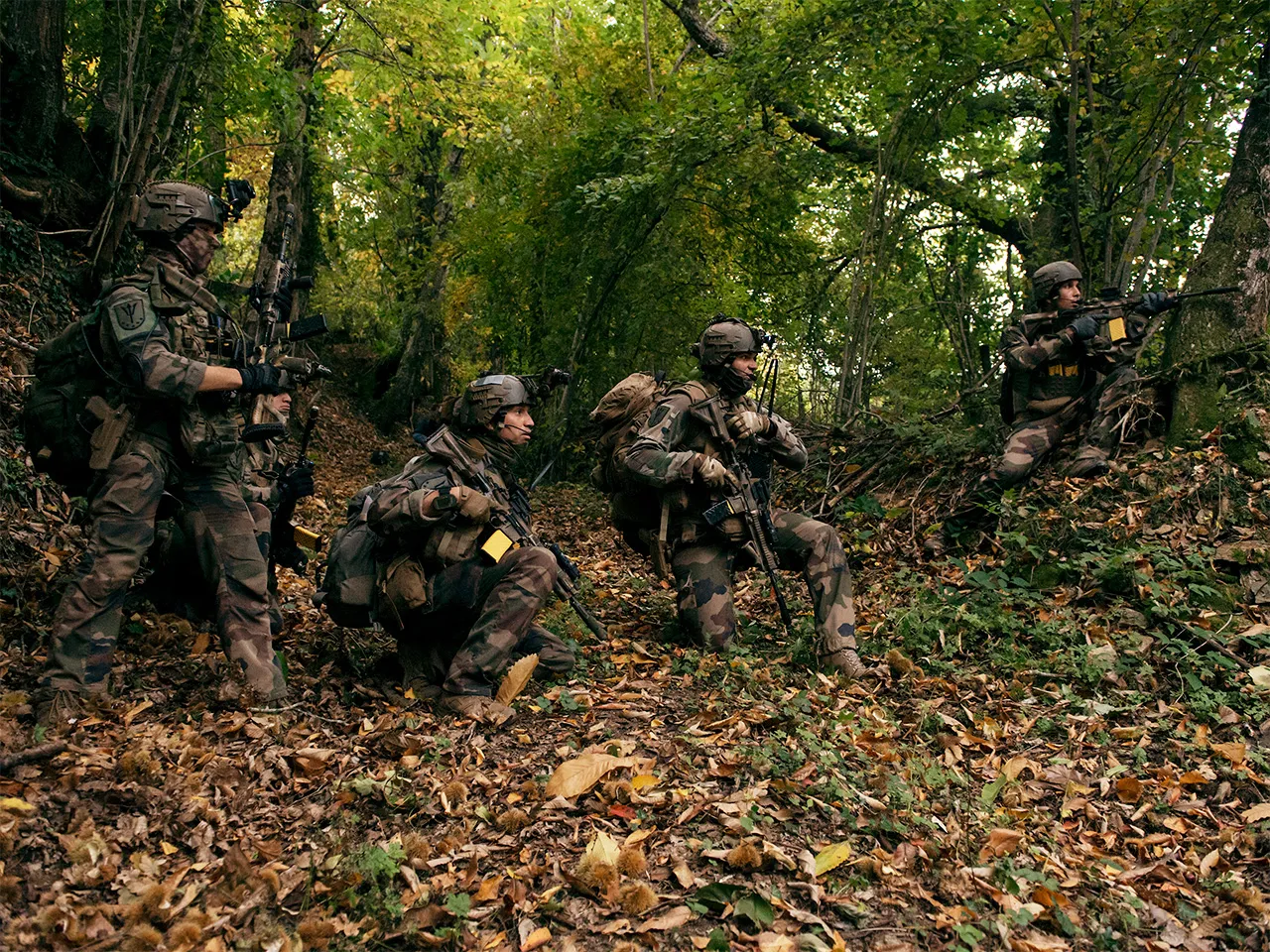
This week, Ukraine reported that it faced sudden restrictions on the SpaceX satellite-internet network Starshield, a key part of the country’s defensive capabilities (writes Ash Bhardwaj). Ukraine’s armed forces rely on two SpaceX systems – Starlink and Starshield – for military communications and the control of drones, though only the latter can be used for the high-speed aerial vehicles deployed in military operations.

SpaceX’s owner, Elon Musk, stated that only the US government could have throttled the satellite system because it is owned and controlled by the country’s Department of Defense. As of Thursday night, the White House and the Pentagon had not responded. The disruption followed Donald Trump’s announcement of a deal to buy Russian diesel.

Though Ukraine has used satellite internet to strike Russian oil refineries – a source of frustration for Trump – those attacks did not involve Starshield. The country is only licensed to use SpaceX systems in its own territory and has instead used cruise missiles or pre-programmed drones to strike such targets.

The Starshield-dependent interceptors that Ukraine uses to shoot down Russian drones fly at speeds of about 200km/h. The restrictions threatened Ukraine’s ability to stop attacks on power stations, schools and hospitals; on the night that they began, Russia fired about 40 ballistic missiles and more than 100 drones at Ukrainian cities. Four people in Kyiv were killed.

The disruption affected the front lines too. Ukraine uses high-speed drones to strike Russian forces and has recently combined them with tanks to claw back territory. Over the past few days, many Ukrainian missions have been cancelled.

In an interview with Piers Morgan on Wednesday, Ukraine’s president, Volodymyr Zelensky, expressed dismay at what he saw as a betrayal by the Trump administration. The satellite interruption further threatened the defence of Ukraine’s cities, which the US president had already hindered by concentrating Europe’s supply of Patriot interceptor missiles on Iran. Alongside an increase in civilian casualties, it could have curbed Ukraine’s momentum in Donbas, giving Russian forces a lifeline at a crucial moment.

For America’s allies, this is another sign that buying US military systems is risky, with their functionality depending on the whims of a capricious president. The Starshield restrictions have helped Vladimir Putin by weakening Ukraine and deepening the divide between the US and Europe.


• • • • • DAILY TREAT • • • • •

Peruse print treasures at Paris’s Centre Culturel Suisse

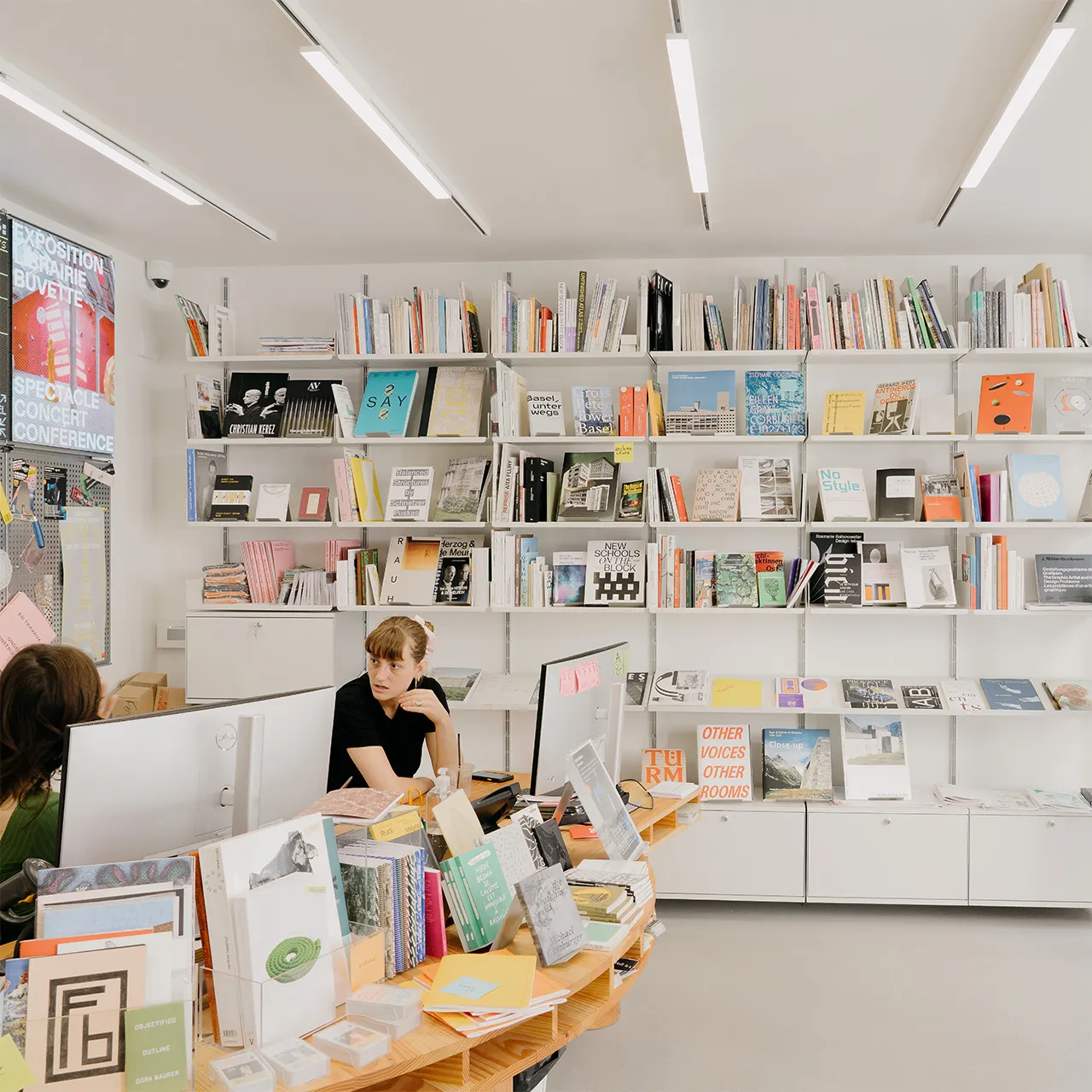
Making Swiss culture stand out in a global arts-and-design hub such as Paris is a tall order. But the revamped Centre Culturel Suisse (CCS) – which recently reopened to the public after a four-year, CHF7.3m (€7.9m) renovation – has set a new benchmark for those seeking to promote their nation’s creativity and values abroad.

The 17th-century maison particulière houses a bookshop where you can find a fine selection of architecture publications, photo books and design objects, with volumes from respected Swiss publishers such as Park Books and Edition Patrick Frey.
ccsparis.com


Sponsored by La Maison du Whisky


Beyond the headlines

the LIST: FROM monocle.com

Stories that you might have missed

Not been on monocle.com recently? Here are three updates worth your while.

How satellite internet is changing the face of the Ukraine-Russia war


Strikes on Saudi airports show that the kingdom still has a way to go when it comes to security


‘Strategic troublemaking’ for peace: Europe needs a new defence plan if it wants to play negotiator


Monocle Radio: ON DESIGN

How to party properly and shop well with Studio Boum and Kartell