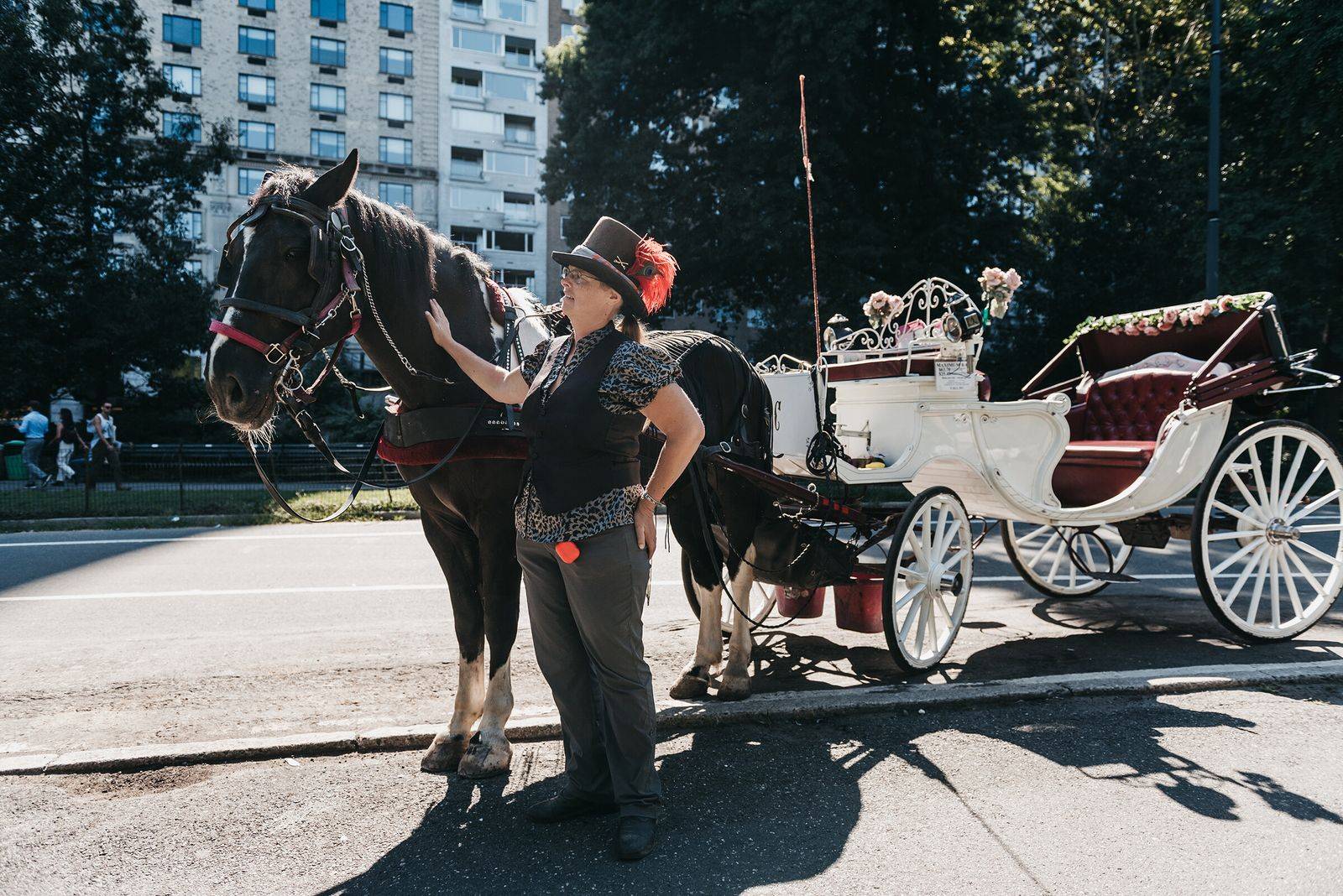
Growing up near Central Park, I always took horse-drawn carriages for granted: charming, nostalgic, smelly, a bit of a tourist trap. But, this past summer, I started noticing a string of unsettling headlines. In June, one horse died in the Park after eating Japanese yew, which is highly toxic to many animals. Just a week later, a horse bolted while transporting a family of Indian tourists in the carriage, causing an eighteen-year-old passenger named Romanch Mahajan to fall to his death, of blunt-force trauma—the first human fatality from a Central Park carriage accident that anyone can remember. At the time, a bill to ban carriages was before the City Council, but these tragedies bolstered its political momentum. The bill, now called Romanch’s Law, is headed for a vote this month, and Mayor Zohran Mamdani seems poised to sign it. If that happens, a hundred-and-sixty-year-old feature of New York City life will be phased out by 2028. I wanted to know more: How did a seemingly quirky municipal issue become an operatic political saga?
As I soon learned, while reporting a story for this week’s issue, the fight over carriage horses goes back as far as the nineteen-eighties, under Mayor Ed Koch. In 2013, the issue even swayed a mayoral election, when a well-funded anti-carriage group helped launch a million-dollar-plus ad blitz against the City Council speaker, Christine Quinn, who was a protégée of Michael Bloomberg and the front-runner in the race—and a protector of the carriage industry. That is, in part, how we got Mayor Bill de Blasio, who promised to ban carriages “on Day One.” And yet, in two terms, he couldn’t get it done, thanks to pushback from the union representing the carriage drivers. In my reporting, I spoke to a vast and colorful cast of characters, including de Blasio, Alec Baldwin (who got into an ugly spat with a carriage driver in 1992), animal-rights advocates, the parking-garage mogul behind the anti-carriage campaign, and the shop steward of the drivers, who warns that this is an existential moment—not just for her industry but for humanity. I also met some pretty horses along the way.