As AI reshapes work, school and love, what’s going to be left for humans? In a wide-ranging conversation on TED Intersections, psychotherapist Esther Perel and TED's vision steward Sal Khan provide their unique takes on the answer. From personalized learning and AI companions to "emotional capitalism" and the rituals we create to live with uncertainty, the two explore if we're really getting better at living — or just getting better at optimizing.
|
- Employers hiring for the AI era care more about soft skills than ever before. Now called "durable skills," the communication, collaboration, creativity and listening that contribute to relational intelligence used to just be praised in principle and ignored in practice, says Perel. That's starting to shift, in both the workplace and education.
-
Today's culture optimizes everything — even love. "We're bringing a technological approach to relational dilemmas, when relational dilemmas are often not problems that you solve but paradoxes that you manage," says Perel. If we can move away from this "emotional capitalism" and instead focus on embracing the challenges, Khan thinks we'll transition from optimizing to thriving.
-
AI-driven uncertainty could drive us to connect more. For most of history, uncertainty surrounded health and nourishment, says Khan. Now, "the scary thing is that we don't know what our place is going to be in this world.” Khan continues, “And what excites me is it's an opportunity to build, rebuild, maybe resurrect some of these things that have been throughout our history ... religion, rituals, other forms of connection, cultural relationships."
|
|
|
|
China’s open-weight AI models are facing new competition from a Brooklyn-based Nvidia-backed startup called Reflection. Beam, the company’s first open-weight model, was released Monday, offering an alternative to popular Chinese models like DeepSeek, which many Western businesses and governments have deemed a security risk. While not quite as transparent as open-source, open-weight models are available to be downloaded, used and customized by anyone.
Related: Open-source software is the darling of the tech world, but the open-source branding used by today's AI companies is inconsistent and confusing. Delving into the complexities of differentiating AI from conventional software, open-source expert Heather Meeker explains the importance of a collaborative approach to AI development, emphasizing its potential to address global challenges — as long as it's grounded in transparency and public trust.
|
|
|
TED IS SUPPORTED BY ADS AND PARTNERS |
|
|
|
| How to Be a Better Human • 43 min |
Sitting all day takes a toll on your health, but staying active might be simpler than you think. Exercise scientist Keith Diaz joins host Chris Duffy to explain how to build better movement habits, why a basic alarm can beat a smartwatch for motivation and how activating your muscles helps fight disease. |
|
|
|
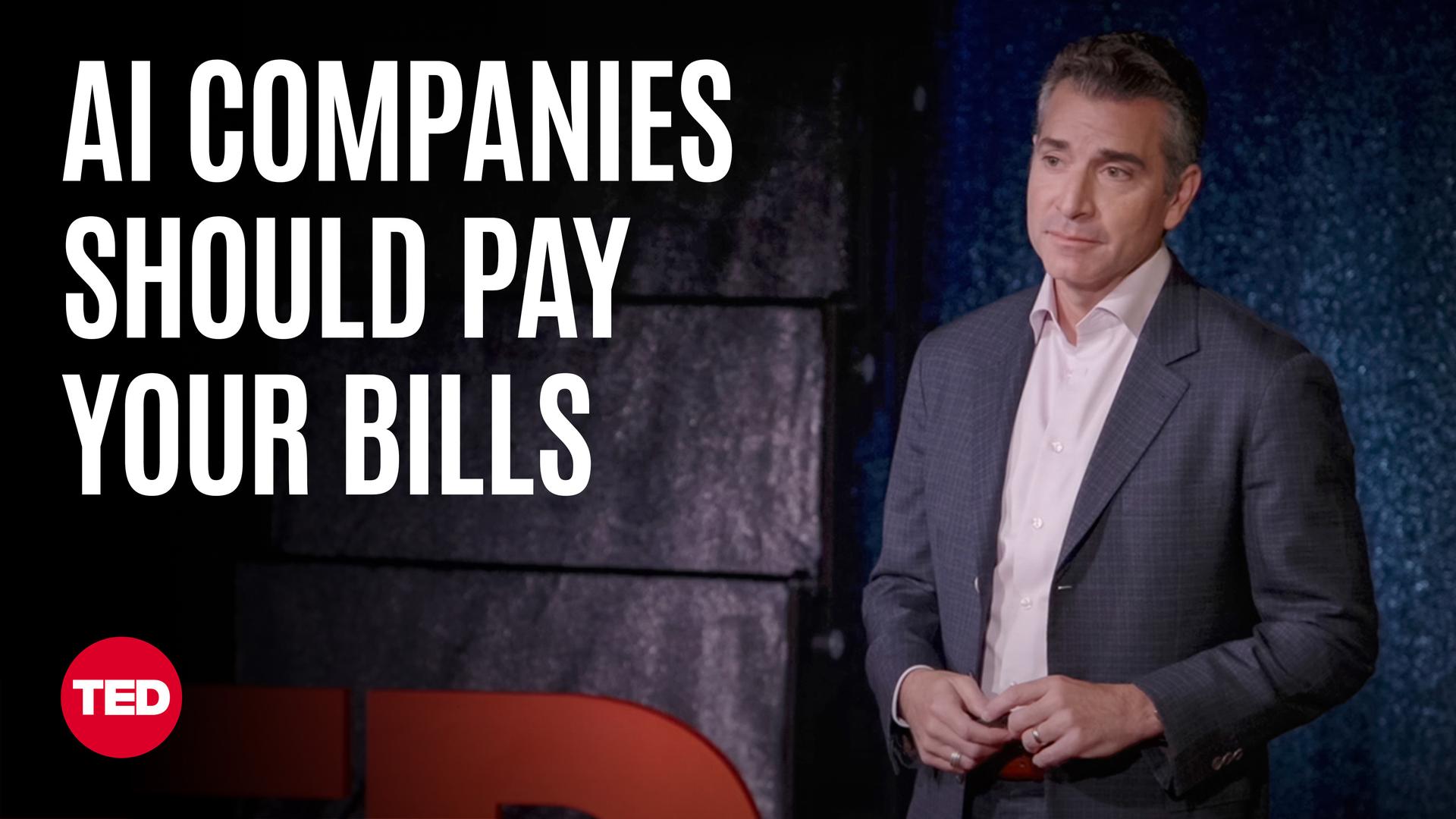
Climate expert Ari Matusiak spends his days working to rewire America's energy system, and he has an idea: instead of tech companies building new power plants for their AI data centers, they should invest in energy-efficient upgrades to your home. He lays out how this swap could lower your power bill, reduce the strain on the grid and help communities reclaim control over the thing tech companies need most: power. |
|
|
|
|