|
|
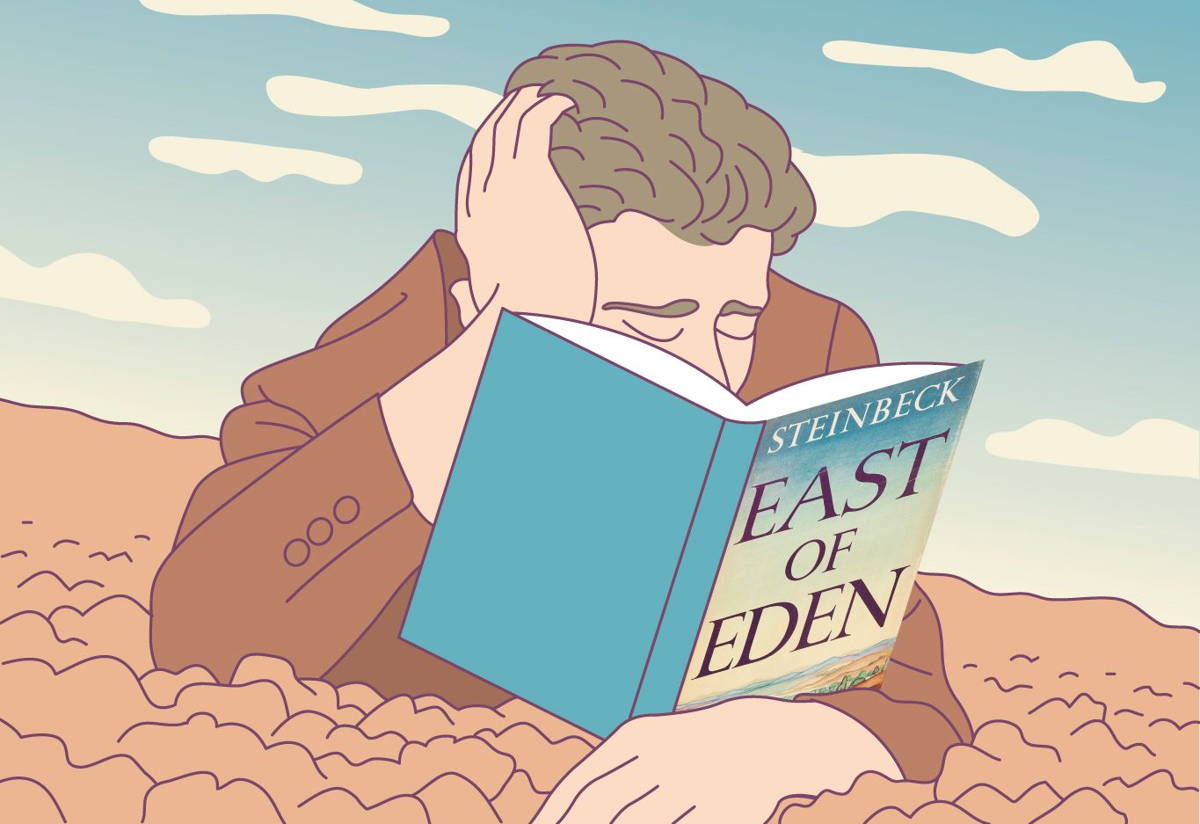
Illustration by Greg Clarke |
|
Of the sixteen novels that John Steinbeck published before his death, in 1968, “East of Eden” was his favorite. “I think everything else I have written has been, in a sense, practice for this,” he said of the multigenerational epic, which follows two families in the author’s agrarian home town of Salinas, California. Published in 1952, the book is narrated by a fictionalized version of Steinbeck, who recounts the travails of the wealthy but miserable Trasks and the hardscrabble but lively Hamiltons, from the late nineteenth century to the First World War. “East of Eden” is back on the cultural radar because of a buzzy new adaptation, on Netflix, that centers on Cathy Ames (played by Florence Pugh), an iron-willed woman who marries the hapless Adam Trask, gives birth to twins, and abandons them all as soon as she’s physically able, to join—and eventually run—a brothel. (When Adam asks her what he’s to do with two infants, she tells him to throw them down a well.) Suffice it to say, Cathy is the main reason to tune in. I hope it’s not too blasphemous to declare that I preferred the miniseries to the book, despite finding the adaptation rather uneven. The show’s creator, Zoe Kazan, makes Cathy sympathetic, her villainy a product of the gendered violence of her era—something Steinbeck didn’t bother to do, as he considered her a born sociopath. I also loved Kazan’s elaboration on the character of Lee, Adam’s cerebral servant, who ends up raising Adam’s children while grappling with his inability to truly belong anywhere as a Chinese American in the early-twentieth-century United States. But the novel is not without its advantages. Its chief edge over the series is its sense of historical sweep, conveyed via the book’s aging narrator, who seeks to impart how things used to be: how miraculous refrigerators initially felt, or how absurdly difficult it was to start the earliest automobiles. (My favorite chapter involves the narrator’s mother, Olive Hamilton, taking her first flight. She “did not believe” in aviation, he says—the Wright brothers had taken their inaugural ride less than two decades prior—but Olive gets on an airplane in spite of her terror, so as not to let her children down.) I didn’t always respond to the narrator’s tone of folksy garrulousness, but his love of his native soil—its seasons, its scents—gives the story a warmth that didn’t quite make the leap from page to screen. And, like all beloved multigenerational tales, the novel is wonderfully immersive—this one particularly so because it weaves in Steinbeck’s own family history. For those who enjoy this kind of sweeping story, I recommend Jeffrey Eugenides’s “Middlesex,” another multigenerational saga that blends imagination and biography. Or, if “East of Eden” ’s backdrop of historical events appealed to you, try Min Jin Lee’s nearly century-spanning “Pachinko,” which explores the effects on one family of Japan’s colonization of Korea. Or read Isabel Allende’s magical-realist “The House of the Spirits,” which weaves together references to Chile’s political turmoil with complicated familial dynamics. |
For more: read our critic Alexandra Schwartz on how the show unnecessarily softens Steinbeck’s most evil character. |
Briefly Noted |
Short reviews of recent releases. |
|
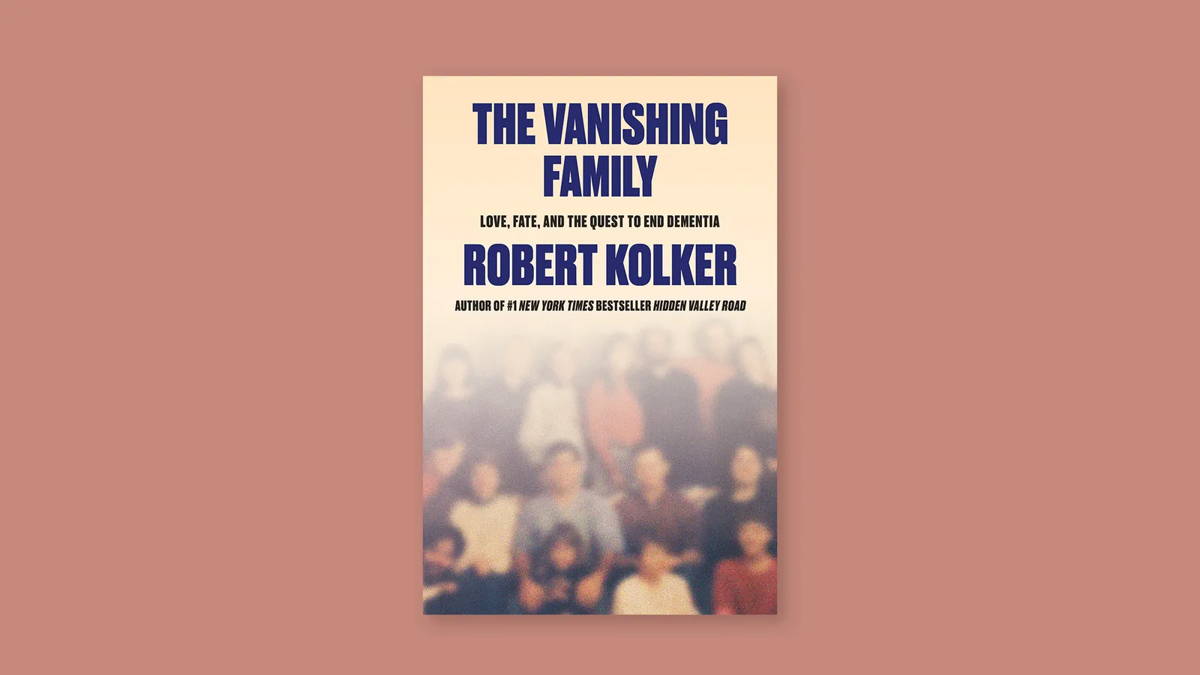
The Vanishing Family |
by Robert Kolker Unlike Alzheimer’s, frontotemporal dementia often begins in midlife. In this searching and suspenseful chronicle, nine adult siblings reckon with the disease’s imprint on their family—their mother began to show signs of illness in her late forties—and with the question of whether to find out, through genetic testing, if they are carriers. Kolker’s granular portrait is interwoven with enlightening snippets of scientific history, but the book’s most powerful strand is about two sisters, one of whom, Sue, begins caring for the other, Christy, in her early thirties, and does so for decades. By the end, Kolker writes, their lives were “completely enmeshed, like one life lived for each other.” |
|
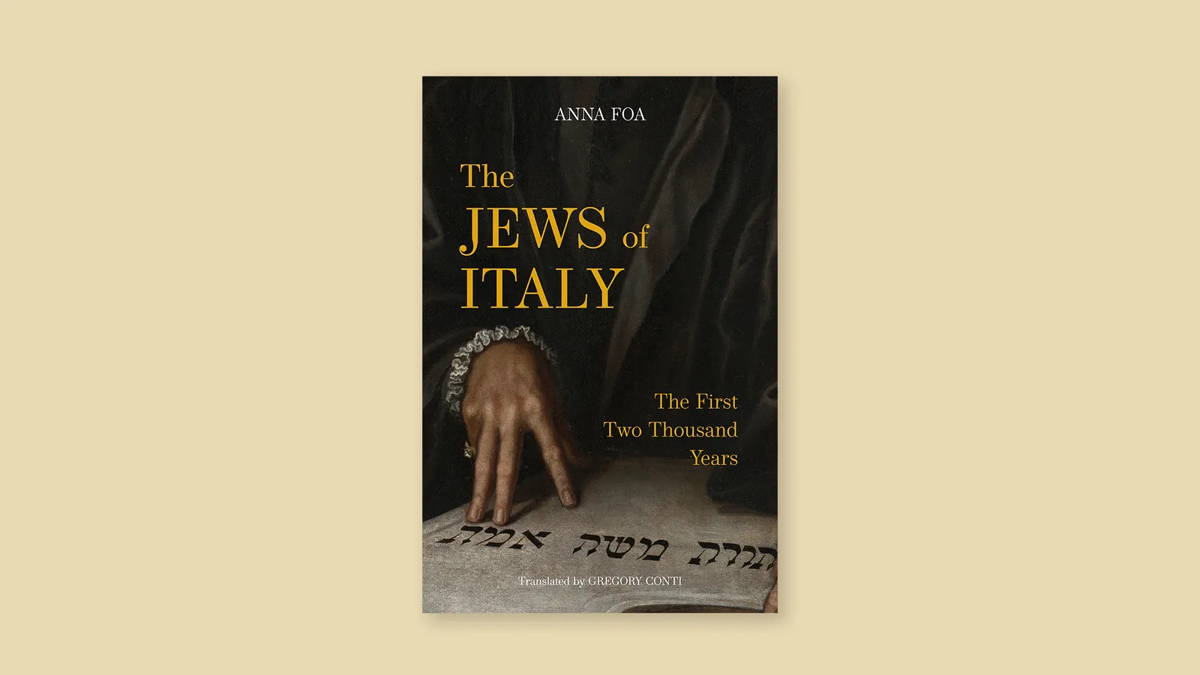
The Jews of Italy |
by Anna Foa, translated from the Italian by Gregory Conti This panoramic account, spanning two millennia, argues that, without Jews, Italy would not be Italy. Although Italian Jews shared many experiences with Jewish communities elsewhere in Europe, Foa shows, the Catholic Church’s outsized role in the region distinguished their history: papal doctrine protected Jews’ presence while consigning them to a subordinate position, and the same institution that prevented generalized expulsion also established ghettos. Foa examines the effects of this dual standing, from Christians’ enthusiasm for Kabbalah during the Renaissance and the vital part of Jews in the Risorgimento to the passing of racial laws under Fascism. |
|
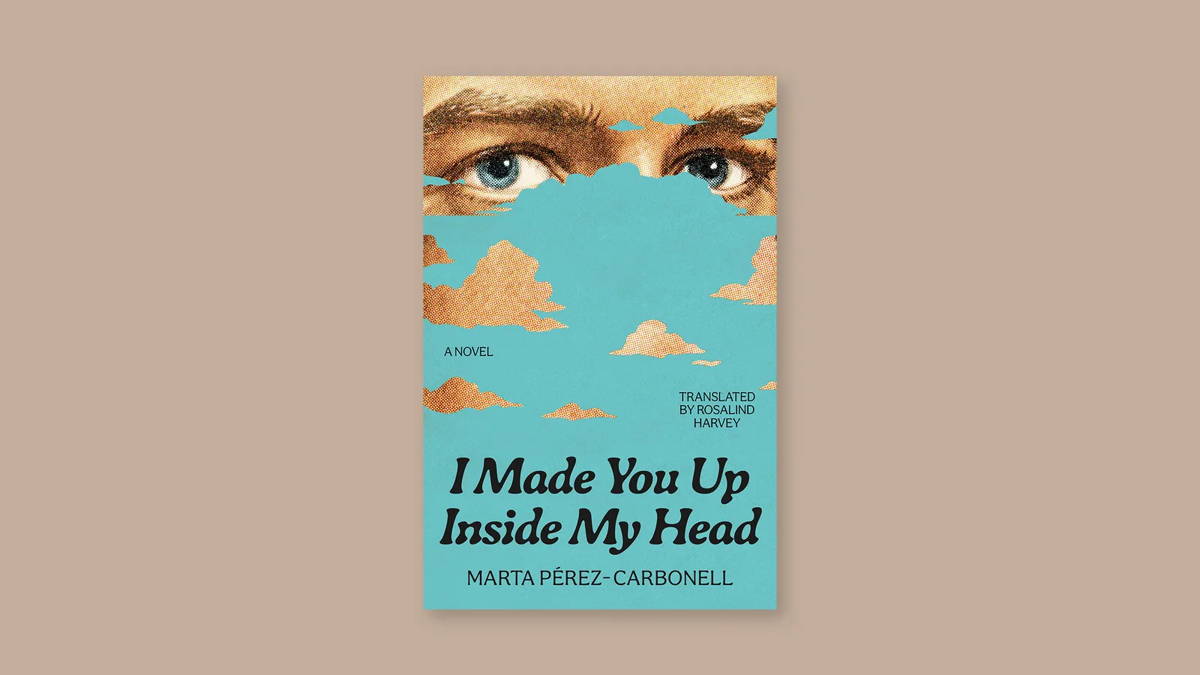
I Made You Up Inside My Head |
by Marta Pérez-Carbonell, translated from the Spanish by Rosalind Harvey “All the versions of a story coexist, like the colors on a Rubik’s cube,” proposes Alicia, the narrator of this début novel. “And it is hard to get them all to align.” One night, on a sleeper train from London to Edinburgh, Alicia listens to a stranger relate his side of a divisive incident in which he used the life of a friend as fodder for a best-selling novel. Alicia, in turn, decides to share a dark piece of her own past for the first time. “Confessions, outbursts, and revelations” abound as this whimsical narrative contemplates what it means to bear witness to another person, and how doing so can alter us permanently. |
|
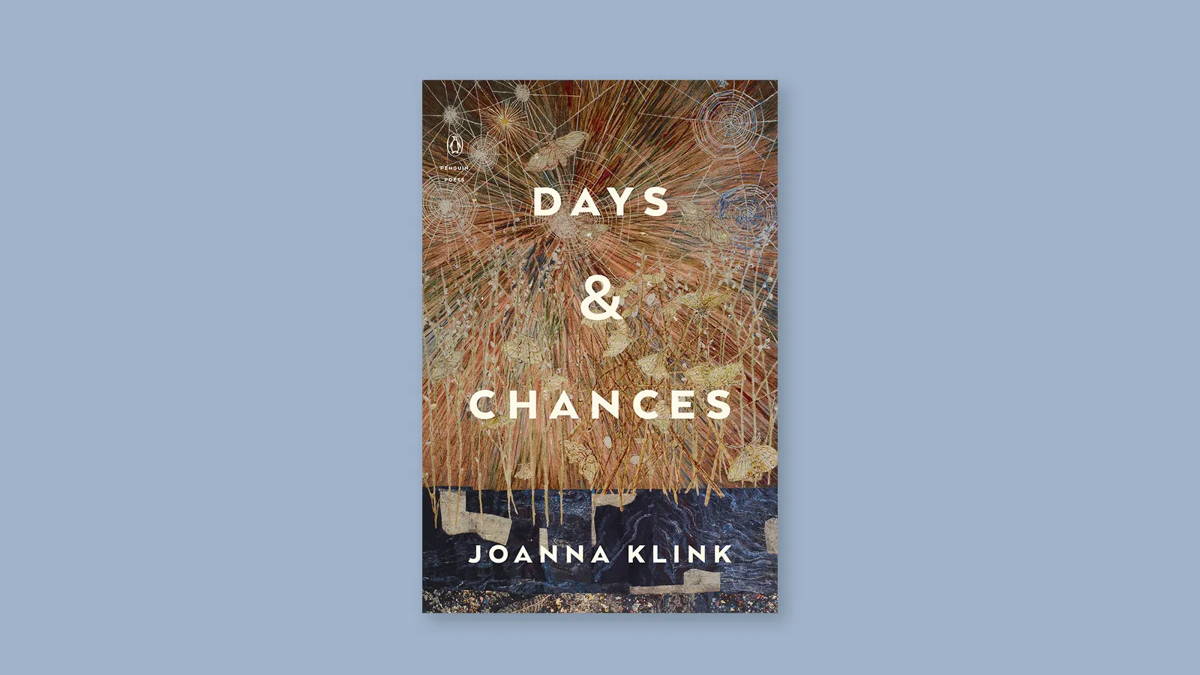
Days & Chances |
by Joanna Klink The carefully crafted poems in this collection explore the porousness of the boundary between inner life and external phenomena, articulating how an individual can seem grounded in space and time as a discrete being yet also be at one with the world. “Some days I am so filled with myself / I can see nothing,” one poem begins, but “Some days I’m nothing more than hearsay, / a story read back to me that makes no sense,” another muses. Klink is attuned to the ways that both nature and social environments can be suffused with memory, longing, and foreboding. Her curiosity and tenderness toward other entities, whether human, animal, or plant, is sharpened by a feeling of terminal separateness from them. |
On Our Radar |
Coming soon:
|
More from The New Yorker |
|
|
|
P.S. Will Can Xue win the Nobel Prize in literature this year? |
 |
Get more New Yorker in your inbox. |
Was this forwarded to you? Sign up to get What We're Reading. Or explore more newsletters on books, science, food, politics, and more. |