A gentle rundown on food, entertaining, hotels and the way we live – from the desks of Monocle’s editors and bureaux chiefs.
|
Sunday 30/8/26
|

|
|
London
Paris
Zürich
Milan
Bangkok
Tokyo
Toronto
|
|
|
|

Fruitful endeavours
This week our editors and correspondents test out a new purveyor of Turkish speciality coffee in London and take a cultural tour of Aix-en-Provence with hotelier Billy Skelli-Cohen. Plus: a yuzu-based refresher, a suitably rustic Tuscan escape and the humble Polish treat that puts late-summer blueberries to good use. Ready for takeoff is our editorial director, Tyler Brûlé.
|
|
Scanning the skies for inspiration? Don’t let Japanese mags fly under your radar
By Tyler Brûlé
|

|
Do you have a geographical fix on your happy place? Is it the end of the jetty at your weekend house in northern Maine? Or a quiet stretch of beach north of Comporta? Or perhaps it’s the corner table at the café in your Madrid neighbourhood? I have a few happy places but one of my favourites is about 50 minutes’ flying time north of Nome, Alaska. As most Japan-to-Europe flights fly over the North Pole these days, there’s a certain point where satellite footprints cut out, in-flight wi-fi disconnects and you’re instantly cut off from colleagues, newsfeeds, cloud services and whatever counts for 21st-century humanity. Bliss on a Boeing.
On Thursday, I boarded the LX 161 service from Tokyo Narita to Zürich with my colleague Noriko. For the first 40 minutes after take off I cleared the emails that had landed overnight, then settled into bed mode for a few hours and woke up just as we were crossing the international date line. I typed out a few more emails, read the news from various sources and went back to reviewing some material for upcoming shoots and future issues of Monocle.
As Alaska passed by below, I started to wrap up my correspondence and within the hour the signal dropped – right on cue. I put my phone and laptop to one side, rustled around the overhead locker, plumped up the pillows, asked for a glass of chasselas and started to dig into the pile of mags that I’d bought in Tokyo over the past few days. When a big part of your job is running a company that produces more than 25 magazines and books a year, there’s a fine line between consuming periodicals for professional intelligence versus pure pleasure.
Sometimes I open a favourite magazine – I started with a copy of Japanese lifestyle title Premium on this occasion – and get lost in its pages, simply enjoying the pleasure of good photography, cleverly commissioned illustrations and smart layouts. But at other times it only takes a few flips before I'm wondering how we might get a meeting with the advertiser in the opening spread or if we're connected to the photographer who snapped the food story in Kyoto.
For the next four hours, I went through copies of Brutus, Popeye, Uomo and assorted special editions before moving onto some European and North American titles, including The Atlantic, The New Yorker, WSJ, Les Echos’ weekend supplement and tattered copies of The New York Times and the Financial Times from earlier in the week. Somewhere along the way I dozed off. When I woke up, I went back to the Japanese titles for a closer study. What do the Japanese do better than publishers in Europe or the US? Here’s my take:
1.
Japanese print quality is a cut far, far above. Photos are sharp, rich and dense. Illustrations have texture and life. Words stand out from the page.
2.
There is a complexity in page layouts and stories we no longer see in most corners of the world. Features go deep and are detailed. This demands research, layers of fact-checking and, above all, planning.
3.
Japanese mags put the “j” in jealousy. I get very envious of how the smart editors at a publisher such as Magazine House are able to layer a story that ranges in scale, with micro images, break-out fact boxes, witty accompanying illos and then expansive images.
4.
Western titles are slaves to templates. Make that Western media in general. I like the fact that I can deliver you this column in digital newsletter format on a Sunday but it can be a straitjacket that inhibits creativity, designed for efficiency rather than complex layouts. If you care about these things, spend time in the pages of Brutus to see how they tackle a single subject and constantly surprise.
5.
Japan shows us Western periodical publishers how to not only stay relevant in a digital world but also how to push ourselves. Ninety-six hours in Tokyo this week was a creative kick in the ass.
What does all of this mean for you, dear reader? If you’re a subscriber or newsstand buyer of our monthly edition, it means even better things are coming. As Monocle approaches its 20th anniversary (cards, bouquets and rare works of art can be sent our way on 14 February 2027), you’ll notice some fresh changes – not only on page but on air and on-screen. If you’re not a paid-up subscriber to the print edition (and its digital sibling), time to jump aboard. More from Lisbon next weekend.
Enjoying life in ‘The Faster Lane’? Click here to browse all of Tyler’s past columns.
|
|
HOUSE NEWS: TOKYO SUMMER PARTY
Good company, good intel and the next big thing from Tokyo
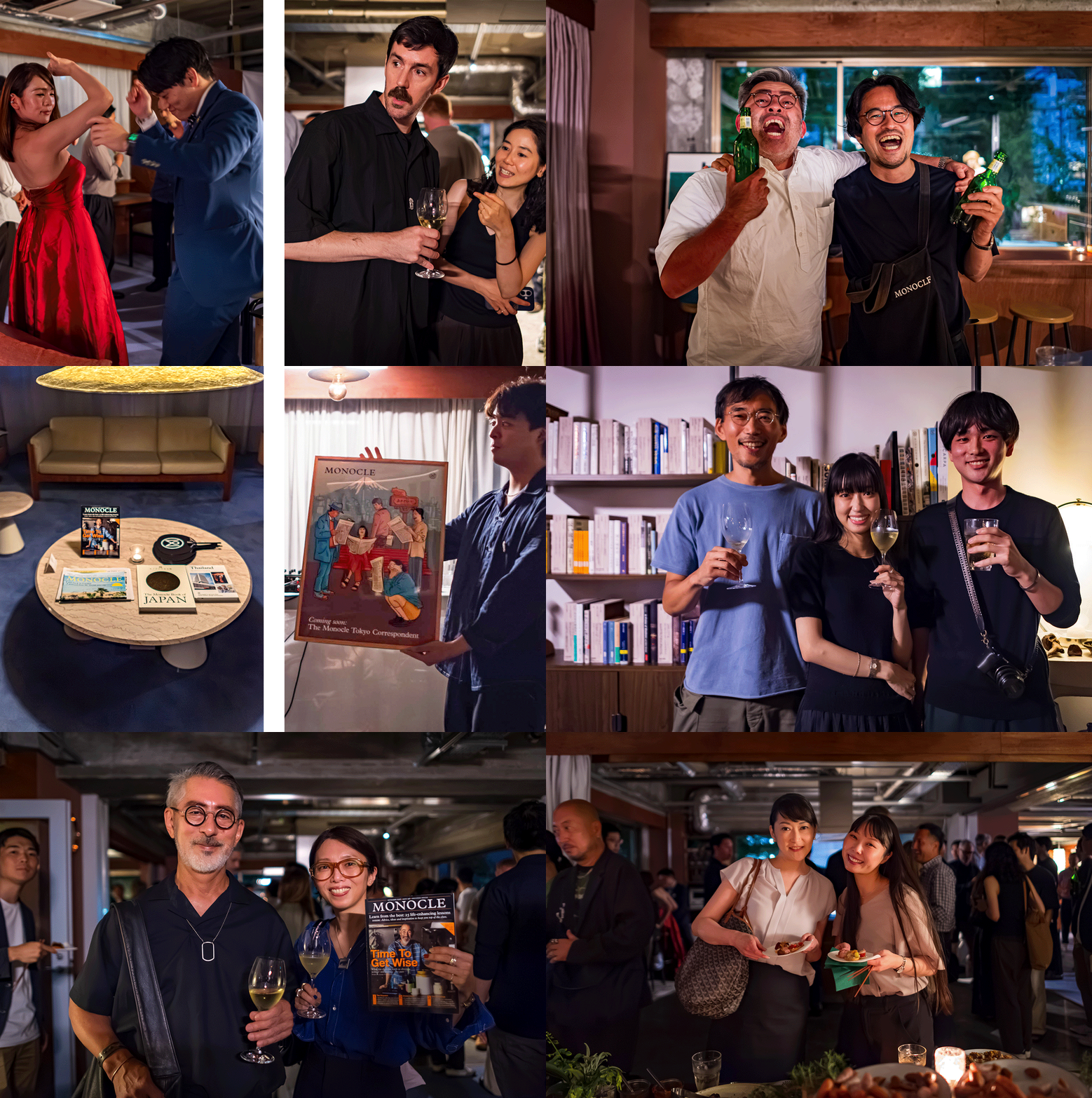
The Monocle team wrapped up the summer in good company at Slo Nihonbashi (writes Kai Fraile). Friends from Tokyo and beyond gathered amid refreshing drinks and genki tunes for an evening of conversation about good retail, local business and what keeps Japan moving.
There was also news to raise a glass to. Monocle’s The Tokyo Correspondent – our new dispatch on the people, places and opportunities worth knowing across the capital – is coming soon. Expect sharp observations on Japanese culture, fresh ideas and the people who shape the city.
More from Tokyo to come.
|
|
new opening: CUP OF JOY, LONDON
Turkish delight
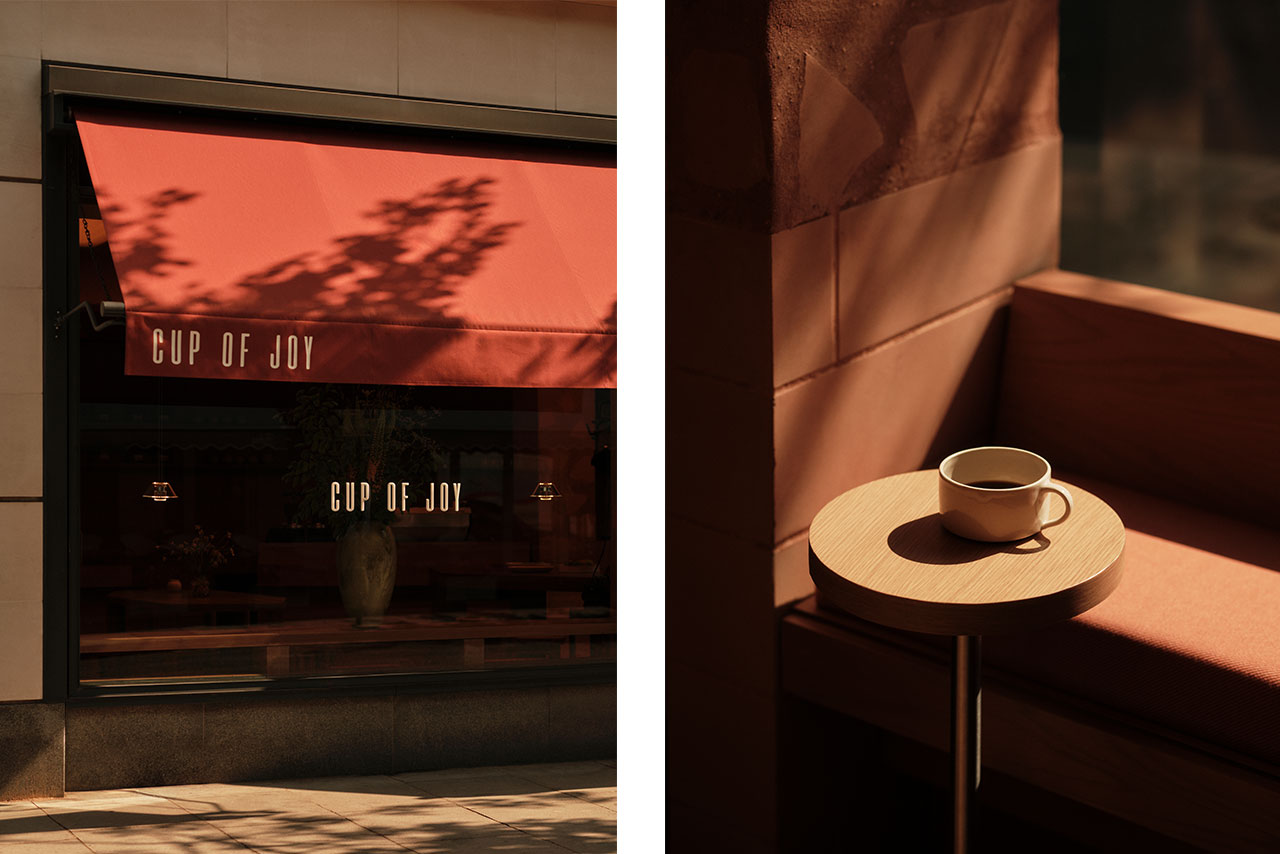
In Monocle’s June issue, we spilled the beans on the global coffee market (writes Claudia Jacob). Now, a new resident in London’s Marylebone neighbourhood is showing us that something has been brewing in Turkey. Cup of Joy was launched in Istanbul in 2013. After seven more urban outposts, Turkey’s speciality-coffee pioneer has expanded its footprint to London.
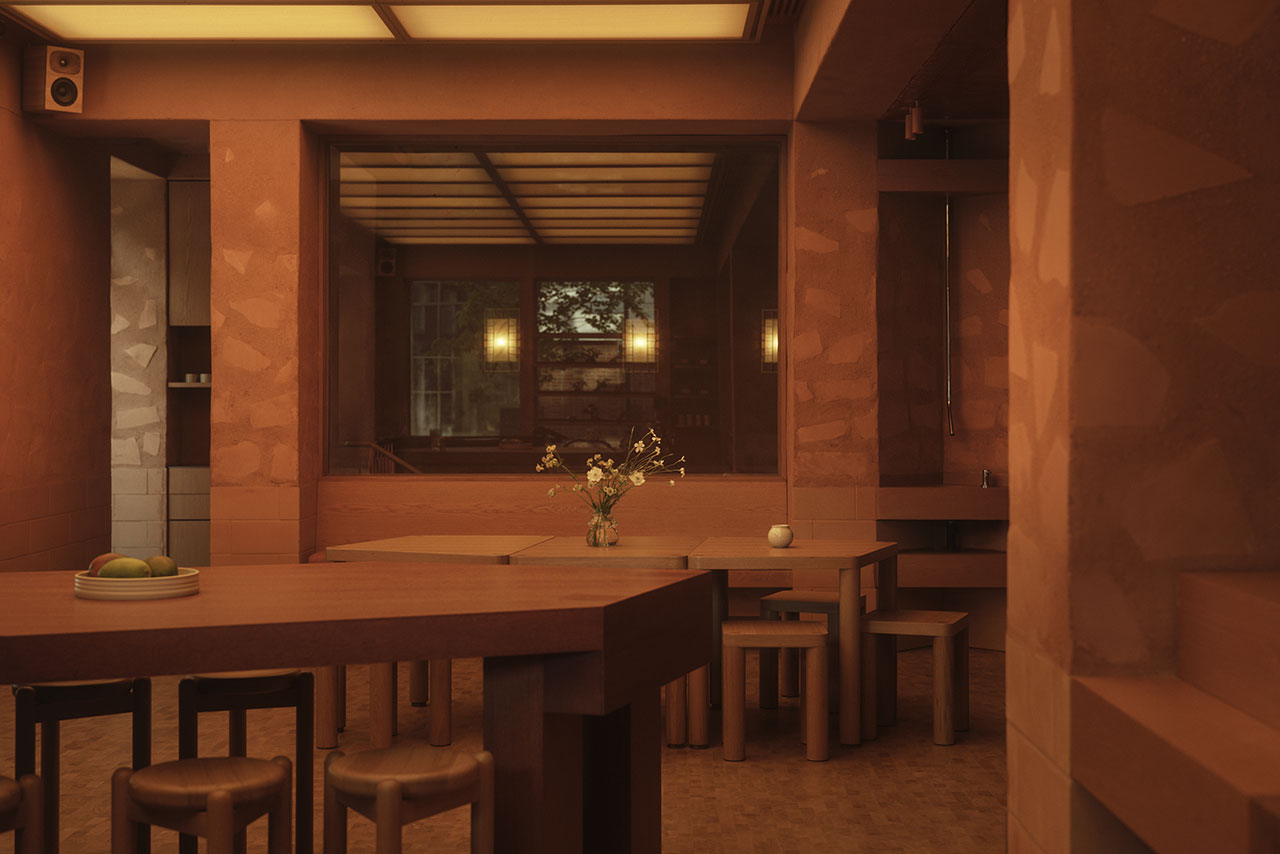
The shop’s terracotta tones and oak-panelled interiors are the work of London-based Ebba Architects’s Benni Allan, who made frequent research trips to Istanbul during the design process.
The result is decidedly polished, while the menu leans into the brand’s Bosphorus origins. The Turkish eggs with sourdough flatbread and Aleppo-pepper butter shouldn’t be missed but the real delights come in the form of raw cacao bars filled with coconut, pistachios or cashews.
You can read Monocle’s round-up of 25 of the best coffee shops around the world here.
|
|
SUNDAY ROAST: Billy Skelli-Cohen
Golden hour
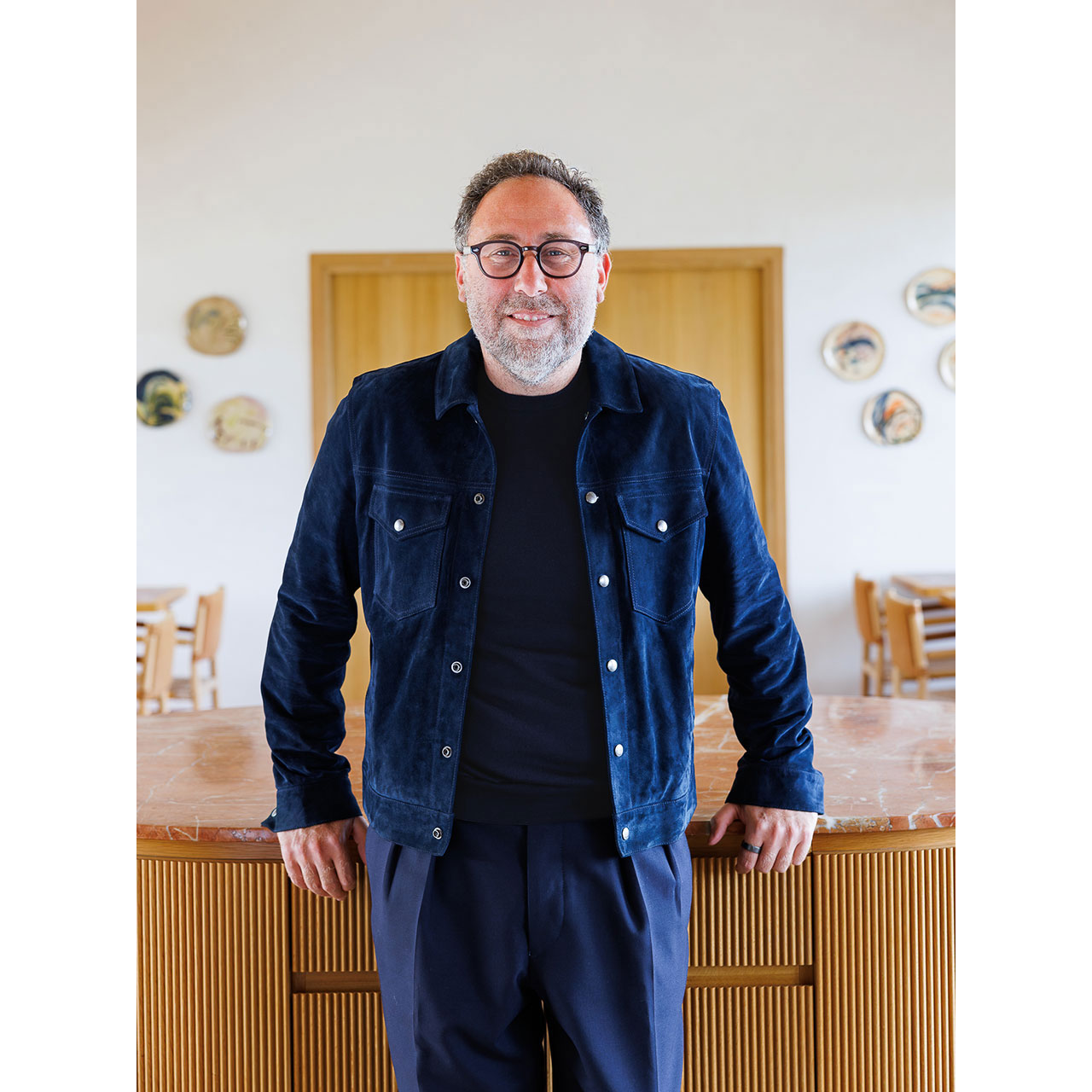
Since becoming the CEO of the Beaumier group in 2024, hotelier Billy Skelli-Cohen has overseen the opening of Grand Hotel Belvedere in Switzerland and the new suite at Les Roches Rouges in Saint-Raphaël, France (writes Lucrezia Motta). Here, Skelli-Cohen shares his beach essentials, a recipe for a peach and mozzarella salad and exhibitions in his Provençal hometown.
|
Where do we find you this weekend?
At home near Aix-en-Provence. I have the privilege of spending most of the week at our hotels or exploring new markets in gorgeous destinations but coming home to my family in the beautiful Provençal countryside is the ultimate luxury.
Talk us through a perfect summer’s day.
I love a day that transitions seamlessly into night. It starts with something active in the morning – a hike or mountain-bike ride with the dog or maybe some golf or tennis. Then a long, late lunch with friends and family in the garden, where the music and atmosphere naturally follow the rhythm of the day into the evening.
A weekend art or culture must?
I can’t wait to see the Henri de Toulouse-Lautrec exhibition, Créateur d’icônes, at the Caumont-Centre d’Art in Aix.
What are you reading – magazines or books?
Like most people, I probably read too much news but I like staying informed about current events and the markets. I’m looking forward to reading 1929, a book from Andrew Ross Sorkin, whose work I really enjoy.
What destination means summer to you, and why?
We have hotels on the Mediterranean, in the French countryside and across the French and Swiss Alps. I appreciate how these different backdrops can each create incredible summer experiences.
What’s the plan for lunch – any favourite warm-weather recipes?
A simple peach-and-mozzarella salad with basil and olive oil.
Three beach bag essentials?
Sunscreen – we just started a partnership with a great brand called Rudolph Care. Goggles, because it’s always fun to see what’s at the bottom of the sea, and a ball and rackets to play with my teenage boys.
|
|
RECIPE: Aya Nishimura
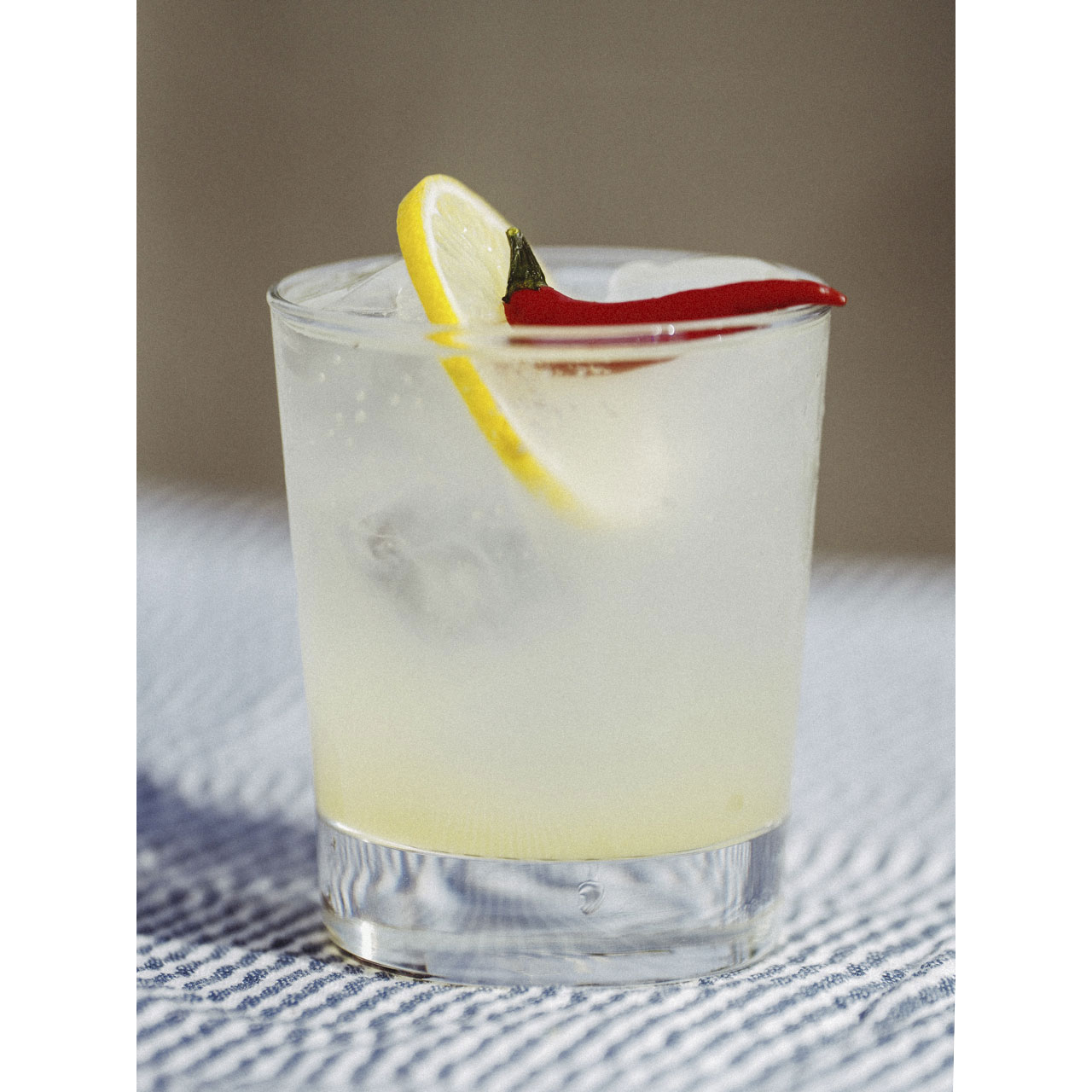
Yuzu and green-chilli shrub
This vinegar-based drink uses Japanese yuzu and chilli to create a tangy refreshment. Monocle’s Japanese recipe writer recommends making the base five days in advance to allow the taste to round out.
|
Ingredients
For the shrub base
180ml yuzu juice (bottled is fine)
180g caster sugar
180ml white-wine vinegar
2 whole green chillies (serrano or jalapeño), sliced into rounds (deseed for less heat)
1 organic lemon, zested
To serve
Sparkling water
Ice cubes
Yuzu or lemon slice
Method
1.
Pour the yuzu juice and sugar in a sterilised jar and shake until the sugar fully dissolves.
2.
Add the vinegar, chillies and lemon zest to the jar, then seal and refrigerate. Shake once a day for five days.
3.
Strain through a sieve or kitchen paper to remove the zest and chillies. You can keep the base refrigerated for about a month.
4.
To serve, pour 30ml of the shrub base into a glass filled with ice, add 90ml of soda water (or sparkling water) and garnish with a yuzu or lemon slice.
In Monocle’s annual summer newspaper, ‘Med, Mountains & More’, we sit down with Albanian prime minister Edi Rama, invite you to settle in for a drama-packed beach read by author Edward Chisholm and test your knowledge with a selection of puzzles.
|
|
WEEKEND PLANS? La Darbia, Chianti, Italy
Sweet spot
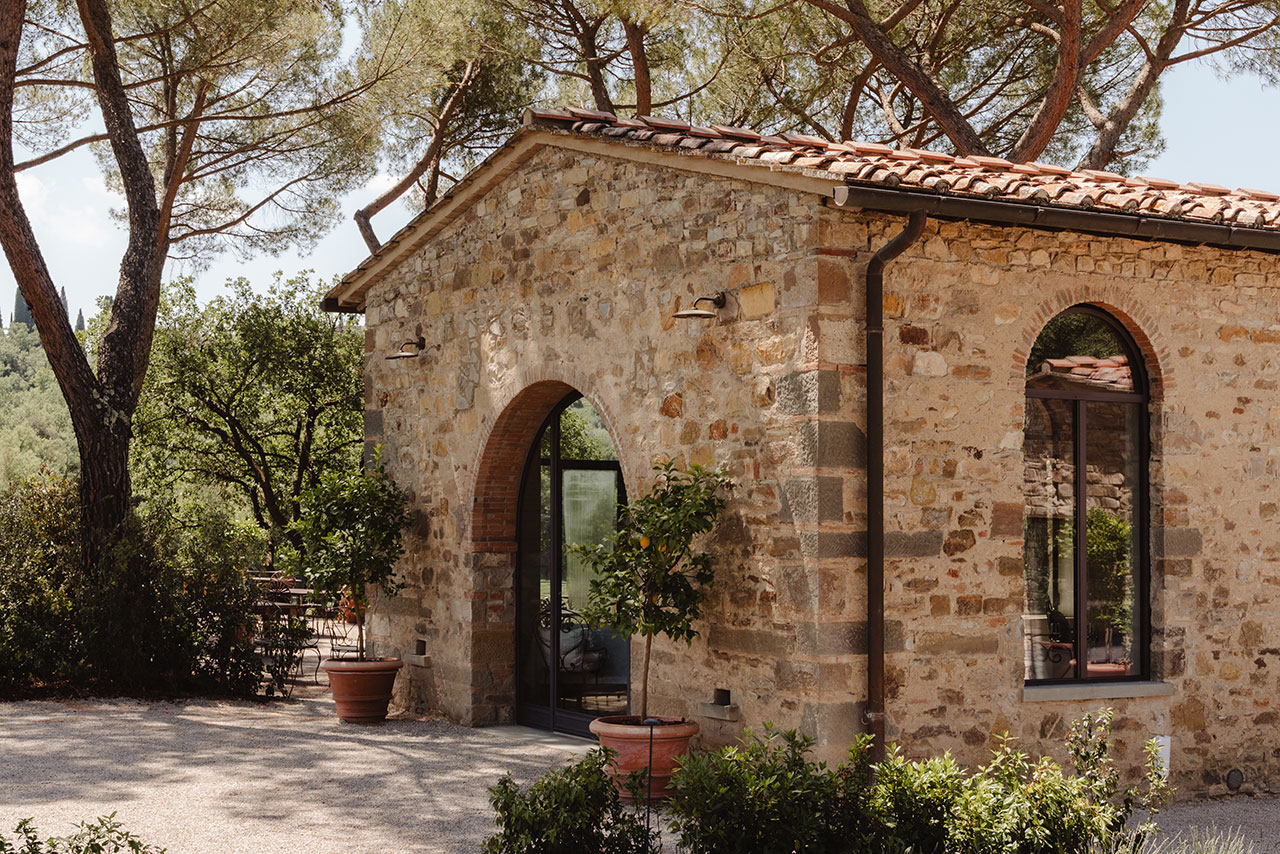
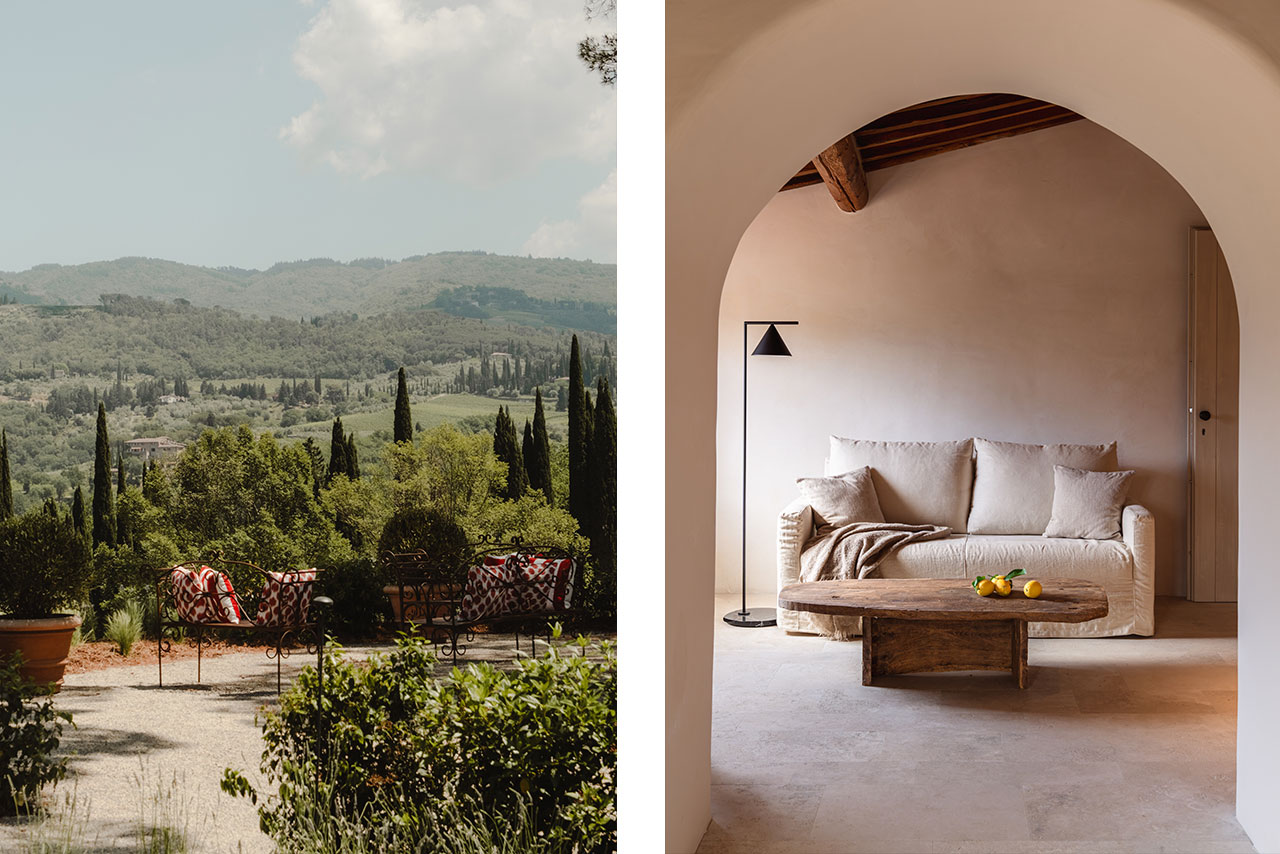
Sometimes it’s not a bad thing to fall for the Tuscan clichés: cypress trees, sun-bleached stone farmhouses and sloping vineyards (writes Alexandra Aldea). Less than an hour’s drive south of Florence, La Darbia is set in an 11th-century hamlet. In restoring it, architect brothers Gian Carlo and Matteo Primatesta kept the materials strictly regional: pietra serena, the “stone of the Renaissance”, a firm favourite of Michelangelo; terracotta from Impruneta, the town that made the tiles adorning Florence’s cathedral dome; and travertine from centuries-old quarries in Rapolano.
|
|
“We weren’t looking for a famous destination for its own sake,” says Gian Carlo, “but for somewhere with a strong sense of place and a genuine identity.” The restaurant, led by chefs Matteo Monfrinotti and Sebastiano Pagliaro, honours the estate’s agricultural rhythms. Its olive oil comes from the on-site grove and 40 beehives produce lavender honey. On the menu, lightly aged Chianina beef tartare with roasted Carmagnola red pepper, pepper Béarnaise and shallot jus speaks to the region’s pastoral soul. And if the name of the territory is anything to go by, thirst won’t be an issue.
chianti.ladarbia.com
|
|
local flavours: ‘Jagodzianka’, Poland
Bun appétit
Jagodzianka, once considered a relic of the communist era, is now Poland’s trendiest dessert (writes Mateusz Mazzini). Its origins date to the 1700s, when the unpretentious oval bun filled with blueberry jam and topped with vanilla crumble was invented in the heavily forested areas of eastern Poland. Its history mirrors that of the nation’s economy: its availability was limited under communism and following the country’s financial shock in the 1990s, the jagodzianka became a reflection of material hardship – foraged blueberries were vital for a population experiencing mass unemployment.
| | | | |