
| Forwarded this email? Subscribe for more |



 |
| By The Free Press |
It’s Wednesday, August 26. This is The Front Page, your daily window into the world of The Free Press—and our take on the world at large. Today: What college freshmen need to hear. Aaron MacLean on Trump’s “D-Day” sanctions. Join The Free Press Book Club. And much more.
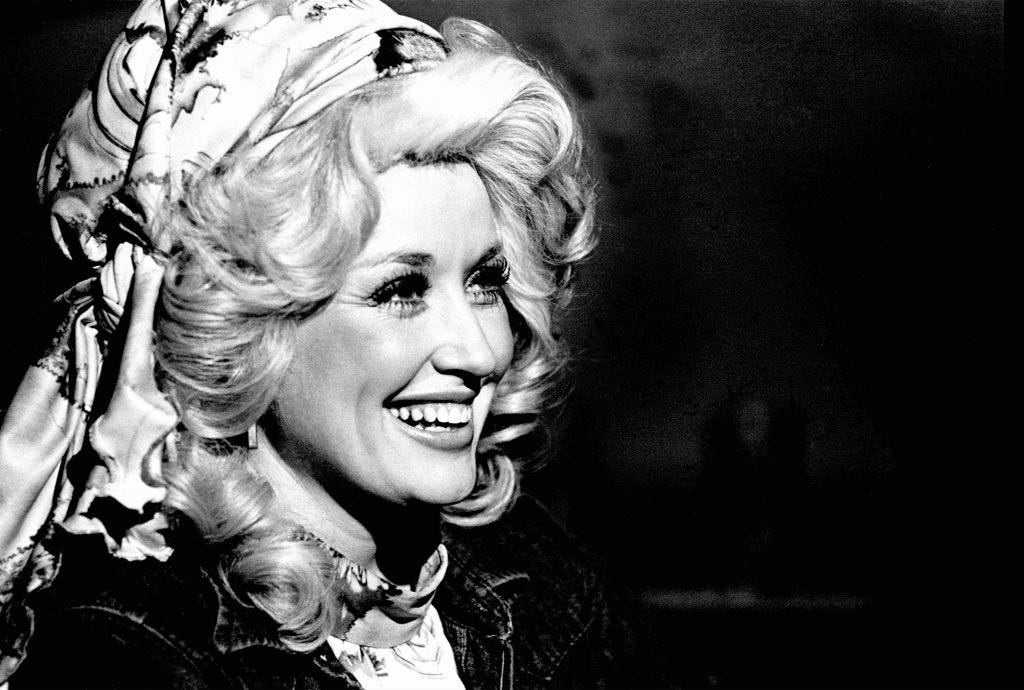
But first: Dolly Parton, RIP.
How does someone do all that? How did she go from a one-room cabin on Tennessee’s Little Pigeon River to the commanding heights of American celebrity? How did the daughter of an illiterate sharecropper become one of the world’s foremost lyricists, the woman who wrote more than 3,000 songs, including both “Jolene” and “I Will Always Love You” in the space of a single day?
The short answer is that Dolly Parton was a genius, a singular figure, someone who could do things that no one else could. But it’s so much more than that. She died yesterday at the age of 80 but had long ago achieved a kind of immortality, both through her artistry and her philanthropic efforts. She was one of the last universally beloved figures in our scattered, splintered, angry age.
Sometimes we look around at this dizzying country of ours and wonder what binds it all together. We should recognize that Dolly Parton was part of the glue.
So today, we celebrate this great American. First, Caitlin Flanagan—a lifelong fan—takes a heartfelt look at Parton, who headlined the first concert she ever went to as a girl growing up in the Bay Area. This was before Parton became a movie star, before Dollywood, before she amassed the great fortune she was so eager to share with others. But for Caitlin, it was love at first sight.
Next, Hannah Long explores Parton’s inextricable ties to the American South, which is key to understanding her. “To Appalachians like me, this is something like the passing of Queen Elizabeth,” Long writes. But how did Parton manage to be “equally beloved by Baptist church ladies and buxom drag queens” while remaining so purely herself, and so fixed to a particular place while becoming a worldwide phenomenon?
Again, how does anyone do that? Read these two pieces for answers to that question.
—Will Rahn
 |
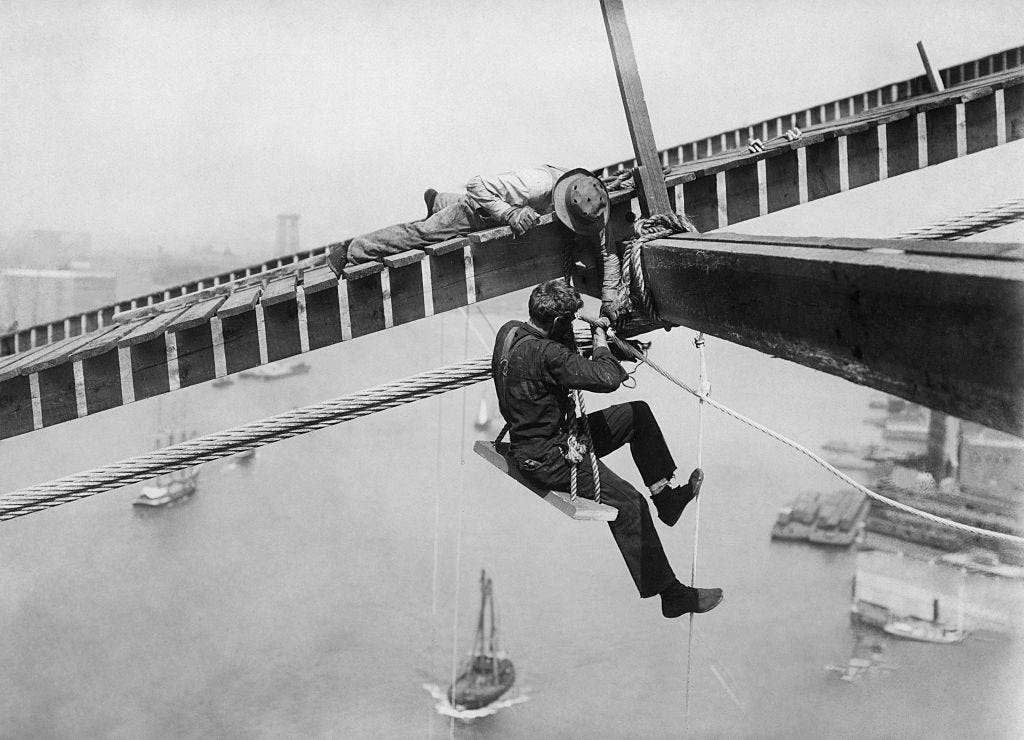
What College Is Really For | |||||
 | |||||
|
The Tantric War | |||||
 | |||||
|
|
Join The Free Press Forum Book Club
Fewer Americans are reading today than ever before, and even fewer are reading together. We want to change that. That’s why we’ve launched The Free Press Forum Book Club. For our first installment, writers, editors, and subscribers will all read and discuss East of Eden by John Steinbeck. Peter Savodnik will be part of the crew, and he wants you to join him over at The Free Press Forum to dive into what might very well be the Great American Novel.
Read Peter on what makes East of Eden great, and how the book club works:
And click here to join the book club today:
|
| ADVERTISEMENT | ||