| | Diplomacy to end two conflicts in the Middle East faces setbacks, Apple eyes Chinese memory chips, a͏ ͏ ͏ ͏ ͏ ͏ |
| |  | Flagship |  |
| |
|
The World Today | 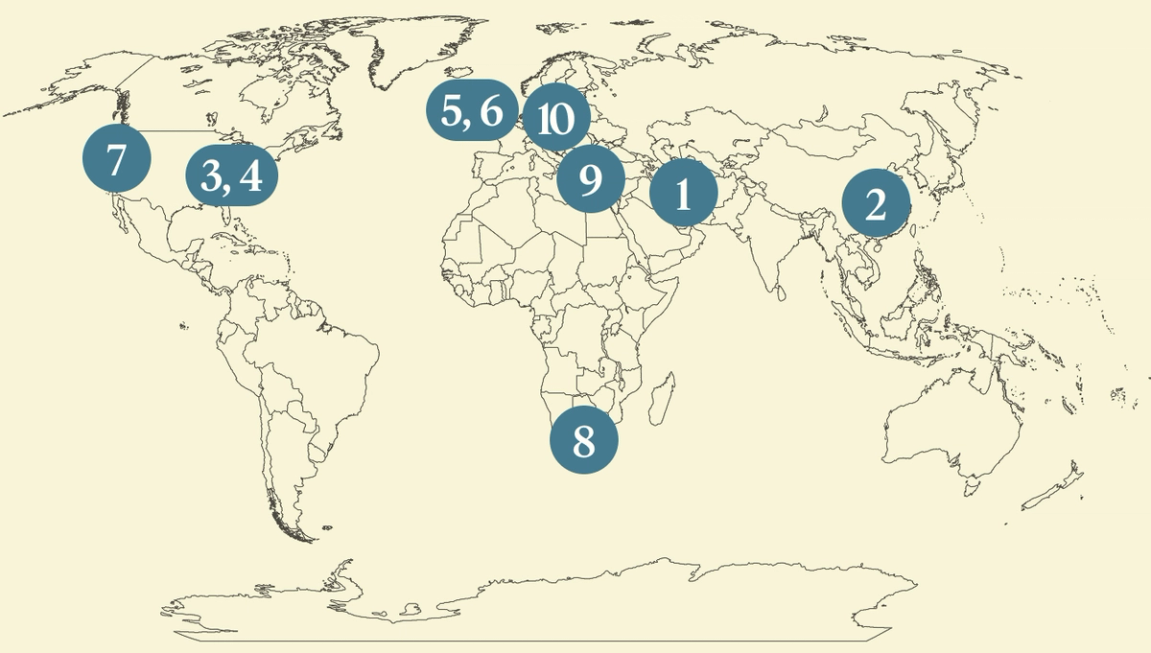 - Mideast diplomacy setbacks
- Apple tests CXMT chips
- Blanche confirmed as AG
- Unpacking US jobs report
- Open-weight AI catching up
- Importing Chinese robots
- Tech philanthropy windfall
- S. Africa crypto rules backlash
- Dangers of ‘touristification’
- A glacial music performance
 Why social media can feel ‘claustrophobic and unsatisfying,’ and a look at the week ahead. |
|
Trump faces Israel, Iran setbacks |
 European Union/Copernicus Sentinel-2/Handout via Reuters European Union/Copernicus Sentinel-2/Handout via ReutersUS President Donald Trump’s efforts to quiet two Middle Eastern conflicts faced setbacks over the weekend as both Israel and Iran raised new obstacles to proposed deals. Israel publicly rejected Trump’s 15-point Gaza plan Sunday, arguing it would not withdraw from the enclave before Hamas disarms. Iran said that a deal with Oman to fully open the Strait of Hormuz was close Sunday, but it complicated the path to agreement by issuing a fresh list of conditions, including an end to Washington’s blockade and compensation for war damages. Houthi attacks on Saudi oil facilities on Sunday threatened further escalation. “The Iranians fully believe Trump wants out,” a Eurasia Group expert told The Wall Street Journal, “which is why they are playing hardball.” |
|
Apple tests Chinese memory chips |
 Maxim Shemetov/Reuters Maxim Shemetov/ReutersApple is testing memory chips from China’s CXMT across its product lines, including iPhones and MacBooks, The Wall Street Journal reported, as global tech reckons with an AI-induced memory shortage. The firm is reportedly seeking the White House’s approval to use CXMT chips in products sold in China, two months after CEO Tim Cook raised prices due to chip costs. The politics could prove insurmountable: A bipartisan group of US senators wrote in July to discourage Apple from pursuing Chinese chips, as Washington increased curbs on Beijing’s tech ahead of next month’s summit. One of the most valuable mainland-listed companies following its July IPO, CXMT remains “two to three generations” behind firms like SK Hynix, Samsung, and Micron, an analyst told CNBC. |
|
Blanche confirmed as attorney general |
 Jonathan Ernst/Reuters Jonathan Ernst/ReutersThe US Senate confirmed Todd Blanche as attorney general Saturday, granting Donald Trump an ally to lead the Justice Department as the president seeks greater control over the federal government. Blanche, Trump’s former personal attorney, has served as acting attorney general since April, but senators had questioned whether his ties to Trump could affect investigations involving the president and his allies. But the weekend also showed limits to Trump’s influence: While the Senate approved a stopgap spending bill to avert a pre-midterm elections government shutdown, it left for summer recess without advancing Trump’s proof-of-citizenship voter bill, his top legislative priority. Now Trump is renewing efforts to remove a Federal Reserve governor, a yearlong fight testing the boundaries of presidential power. |
|
Unpacking what the jobs report means |
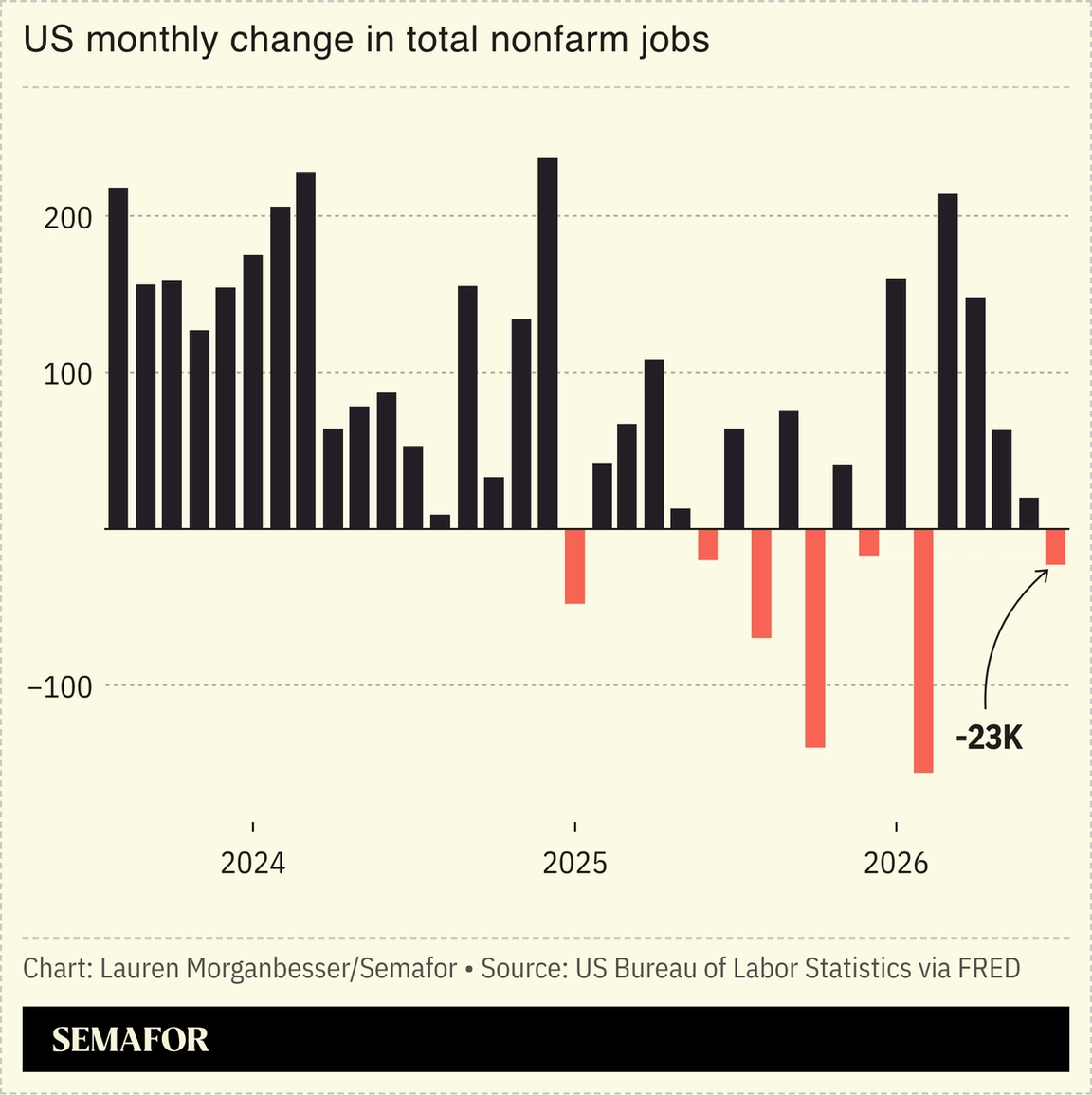 The US’ weaker-than-expected jobs report on Friday may not be cause for panic yet, analysts suggested. The report showed the US lost 23,000 jobs instead of adding the 83,000 jobs economists had predicted. But experts pointed to the unemployment rate, which has fallen from 4.4% to 4.1% this year, suggesting a stable labor market. As immigration slows and Americans retire, the workforce is shrinking, meaning fewer jobs may be needed to keep unemployment low. Still, the economic picture could pose a political problem for Republicans in the midterms: Consumer confidence and wage growth remain low, people are leaving the labor force, and the personal savings rate has fallen. |
|
Open-weight AI models catching up |
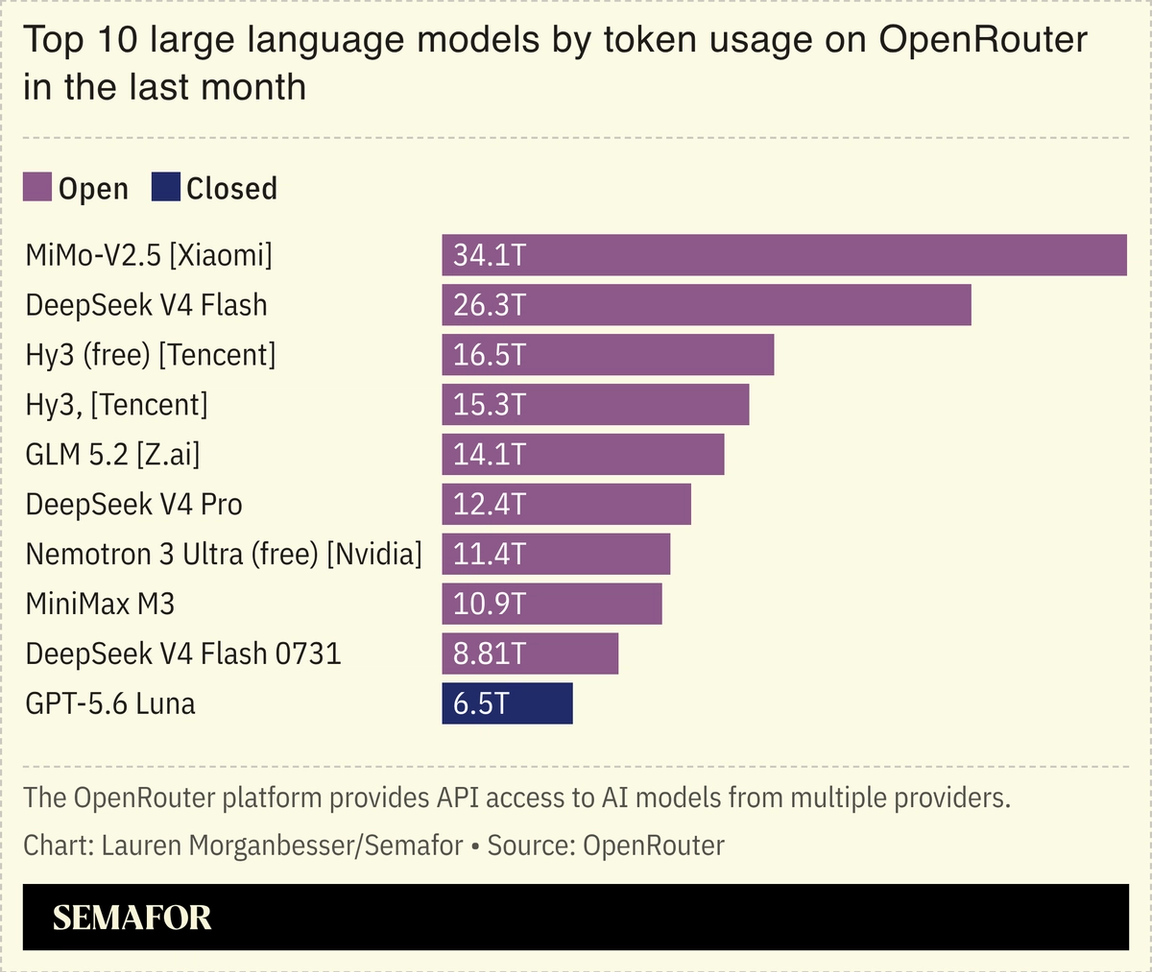 The leading open-weight AI models are closing the gap on the frontier in cyber capabilities, an analysis found. The UK’s AI Safety Institute found the most capable open models were four to seven months behind the best closed ones. Open-weight has advantages: Models can be modified for users’ needs and allow for easier collaboration. But their guardrails can also be removed, making AI’s powerful cyber and biological capabilities more accessible to bad actors. Boko Haram militants in Nigeria are using (mostly closed) AI to plan attacks and gain tactical advantages, The New York Times reported. Open models “potentially present a higher risk,” Anthropic’s CEO wrote recently, although he suggested that all powerful models, not just open ones, should be tested for safety. |
|
UK, US differ on importing robots |
 Go Nakamura/Reuters Go Nakamura/ReutersBritain and the US have taken opposing paths on service robots. Washington last month imposed bans on new foreign-made robots, including humanoid and four-legged machines, to reduce the security risks of Chinese-manufactured technology. Meanwhile, Britain has become the largest European market for Hong Kong-listed Geek+, which builds footstool-shaped machines for warehouse work. The UK has struggled with low productivity growth and under-industrialization — it has the fewest industrial robots per capita of any G7 nation — and is eager to catch up. The US ban will push Chinese exports toward markets with no such restrictions, and the UK is among the biggest, although Britain may still have to address security concerns. |
|
Tech IPOs offer philanthropy windfall |
 Eduardo Munoz/Reuters Eduardo Munoz/ReutersA surge in AI-related wealth stemming from anticipated tech IPOs is poised to shower Silicon Valley’s favorite philanthropic movement with tens of billions of dollars, years after it was nearly discredited. Effective altruism holds that individuals should “earn to give,” focusing on data-backed interventions that perform the most good per dollar, like distributing bed nets and financing cheap eye surgeries, but encompasses causes as diverse as AI safety and shrimp welfare. Yet the movement is still reckoning with the collapse of its champion, Sam Bankman-Fried — whom it stands accused of enabling — and charges of empowering cult-like structures. If industrial fortunes produced the first wave of American philanthropy, and internet and software the second, AI is launching the third, a viral essay argued. |
|
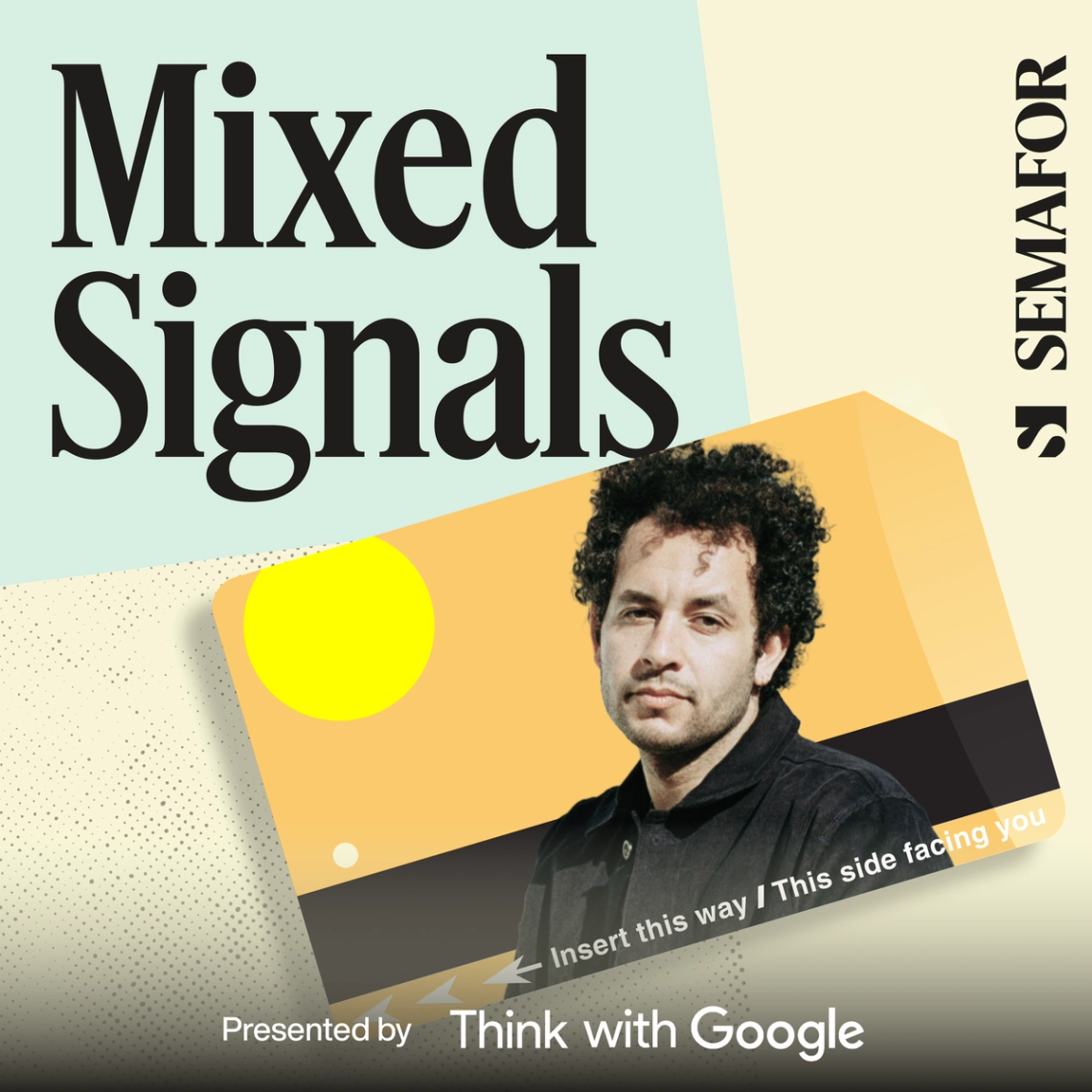 SubwayTakes is reinventing the talk show for the vertical video era. On this week’s episode of Mixed Signals, creator and host Kareem Rahma joins Max and Ben to discuss how he built a show that feels spontaneous but runs like a TV production, why his Kamala Harris episode never aired, and his new show, Keep the Meter Running. Plus, his business model, the costs, and what he learned from watching VICE go bankrupt. |
|
Pretoria’s draft crypto rules spark backlash |
 Phill Magakoe/Reuters Phill Magakoe/ReutersSouth Africa proposed a ban on corporate cross-border stablecoin transactions, setting up a clash with tech entrepreneurs who argue the restrictions will harm trade, push trading into unregulated channels, and isolate the country from global capital. The draft rules treat cross-border stablecoin movements as bank transfers, making them trackable but almost certainly slowing the pace of transactions. The move further disadvantages local firms, Semafor’s Southern Africa correspondent argued, adding that Pretoria “cannot defend its standing as Africa’s preeminent financial gateway by locking its companies out of 21st-century payment systems.” Possibly half of the continent remains unbanked; crypto’s proponents argue it could remedy that by offering cheaper and faster transactions, but trust in the technology remains low, particularly among governments, a Nigerian scholar noted. |
|
Greek island suffers ‘touristification’ |
 Louisa Gouliamaki/Reuters Louisa Gouliamaki/ReutersThe plight of the Greek island of Amorgos illustrates the dangers of “touristification,” an essayist argued. Distinct from tourism, touristification transforms a destination into one “molded to the needs primarily of tourists and the aspirations of tourism businesses,” often rendering the original attractions unrecognizable, Alia Malek argued in Now Voyager. So far spared the ravages of Santorini — where the waste of 3.4 million annual visitors was dumped in a cald |
|
|


