
|
 |
The Truth About People Pleasing
Saying no is not a display of disrespect. It's an expression of self-respect.
|

| |||||||||||||||


I’m a recovering people pleaser. For most of my life, I didn’t tell the Uber driver the car was freezing or the restaurant server the chicken was undercooked. I said yes to every request that came in, even from classmates who’d bullied me and colleagues who’d badmouthed me.
I thought I was being kind. I no longer believe that.
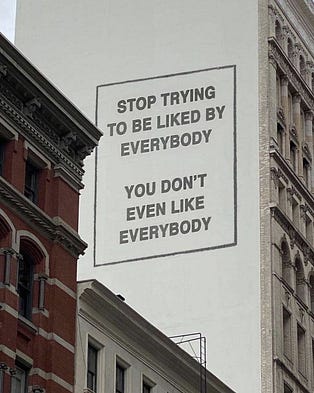
The root of chronic people pleasing is not concern for others. It’s concern for their acceptance and approval.
Psychologists find that what underlies people pleasing is the fear of being disliked and rejected. When we bend over backward to accommodate others at the expense of our own needs, it’s because we depend on them for self-esteem. Our sense of self-worth rests on their validation. It’s not about their feelings; it’s about how their feelings make us feel.
In a live podcast earlier this year, Kristen Bell explained it hilariously:
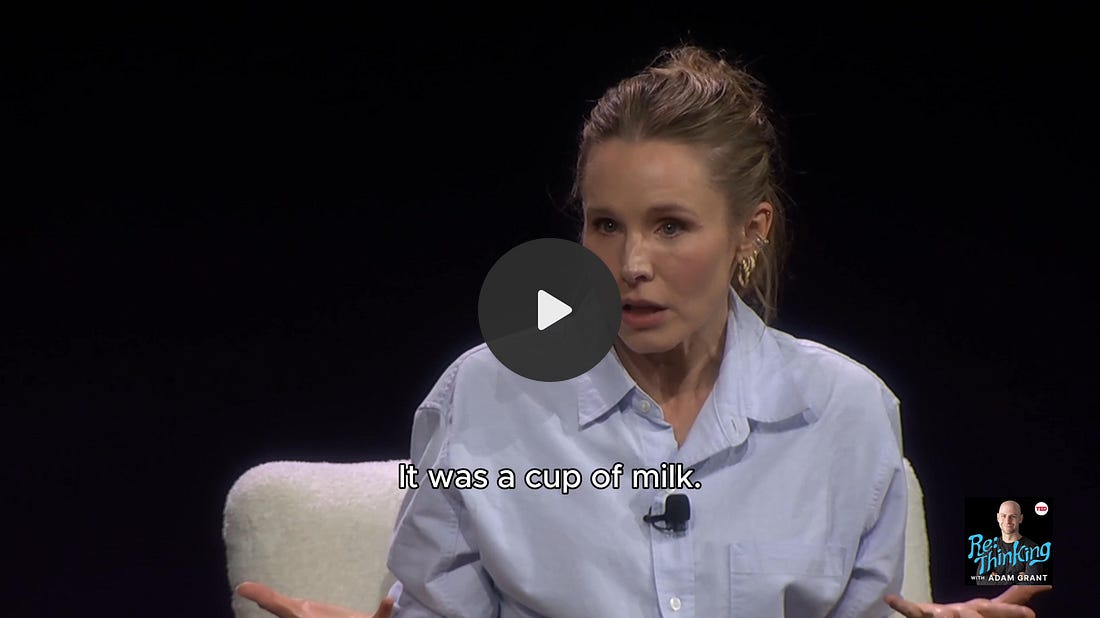
After I described people pleasing as selfish, some of the audience disagreed: “It’s not selfish—it’s survival.” I think they got it wrong… and so did I.
I should’ve said that people pleasing is self-focused. We do it because we’re uncomfortable making others uncomfortable. Ironically, it doesn’t ultimately serve their interests. Every time I failed to tell a driver that the car felt like Antarctica, I was setting another passenger up to shiver.
Nothing bad would’ve happened to me if I’d spoken up. I didn’t need to bite my tongue to survive the ride. But the habit did stem from a survival instinct.
People pleasing is based on insecure attachment. We become people pleasers when we discover that others only value us when we’re cooperative to the point of being submissive and deferential. Many girls and women in particular learn that keeping the peace is a strategy for staying safe.
We shouldn’t mistake the past origin of a behavior pattern for the current purpose it serves. A fear of being disliked leads too many of us to put our image above our values. Saying no is not selfish; it’s an act of self-preservation. Setting boundaries is not about letting others down—it’s about standing up for yourself.
Sharing your preferences is not a display of disrespect. It’s an expression of self-respect.
For more, here’s a podcast we did on the science of saying no: Spotify | Transcript
 |


|