Dear Educator, The news never slows down, and neither do your students' questions about it. Every year, educators tell us the same thing: navigating current events in the classroom is one of the hardest parts of the job, and this year will be no exception.
That's why having the right resources matters. Teachers need nonpartisan, reliable, and classroom-ready materials about our interconnected world. Who better to turn to than the Council on Foreign Relations?
We've put together a set of best practices to help you build a space where students can engage with global events thoughtfully, openly, and with confidence.
Happy learning,
Caroline Netchvolodoff
Vice President, Education
Council on Foreign Relations |
|
|
|
CFR Education Tips for Preparing for Current Events Discussions
1. Create a classroom culture by setting norms and guidelines for respectful civil discourse. Consider displaying the class rules or having students sign an agreement. 2. Establish a routine for discussing current events. Once or twice a month, every Friday? Make it consistent. 3. Ensure students know what is expected through syllabi, rubrics, and explicit instructions. Communicate with school leadership and families when necessary. |
|
|
|
Best Practices for Teaching Global Current Events |
|
|
1. Teaching Foundational Global Affairs Concepts |
When teaching any current event, it's helpful to focus on core concepts over the highly polarized events themselves.
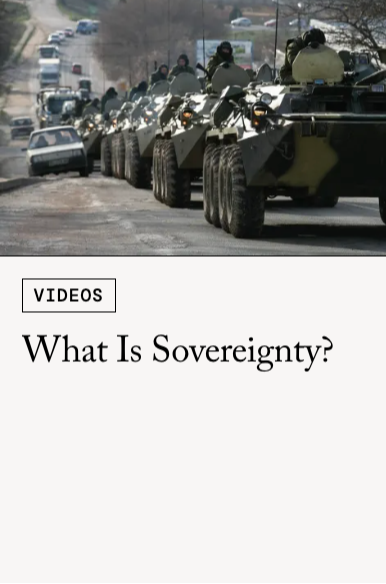
For example, when a student asks about a conflict like the Russia-Ukraine war, instead of entering the emotional fray of modern political tension, pivot to a structural question: “What is sovereignty?" This anchors the discussion in an academic context, giving students the distance needed to evaluate the headlines critically and calmly.
|
|
| |
|
2. Teaching Historical Context |
As with foundational concepts, examining the historical evolution of an issue helps students recognize that current events do not occur in a vacuum. Unpacking the background exposes them to the complex sequence of earlier events and diverse perspectives that shaped the situation, moving them past surface-level headlines.
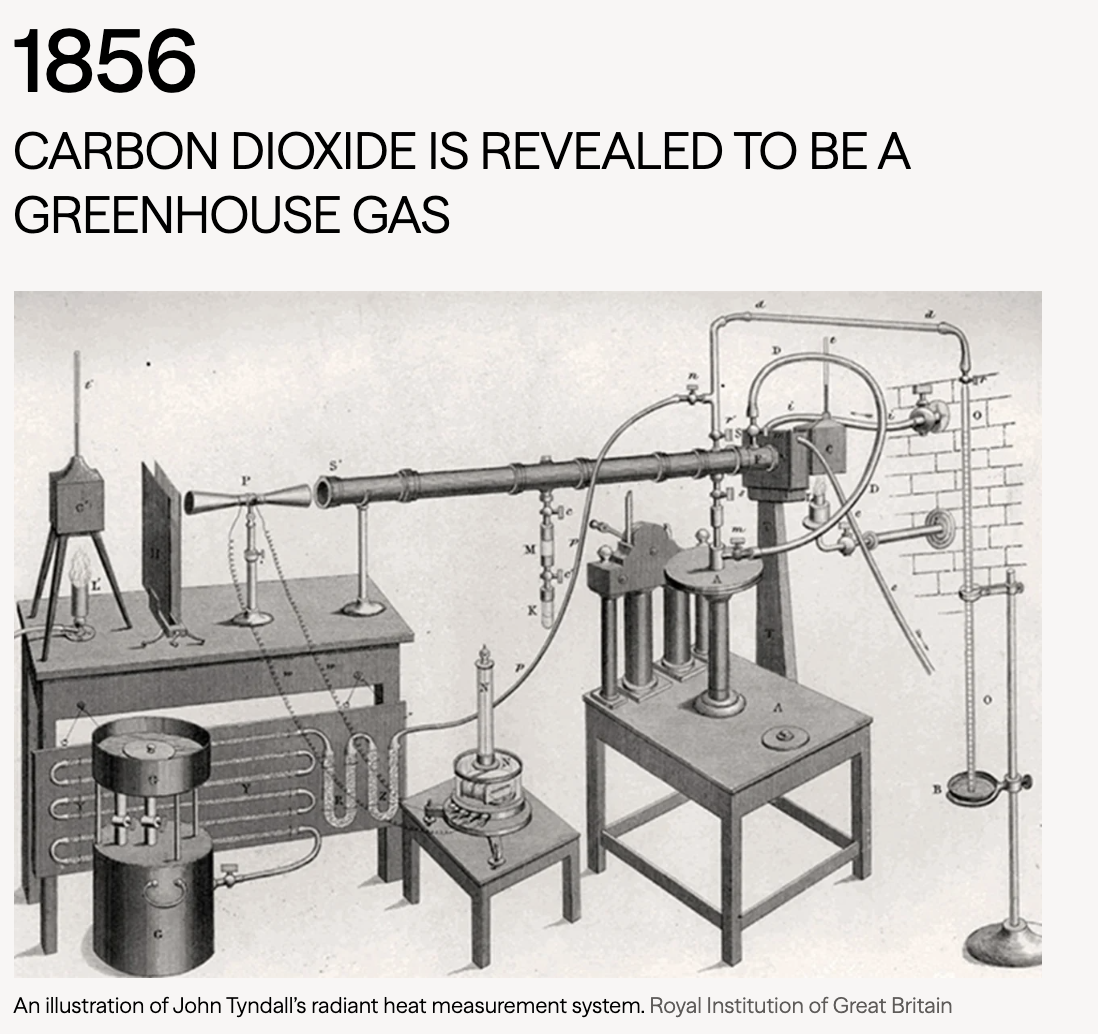
Explore this timeline about the awareness of human-caused climate change that can help your students see that today's climate crisis did not emerge overnight but is the result of centuries of scientific discovery, political debate, and shifting public understanding. |
|
| |
|
3. Using Data and Visualizing Current Events
|
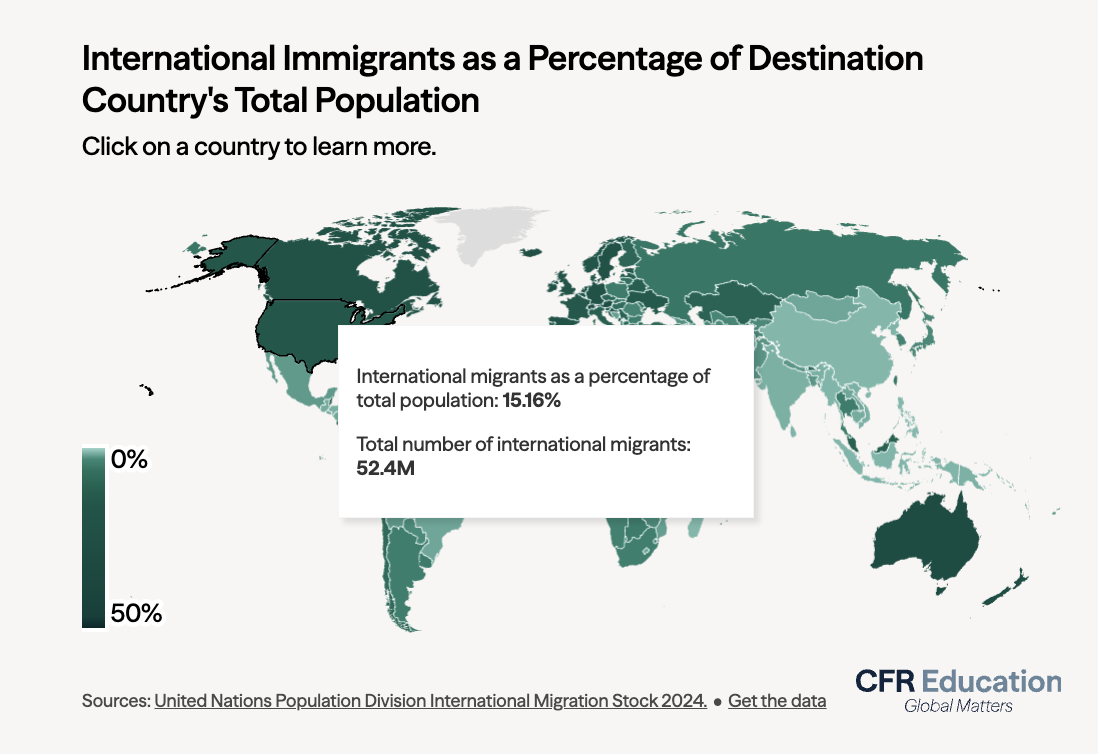
An easy way to step back from the emotions around current events is to analyze data using visualizations, maps, and infographics. Grounding these discussions in geography or data is vital for understanding the structural realities behind complex issues and moving beyond the surface-level headlines.
If you want to prepare for possible questions about immigration-related news from the summer, explore this data-rich reading called Migration Today. |
4. Skill Building: Multiple Perspectives
|
All of the best practices mentioned above rely on students having the interpersonal skills to engage in conversation, which include listening, collaboration, critical thinking, persuasive speaking, empathy, and adaptability.
To help your students build these skills, start with low-stakes school-wide issues, such as dress code or the cafeteria choices, to train them to communicate across divides and appreciate diverse viewpoints. These conversations serve as a starting point to begin to understand the complexities of negotiating a major global issue. By practicing them, students come to understand that global challenges rarely have a single solution, naturally fostering critical thinking and empathy.
Start skill building with this activity: Diplomacy Negotiation: Classroom Summit |
|
|
|
Climate Resources for Back-to-School |
This summer's headlines were full of news on climate-related events that may have affected your students' lives. Our friends at SubjectToClimate have free Back to School teacher guides for every grade band, packed with low-prep, standards-aligned activities across every subject that weave in climate to help you build classroom community and routines from day one. |
|
| |
|
58 East 68th Street, New York, NY 10065 |
1777 F Street, NW, Washington, DC 20006 |
|
|
|
|