What matters in U.S. and global markets today

Start the day with Reuters on the stories moving U.S. and global markets. Subscribe for $1/week.


Morning Bid U.S.

Morning Bid U.S.

A Reuters Open Interest newsletter

What matters in U.S. and global markets today


By Mike Dolan, Editor-at-Large, Finance & Markets

Micron Technology's impressive earnings update and demand forecasts on Wednesday have reheated the shaky chip sector, lifting the trillion-dollar memory chip maker's stock about 14% overnight and igniting a tech rally around the world on Thursday.

With Qualcomm also revealing the extent of demand for its chips over the next couple of years, any suggestion that this week's market wobble was down to an easing of the chip frenzy appears wide of the mark.

I'll get into that and more below.

But first, check out my latest column on why peace in the Gulf is unlikely to help the Federal Reserve's inflation dilemma - and could even exacerbate it.

And listen to the latest episode of the Morning Bid daily podcast. Subscribe to hear Reuters journalists discuss the biggest news in markets and finance seven days a week.


Data refreshes every time you open this email. For more U.S. market news, click here. Please send any feedback to morningbid@thomsonreuters.com.


Today's Market Minute

  • Shares of chipmakers surged late on Wednesday, adding over $400 billion in market value after strong forecasts from Micron Technology and Qualcomm breathed fresh ‌life into Wall Street's recently waning AI stock rally.
  • The dollar headed for its biggest monthly gain in almost a year on Thursday, ahead of U.S. inflation data that could support many investors' growing belief that ‌the Federal Reserve will need to raise rates at least once this year.
  • Japan's government will call for monetary policy that bolsters private demand, a draft of its long-term economic blueprint reviewed by Reuters showed, setting up potential policy tensions with the central ‌bank.
  • Sliding global energy prices are helping to soften the inflationary impact of a stronger U.S. dollar for countries around the world, explains ROI Markets Columnist Jamie McGeever.
  • Britain's next prime minister - its seventh in a decade - may have a narrow but plausible path to galvanise the economy, but may need to channel Richard Nixon to do so, argues former Reuters Senior Editor Mike Peacock.
 

Microneconomics

With Wall Street futures back higher after the main indexes ended in the red for a second day on Wednesday, the readout for other chip-heavy global indexes from the Micron news was immediate. South Korea's KOSPI, whose most valuable firm SK Hynix filed for a U.S. stock offering of some $29 billion on Wednesday, jumped more than 5% on Thursday.

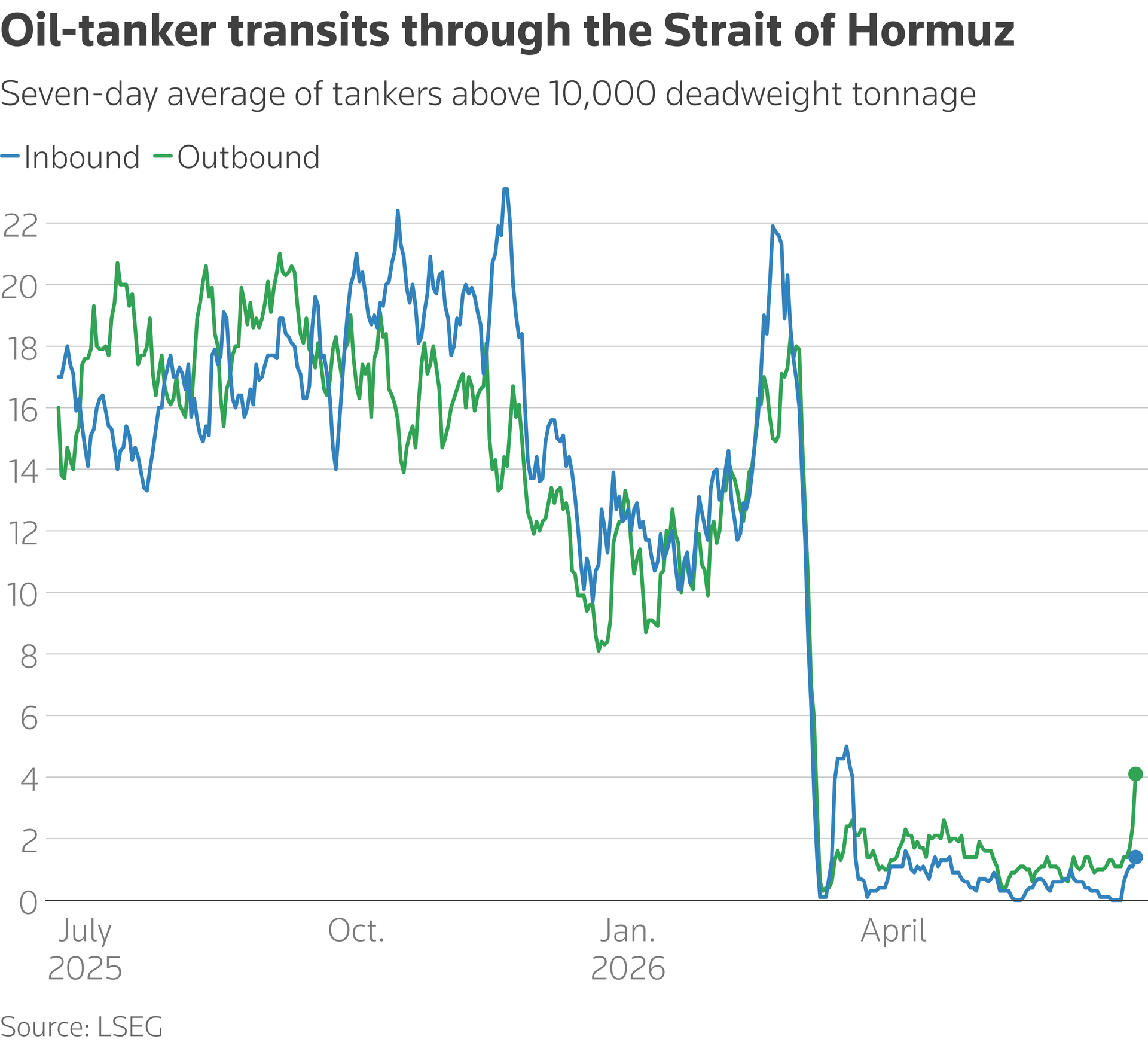
The other big milestone of the day was the return of global crude oil prices to levels seen just before the Iran war started in late February, with Brent crude now trading at under $73 per barrel. Energy prices' completion of this dramatic four-month round trip came amid more reports of rising shipping traffic in the Strait of Hormuz since the announcement of the U.S.-Iran interim agreement.

While that, and some poor U.S. housing data, weighed on long-dated Treasury yields, it did little to defuse Federal Reserve rate-hike expectations. Two-year Treasury yields did slip but remain some 75 basis points higher than they were just before the Iran war.

That's partly because core U.S. inflation was a problem even before the war started. We'll get an update on that later today with the release of the May U.S. PCE report. It's expected to show that core annual inflation ticked higher to 3.4% last month.

The Fed's wariness is also partly connected to expectations that the AI spending surge, soaring stocks and rising chip prices could be amplifying inflation more broadly, an issue that could - perhaps ironically - be worsened if the fuel price retreat takes the brakes off economic activity and spending elsewhere in the economy.

With that, onto today's column.


Iran peace deal no silver bullet for Fed's inflation dilemma

Peace in the Gulf may ease pump prices, but not the Federal Reserve's bigger problem: a U.S. economy that may already have been overheating before the Iran war. If oil retreats to pre-war levels, it could even spur demand at a critical juncture and worsen cost-of-living fears.

That sounds like a "damned if it does, damned if it doesn't" predicament. Yet the Fed's dilemma on inflation and interest rates might not be resolved as easily by normalizing fuel prices as either it or President Donald Trump might wish.


Graphics are produced by Reuters.