Lumina Foundation is working to increase the share of adults in the U.S. labor force with college degrees or other credentials of value leading to economic prosperity.
As college affordability continues to challenge students nationwide, rising costs for basic needs assistance are increasingly influencing whether students enroll and ultimately complete their degrees. In response, Coppin State University is reducing nontuition expenses for students who live on campus by lowering its meal plan costs by 12 percent. The university will also keep mandatory student fees flat.
The changes come as institutions nationwide grapple with how to address the growing role of nontuition expenses in student success. While tuition often dominates conversations about college affordability, food, housing, and transportation expenses can also impact students’ ability to remain enrolled.
Last week, a college known historically for its residential liberal-arts education shed its longtime campus for good. The institution hasn’t closed. In fact, it is enrolling more students than ever before.
But Unity Environmental University, formerly Unity College, no longer enrolls any undergraduates at its home base in rural Maine. Unity has offloaded the real estate at a price of $6 million. The sale, to a buyer who plans to use the 225 acres for summer-camp programming and outdoor experiences, caps off a yearslong pivot in which the institution has completely remade itself.
Something impressive is happening at California’s community colleges. In fall 2024, 58 percent of students completed a transfer-level math course on their first attempt—a seven percentage-point gain in just two years.
Since California overhauled how it places students in college math courses, the number of students completing transfer-level math in their first term has more than doubled, to 62,000. Latino and Black students are now completing college math courses at rates three to four times higher than before. Often, students receive robust corequisite support, which can include tutoring, extended instruction time, and companion courses that improve the odds of success.
In December 2023, Lisa Marsh Ryerson became the new president of Southern New Hampshire University. Ryerson, SNHU’s then-provost and a former trustee, previously served at the helm of Wells College for 18 years before leading the AARP Foundation for almost nine years.
Ryerson’s appointment followed Paul LeBlanc’s decision to step down as president and CEO. He had led the private nonprofit for two decades, during which time SNHU evolved into a sectorwide leader in online education and dramatically grew its student body. In this interview, Ryerson discusses taking over for a longtime and well-known president, how her history with SNHU helped her hit the ground running, and what advice she has for leaders in similar positions.
The University of Utah is on track to offer a first-of-its-kind bachelor's degree program in artificial intelligence this fall. The proposal now awaits a final decision from the Northwest Commission on Colleges and Universities, the U.'s accrediting body.
If approved, the AI bachelor's program—Utah's first—would begin accepting applicants for the upcoming fall 2026 semester. University leaders are hopeful the addition of the degree will help meet a growing demand for workers in an expanding sector. According to the U.S. Bureau of Labor Statistics, Utah consistently ranks among the top 10 states for job growth in technology.
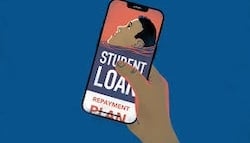
More than a quarter-million student loan borrowers in Illinois recently received an urgent email from federal education officials telling them they must choose a new repayment plan as the most affordable option disappears July 1.
Two borrower advocates weigh in on the elimination of the Saving on a Valuable Education (SAVE) plan, what it means for the nearly eight million borrowers who enrolled in SAVE, and why they worry its demise will hurt those who are already struggling to stay afloat as gas, groceries, and rent prices rise.




.jpeg?width=500&upscale=true&name=images%20(46).jpeg)