| | Oil prices plunge and the Gulf takes differing approaches to relations with Iran, while a Ukraine re͏ ͏ ͏ ͏ ͏ ͏ |
| |  Kinshasa Kinshasa | Manama |  Mexico City Mexico City |
 | Flagship |  |
| |
|
The World Today | 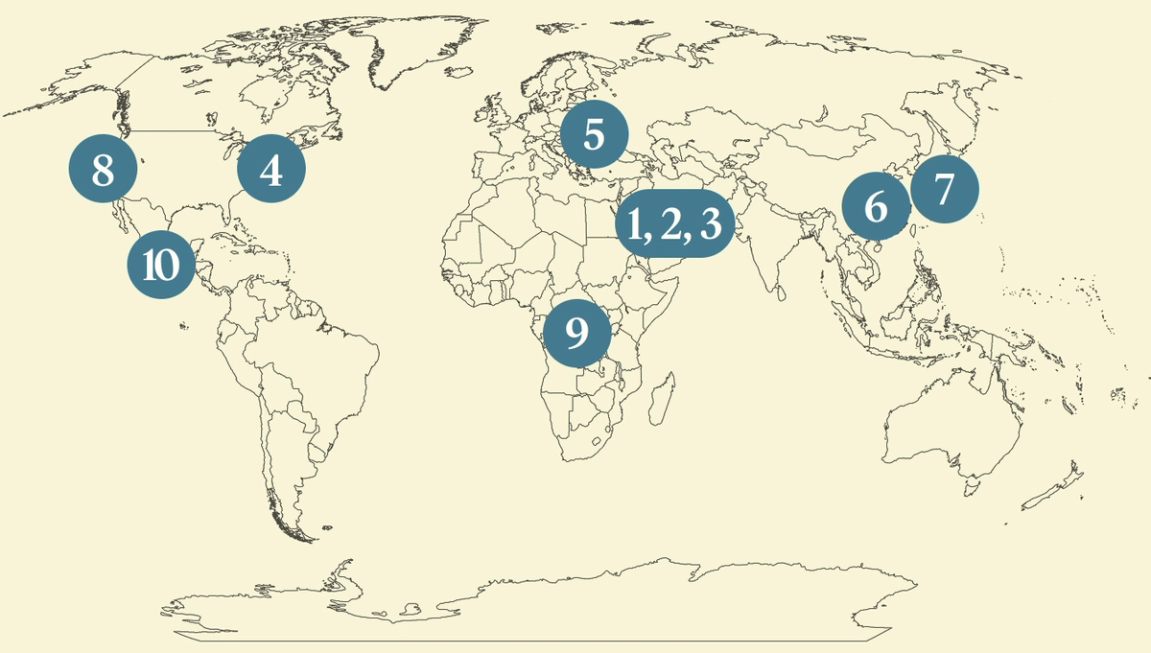 - Oil drops as Hormuz opens
- Gulf-Iran relations ease
- Mideast sectarianism fears
- Trump’s NATO threats
- Ukraine’s diplomatic spats
- Alibaba in Anthropic row
- SK Hynix’s US listing
- AI boom drives inflation
- Ebola drug trial plans
- Lost Mayan city discovered
 A book charting the rise of the lithium-iron battery and its impacts on the environment. |
|
Confidence grows over Hormuz |
 Stringer/Reuters Stringer/ReutersOil prices fell to their lowest level since the US-Israel war with Iran, as growing signs of a tentative return to normality through the Strait of Hormuz soothed markets. Buyers are “suddenly awash with supply,” Bloomberg said. Growing numbers of ships — many of which had gone dark in order to quietly traverse the strait — are now navigating the waterway with their transponders on, and maritime insurers are slashing their rates, as confidence builds after last week’s interim truce between Washington and Tehran. Still, weeks of disruption are likely to leave their mark, Goldman Sachs economists warned: Stocks of refined products are lower than their recent average, with gasoline in particularly short supply. |
|
Saudi, Qatar woo Iran; UAE digs in |
 US secretary of state with Saudi’s foreign minister. Eric Lee/Pool/Reuters US secretary of state with Saudi’s foreign minister. Eric Lee/Pool/Reuters
The geopolitical split between Gulf powers is increasingly on show over their response to the aftermath of the US-Iran war. Saudi Arabia and Qatar are moving toward reconciliation: Riyadh is reportedly arranging a peace summit, while Doha wants to initiate talks on resuming shipping through the Strait of Hormuz. But the UAE — which suffered the vast majority of Iranian attacks, rocking its reputation as a business hub — is not in a hurry to move on. A diplomatic adviser to the Emirati president warned against “imposing a fait accompli born of aggression.” It falls to US Secretary of State Marco Rubio to keep everyone happy: He will be in Bahrain today to shore up support for the interim truce. |
|
Bahrain’s Shiite crackdown |
 Murad Sezer/Reuters Murad Sezer/ReutersBahrain imposed sweeping restrictions on its Shiite community ahead of a major holiday commemoration, the latest in a string of curbs on minorities across the Gulf since the US-Iran war. The crackdown emphasizes a point made recently by Semafor’s Gulf editor: The conflict’s most enduring legacy in the region, whose ruling monarchies are Sunni Arab, may be renewed tensions with Shiite populations because of perceived links to Shiite-majority Iran. Any dissent now risks being recast as treason. Manama recently stripped 69 Shiites and their relatives of citizenship, attempting to deport most to Iran, and have banned public mourning for Tehran’s late supreme leader; authorities in Kuwait, Qatar, and the UAE have also cracked down on alleged Iran-linked militants and sympathizers. |
|
Trump attacks NATO (again) |
 Trump and NATO’s secretary-general. Evan Vucci/Reuters Trump and NATO’s secretary-general. Evan Vucci/ReutersUS President Donald Trump voiced frustration with NATO allies for failing to back his war against Iran, deepening transatlantic tensions ahead of a key summit of the military alliance. Trump has repeatedly criticized the group’s members for failing to spend enough on defense, and frequently suggested he would not adhere to its collective defense commitment. His latest remarks, made while seated alongside NATO’s secretary-general, came as the alliance’s biggest European members said they would step up their partnership, two weeks ahead of the closely watched summit. The NATO chief, for his part, sought to assuage Trump with a series of charts underscoring increased European defense spending, before appealing to the American president: NATO allies “want to hear your lead.” |
|
Politics looms over Ukraine summit |
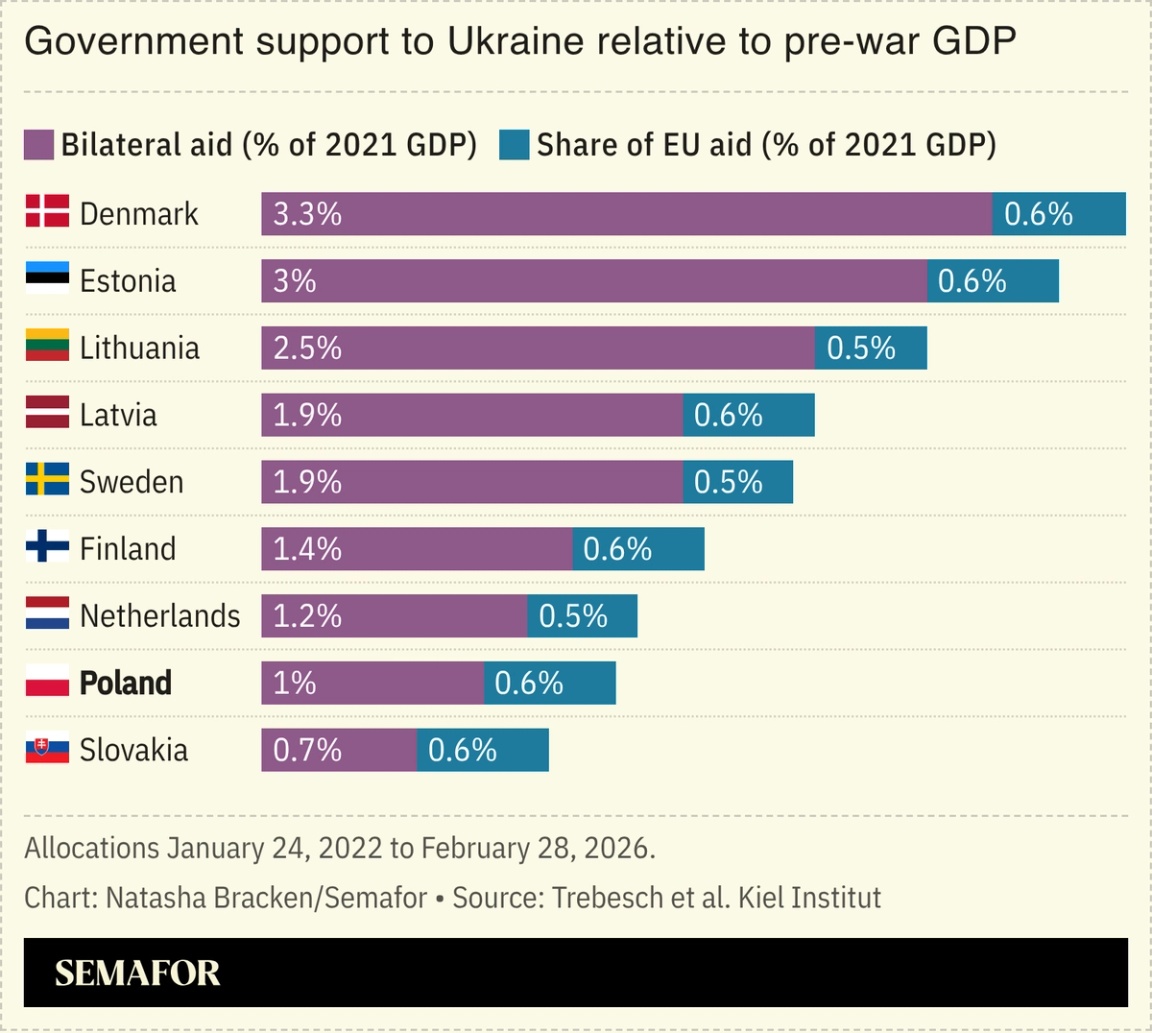 A conference focused on rebuilding Ukraine risks being overshadowed by diplomatic disputes between Kyiv and its neighbors. Politicians, executives, and activists gather today in the Polish city of Gdańsk with defense and infrastructure ostensibly atop the agenda. But Warsaw and Kyiv are locked in a row over Ukraine renaming a military unit after World War II insurgents that killed thousands of Poles. Though Poland has insisted its support for its neighbor in the war with Russia remains unequivocal, it nevertheless stripped Ukraine’s president of an award. The EU has, meanwhile, lowered its accession ambitions for Kyiv following opposition from Hungary — despite the election of a new government in Budapest that has signaled a warming of ties with Ukraine. |
|
Anthropic hits out at Alibaba |
|
SK Hynix eyes $29B US listing |
|
 The insider guide to the energy transition’s new order. Penned by Climate and Energy Editor Tim McDonnell, Semafor Energy delivers sharp reporting and analysis on the policies, people, and power struggles driving the energy transition. As the world reshapes how it produces, distributes, and consumes energy, each edition helps readers understand the ways the energy transformation is defining the new world economy. Subscribe for free. |
|
Tech price rises drive inflation |
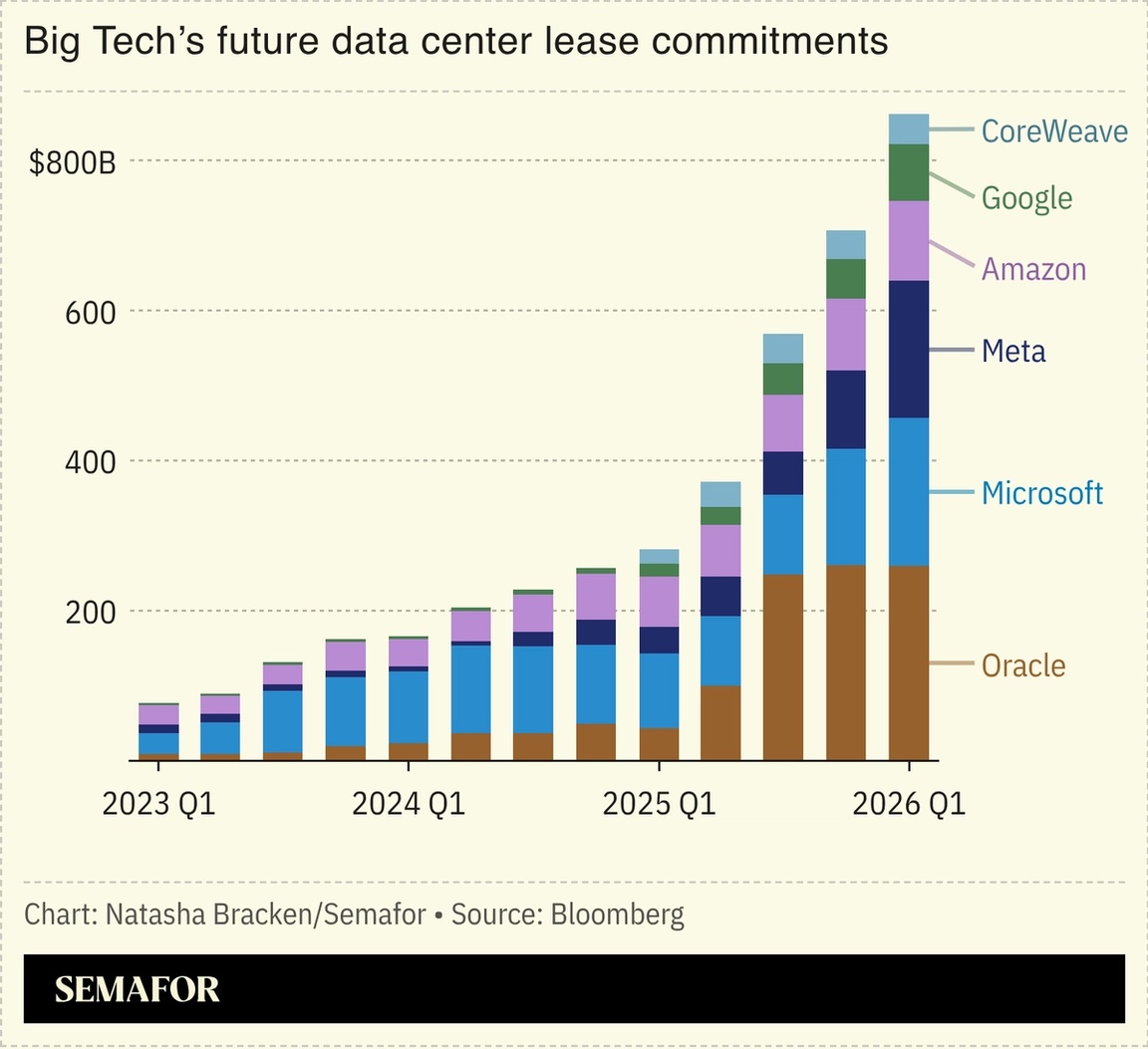 The AI data center boom is causing a new wave of inflation, data suggested. As oil prices drop with the Iran war quiescent, US consumers might hope price rises could level off. But demand for chips and energy is driving up costs for everything from smartphones to electricity. The inflationary pressure will be lower than that caused by US tariffs, COVID, or the Iran war — tech and energy are a small fraction of most people’s spending — but it could “keep inflation broadly elevated,” The Wall Street Journal said. And the data center boom is unlikely to stop: Meta and Microsoft alone have committed tens of billions of dollars, while Amazon and Google are leading the race for new power sources. |
|
WHO plans Ebola drug trials |
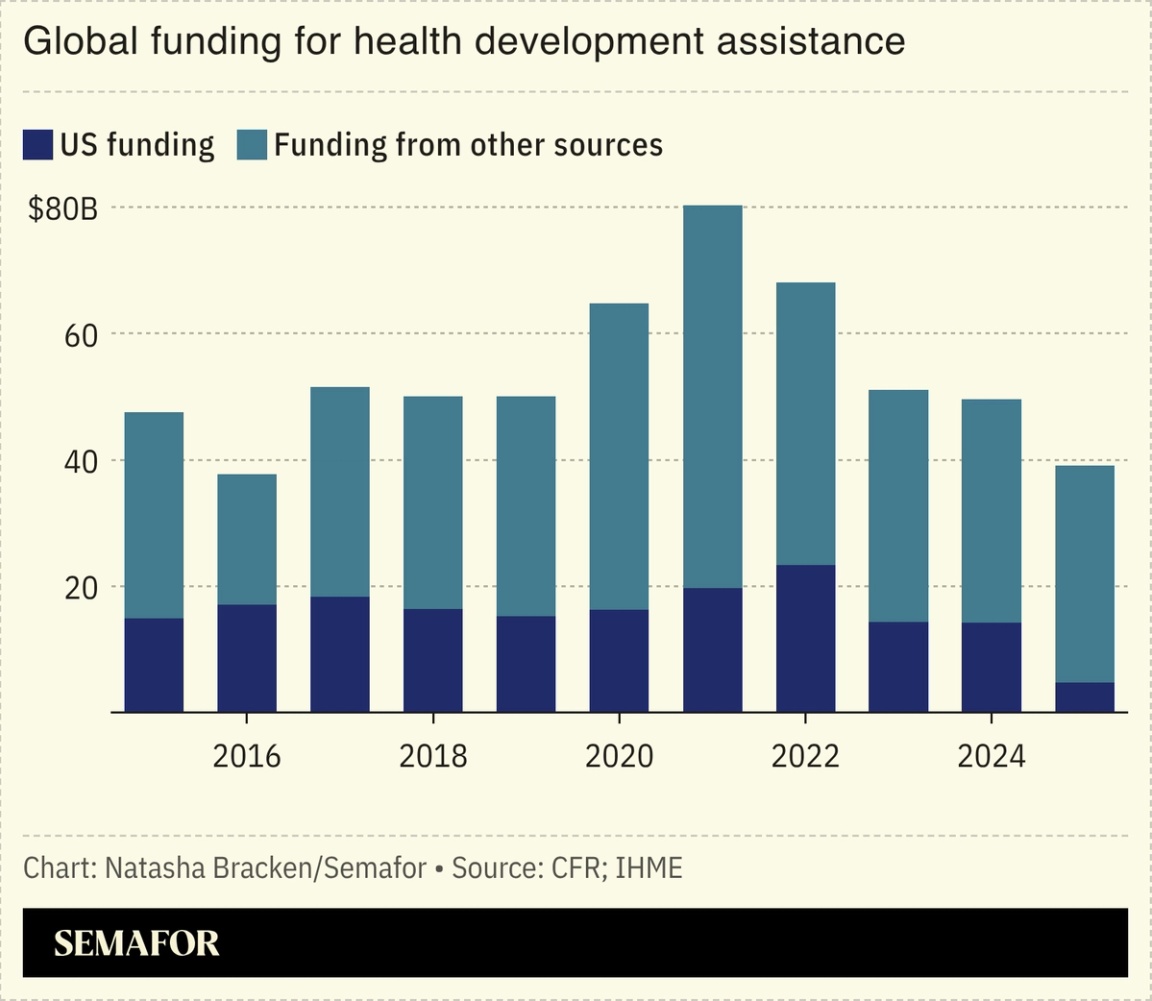 The WHO announced two trials of experimental anti-Ebola drugs to combat the fast-moving outbreak. More than 1,000 cases and 277 deaths have so far been confirmed, most of them in the Democratic Republic of Congo, from the Bundibugyo strain, which has no approved vaccines or treatments. The US will provide one of the new drugs, a shift in stance after previously saying it would only be available for at-risk Americans. This Ebola strain may be spreading faster than previous outbreaks because its symptoms are milder, doctors said, with initial data suggesting only 10% of patients develop the extensive bleeding usually associated with the disease — good news for those infected, but potentially making it harder to detect and thus control. |
|
|


