Amble’s game-changing EV, the Jaipur members’ club to join and the city that splashed out on staying cool.
|
Thursday 25/6/26
|
|
|
London
Paris
Zürich
Milan
Bangkok
Tokyo
Toronto
|
|
|
|

Good morning. Summer is in full swing and Monocle’s July/August issue is now on newsstands and online – but which cities have made it into our annual ranking of the 20 best places to live, work and call home? Cities don’t divulge all their best bits at once and neither do we. So, for the full rundown, read the Quality of Life Survey 2026 at monocle.com or watch our editorial director Tyler Brûlé’s appearance on CNN, where he explains all. Here’s what’s coming up in today’s special edition of The Monocle Minute:
THE OPINION: Our Quality of Life Survey results are in
IN PRINT: EV maker Amble turns the wheels of progress
HOSPITALITY: Join the Jaipur members’ club with flair
URBANISM: The city that splashed out on staying cool
THE LIST: Stories you might have missed
|
|
THE OPINION: QUALITY OF LIFe
|
|
The results of Monocle’s annual Quality of Life Survey are in. How did your city fare?
By Alexis Self
|

|
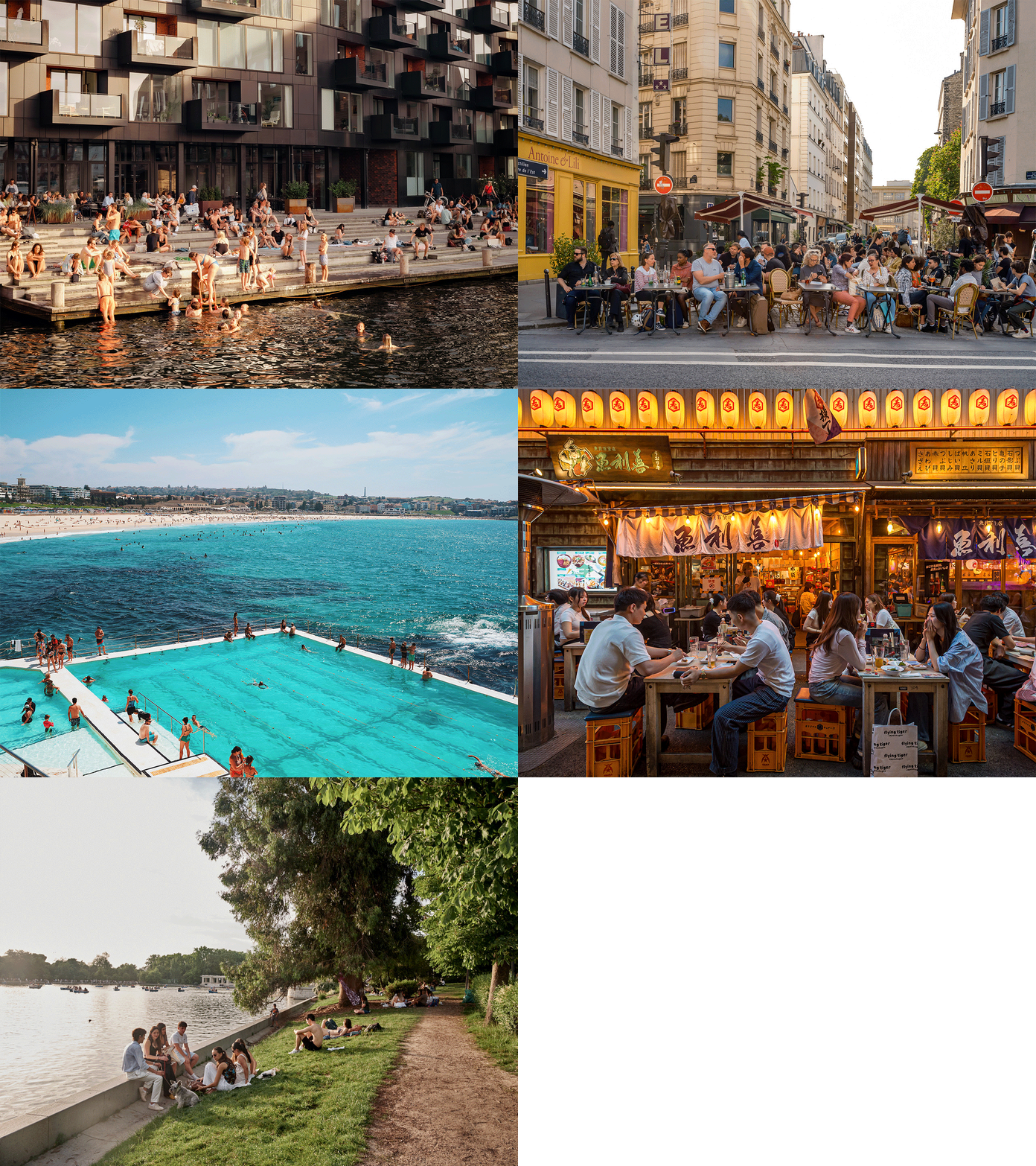
At Monocle, we have always been curious about what makes cities tick and how they can be improved. Nineteen years ago, we thought it odd that rankings of urban centres were so often driven by factors such as tax rates, GDP and living costs alone. Surely urban life should be judged on things such as culture, retail, hospitality and architecture, too? The result was a detailedlist of questions sent out to correspondents in cities worldwide. Today we continue to ask trusted people whose judgement we value for their takes. Our survey still comprises questions that assess safety, connectivity, governance, green space and more. But we also check whether you can get a decent meal and a drink after 22.00.
|
Every year, we make small tweaks to reflect how the world is changing. For 2026, we have paid special attention to excitement, urban ambition and security. We also sought additional data from property specialist Knight Frank and EIT Urban Mobility Edition’s Copenhagenize Index 2025 to build up better pictures of the places that we scrutinised. The latter’s “bicycle modal share” figure measures the proportion of all daily trips taken on two wheelsand was considered when we decided on the final top 20.
After poring over the numbers and reading correspondents’ views, our editors drafted a final line-up. North American cities have struggled as a result of stubbornly high rates of crime, inequality and poor housing. And in spite of a wealth of ambition – Cape Town’s public pools and Kigali’s spotless streets come to mind – Africa and the Middle East don’t offer the security of certain mature markets in Europe and Asia. Famous cities on these two continents have also failed to make it on to the list because of their failure to get a handle on certain perennial urban issues. Consider this the beginning of a debate, rather than the end of one.
According to the UN, four-fifths of the world’s population lives in urban areas (and more are coming). Cities are the engines of human progress and an ongoing experiment. Even the best ones aren’t perfect. The aim of Monocle’s Quality of Life Survey is to nudge the discussion around liveability away from stuffy policy and towards a genuine conversation about what moves our hearts, minds and feet towards certain places. Has your city made the cut?
Alexis Self is Monocle’s foreign editor. If you have any questions about our ranking, you can contact him at as@monocle.com. For more opinion, analysis and insight, subscribe to Monocle today.
|
|
In Print: Portugal
How Amble’s crack team of designers could shift the EV race up a gear
We have been promised a paradigm shift in personal mobility for some time – so where is it? Electric vehicles still only account for about a quarter of global car sales and car-share schemes, self-driving cars and the micro-car revolution all seem to have stalled. Automotive design is stuck in a rut, with European manufacturers often retreating to retro ideas, while Chinese manufacturers chart their conservative path (can you tell a BYD from an Xpeng?). Meanwhile, all are competing on battery range even though most journeys are less than 10km and vehicles are increasing in size just as urban planners push to reclaim the streets for humans.
| |
|
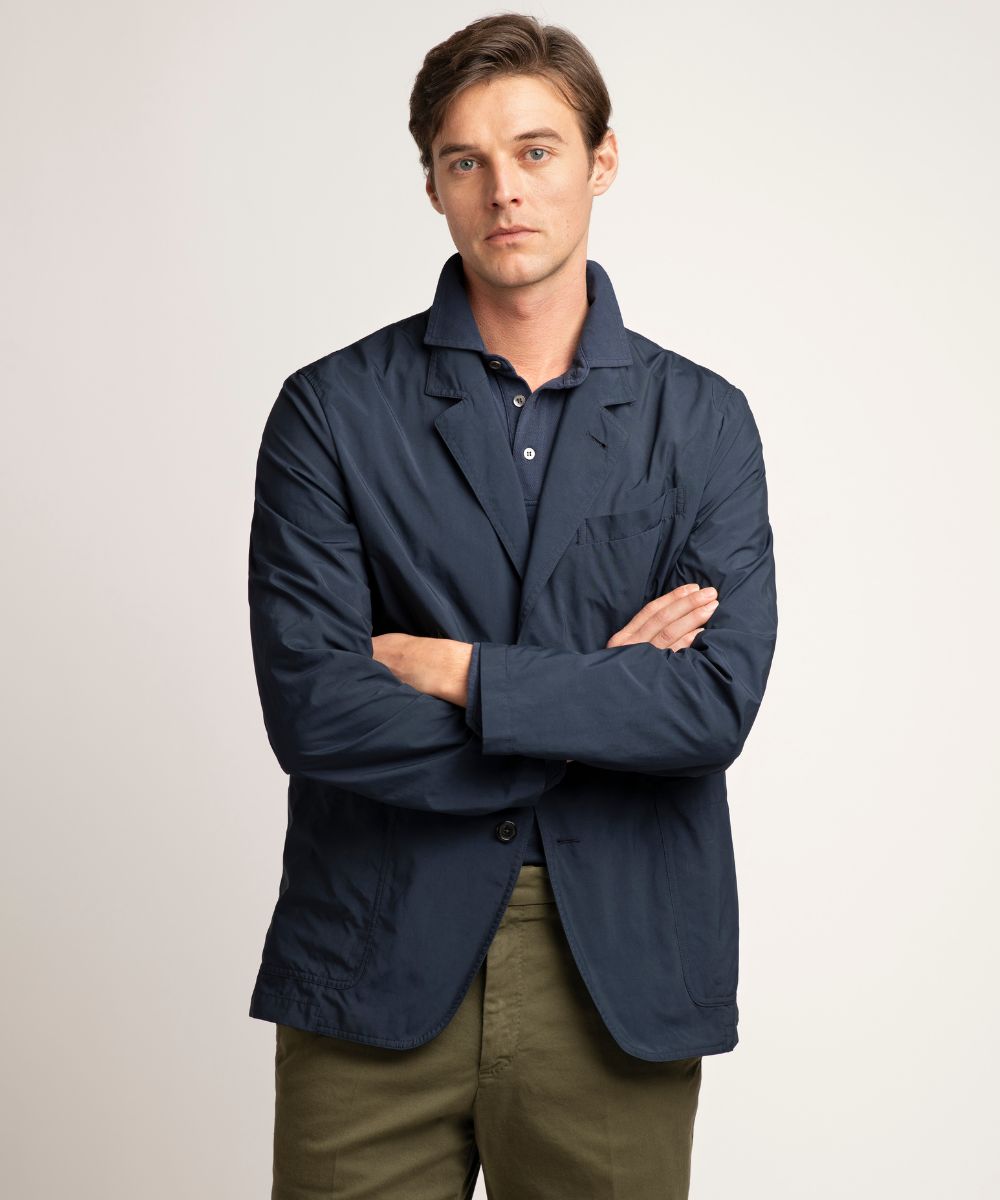
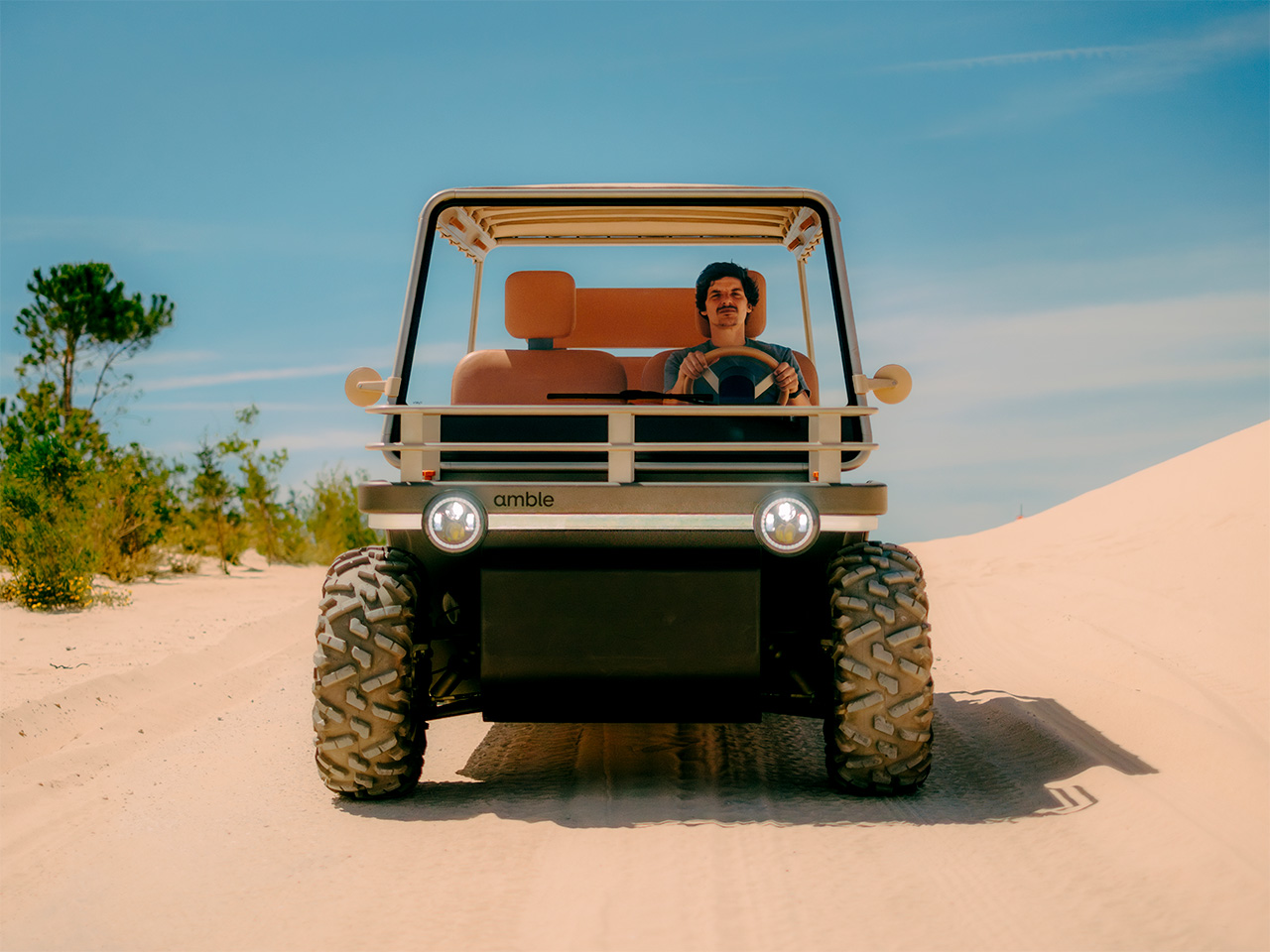
Driving progress: Amble in action
|
|
But here comes a potential game changer. Dreamt up by Portuguese former investment banker José António Uva, Amble is a low-cost electric four-seater. Uva is the visionary behind farmhouse hotel São Lourenço do Barrocal on his family’s wine estate in eastern Alentejo. When it opened in 2016, it seemed an unpromising location for a high-end independent hotel but Barrocal has become the resort of choice for visitors to Portugal seeking impeccable hospitality in a design-conscious yet authentic setting.
“I’m not really an off-the-shelf kind of person,” he tells Monocle. Which brings us to Amble. Uva hopes that this vehicle, which resembles a funky Mars rover, will address one of his biggest bugbears: hospitality carts, those moonlighting golf buggies that resort hotels use to ferry guests and supplies.
“As soon as I opened Barrocal, I realised that there was a problem,” he says. “Those carts are the first touchpoint for guests but they never match the beauty of the landscapes or the architecture that you find in top independent hotels.” They are also notoriously unreliable. They don’t have adequate suspension so are uncomfortable (particularly if you sit in the back) and their image has hardly been enhanced by their association with a certain world leader.
Monocle met the crack design team behind Amble and took it for a test drive over the dunes and boardwalks of Formentera. Want to read the full feature? Click here.
|
|
Hospitality: india
Saddle up at Polo Palladio for a taste of Jaipur’s social scene
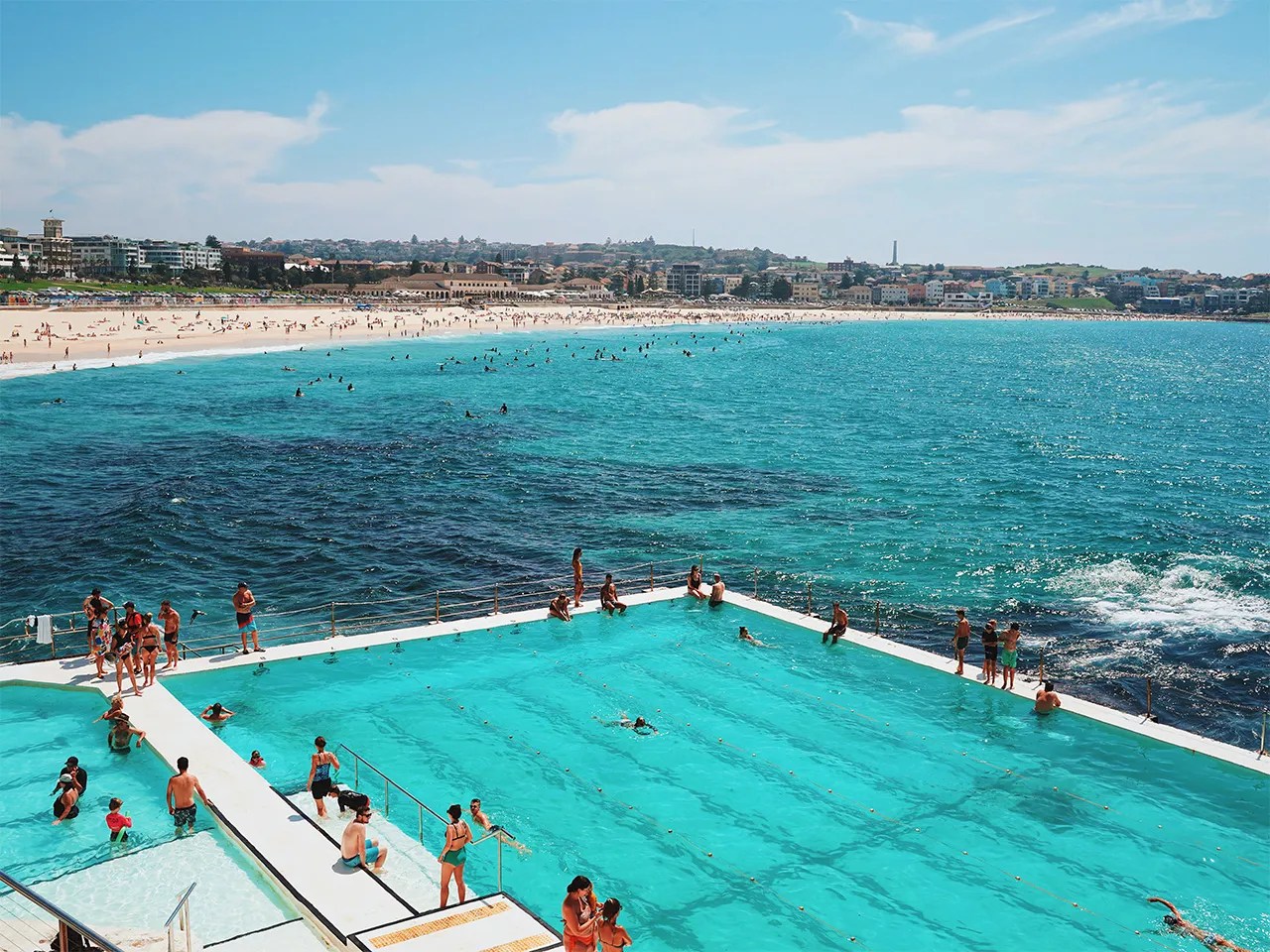
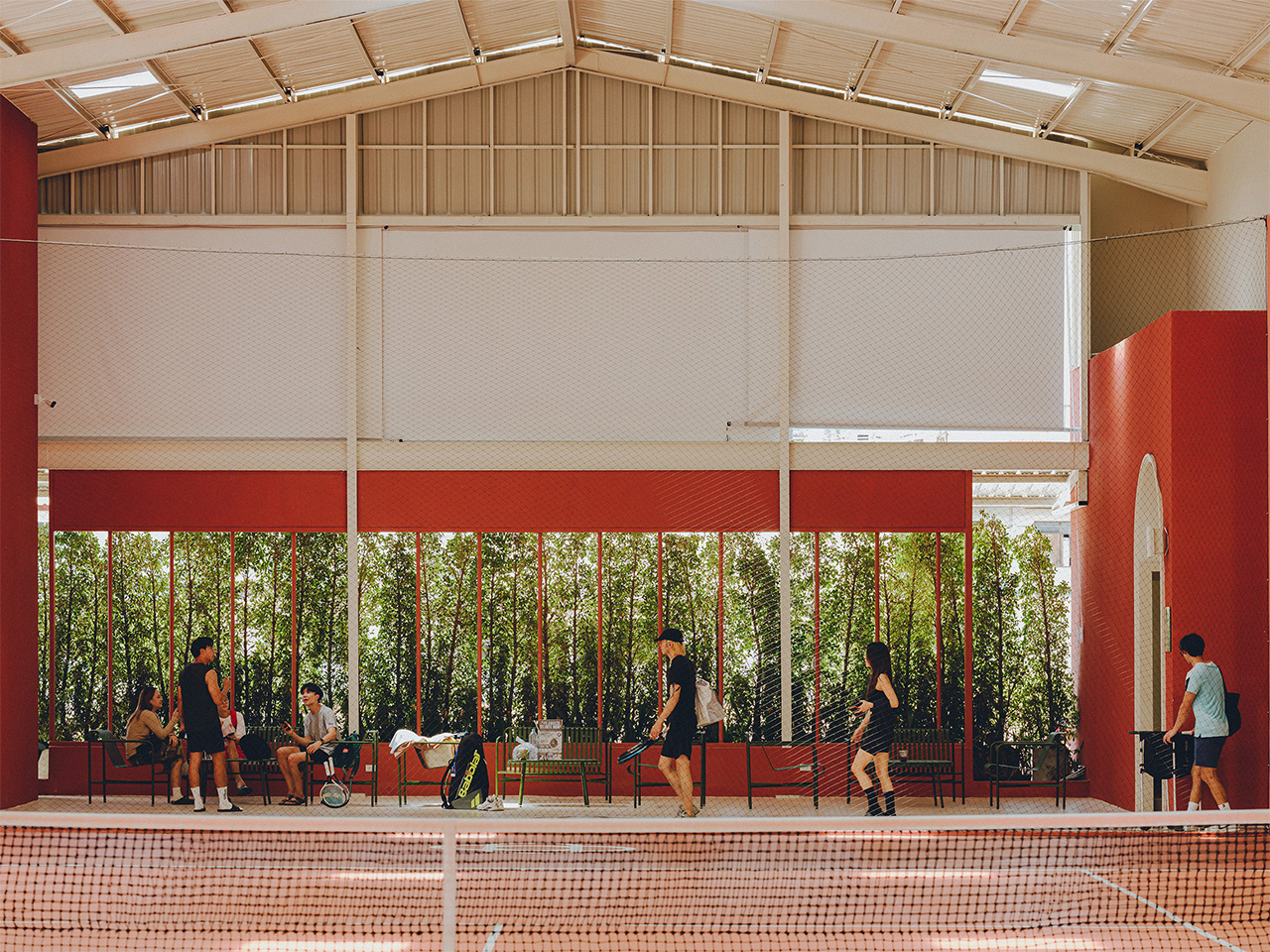
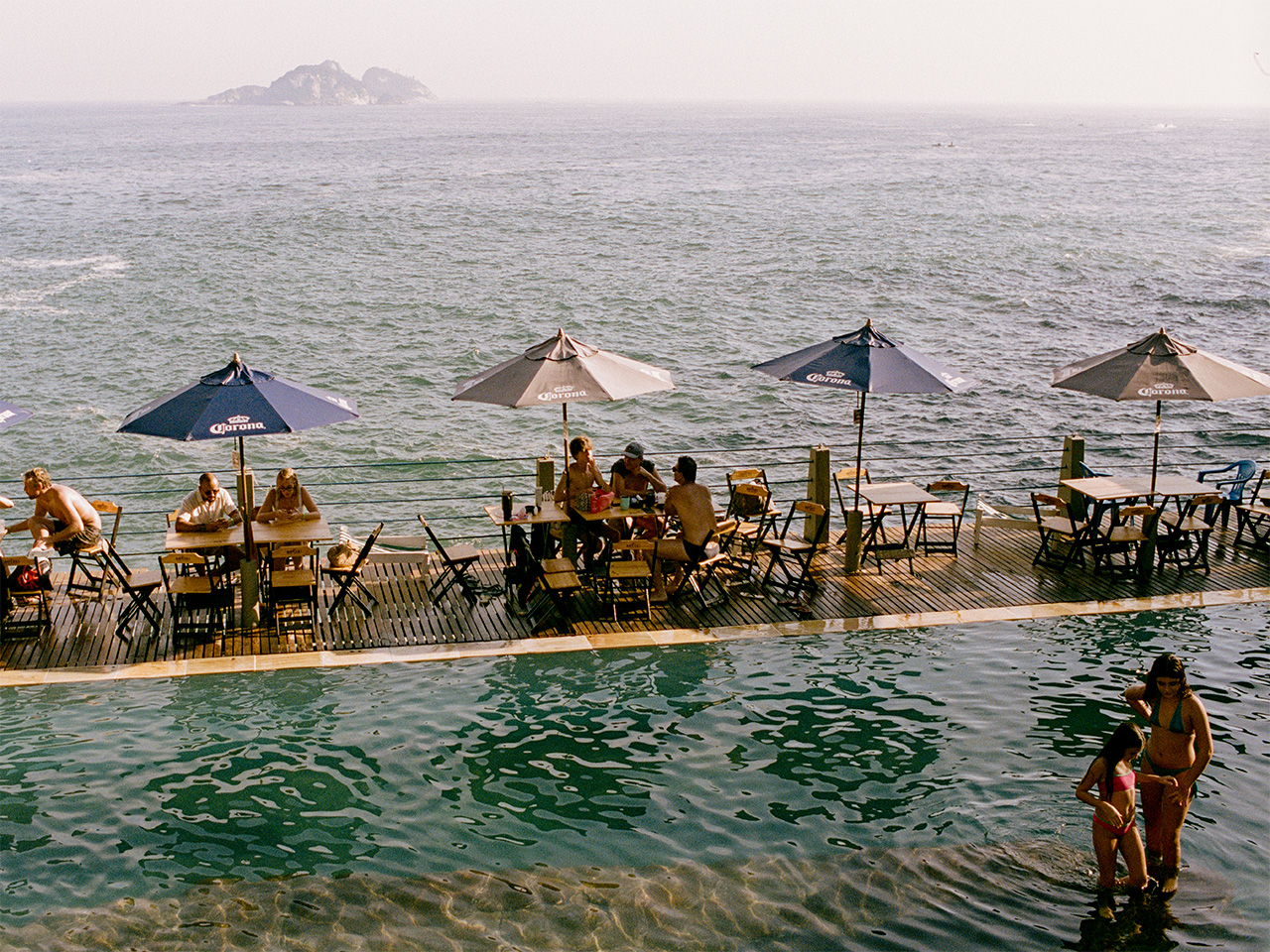
In our July/August issue, we round up the best clubs across the globe in which to catch a bit of rest and recreation, from a Rio landmark that has defined Carioca coastal life for six decades to a Bangkok tennis club serving up fresh opportunities to play, socialise and dine. Here we visit a members’ club in Jaipur that celebrates tradition with a little flair.
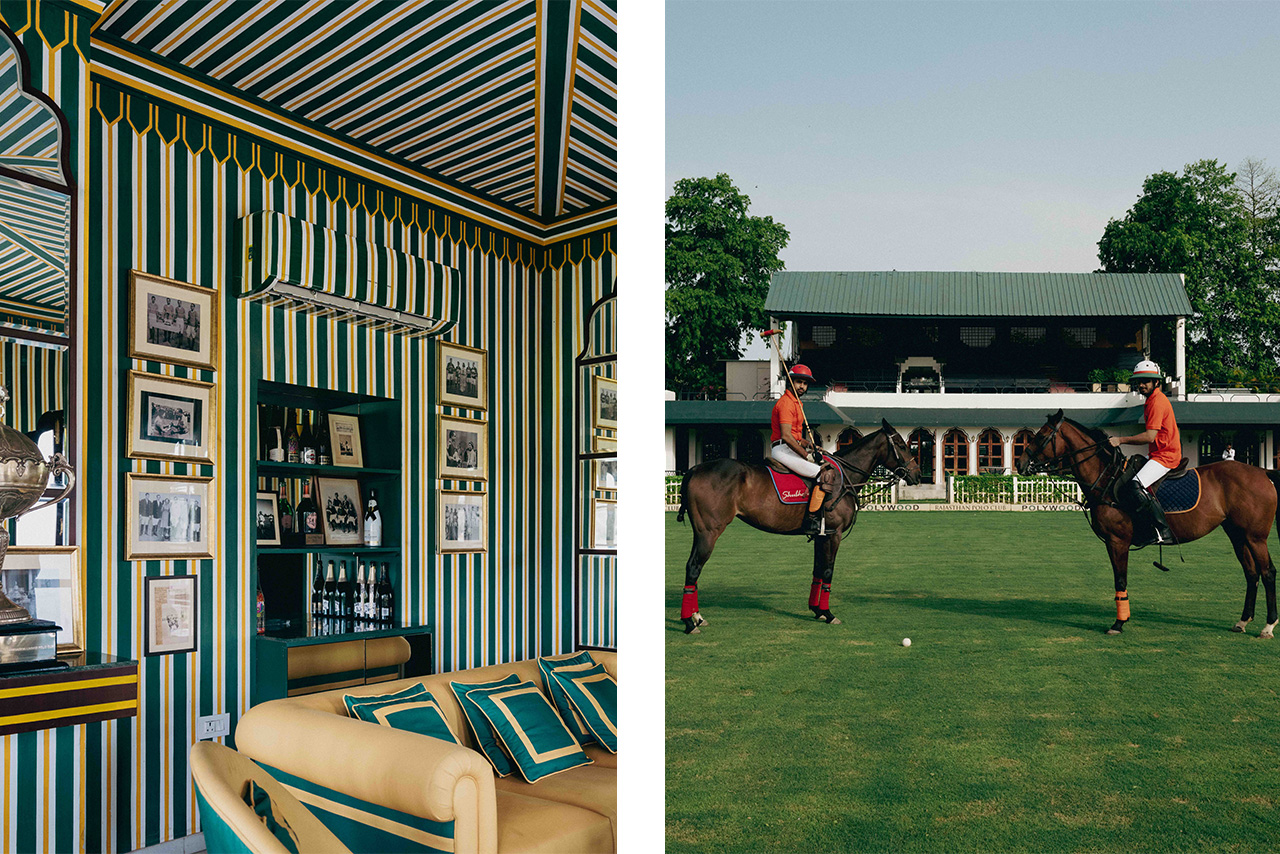
Ever since Maharaja Sawai Man Singh II, who once ruled Jaipur under the British Raj, led India to victory at the Polo World Cup in 1957, the city’s passion for the sport has flourished (writes Katharine Sohn). And it’s a love affair encapsulated today by Polo Palladio, a members’ clubhouse beneath the stands of the Rajasthan Polo Club.
| |
|
Free rein: Polo Palladio members make the most of their club
|
|
Opened in 2024, it’s the latest Jaipur-based project by Swiss-Italian entrepreneur Barbara Miolini, who established herself by designing hotels in St Moritz. Having founded restaurant Bar Palladio in 2013 and Villa Palladio, a former hunting lodge-turned-hotel, in 2022, she has made the Palladio name a staple of Jaipur’s social circuit.
The polo club’s archives celebrate a stately history. There are portraits of Princess Diana, vintage team photographs and letters from Queen Elizabeth II, who attended a polo match during a state visit in 1961. “The guest list once featured princes and playboys, dynastic scions and socialites,” says Miolini, who was intent that the club’s design should nod to these historic details.
Polo Palladio’s interior was brought to life by Dutch designer Marie-Anne Oudejans, Miolini’s long-term collaborator and the designer of all three of her properties. Where traditional clubs often veer towards conservative restraint, Oudejans brought bold colour, daring geometry and modern Indian craft – think made-to-measure furniture, hand printed fabrics and glassware engraved with two crossed mallets. The space, says Miolini, is a homage to the history and glamour of the maharajas who played there.
On match days, the pitch welcomes the whole city. Members take to the stands where turbaned waiters serve sharp cocktails and crunchy chaat, while the public claims the grass below. “What I love about Polo Palladio is that you never know who you might meet and what you might discuss,” says Miolini. Old Jaipur families sit alongside lawyers, professors, artists and jewellers. “No one is guarded.”
After the match, the garden opens for high tea. Chicken majnoon (a spiced pomegranate roast with saffron-infused rice and fiery prawns) is on the menu – a nod to the sport’s Persian origins. The crowd, often dressed in saris and diamonds or sporting safari jackets and pipes, has been known to have pitch-side parties that last into the early hours. “Very few spaces in Jaipur feel this way,” says Miolini.
|
|
urbanism: switzerland
Zürich’s best fountains: How a city splashed out on staying cool
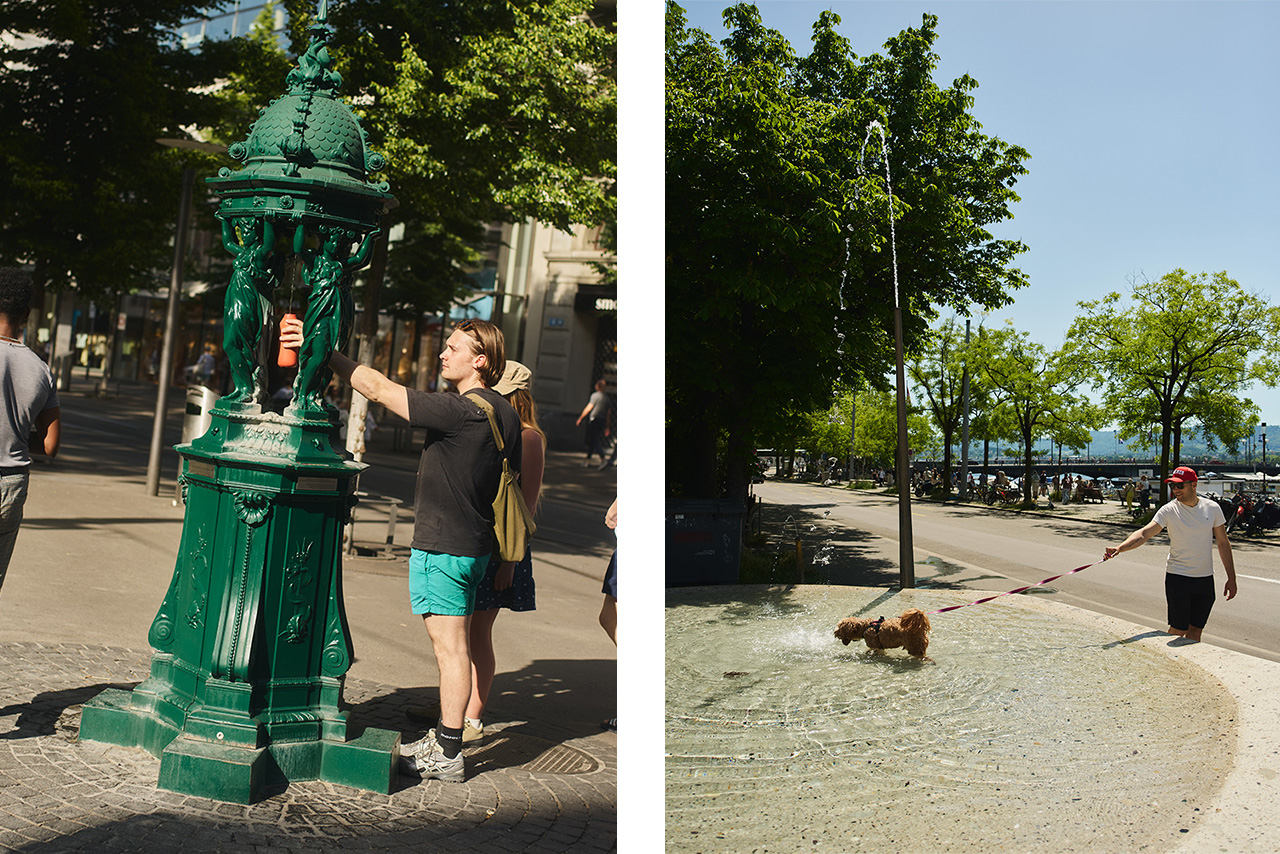
In Zürich, you’re never far from a drinking fountain (writes Désirée Bandli). There are more than 1,200 in the Swiss city, which means that there are almost 266 for every 100,000 residents. (Basel, for comparison, has 143 per 100,000.) Ranging from abstract installations to slick 21st-century models, their designs are diligently documented by the city’s authorities in a series of district-by-district fountain guides.
| |
|
Taking the waters: City dwellers staying hydrated
|
|
Beyond their aesthetic appeal, Zürich’s fountains play a vital role in the urban fabric, especially in the warmer months. Whether as a nice spot where you can to cool off between daytime errands, a perch for enjoying an evening drink with friends or a place | | | | |