Alfred Pasieka/Science Photo Library/via Getty Images
The first time I heard the phrase "contact tracing" was at the height of the Ebola outbreak of 2014. It refers to the practice of tracking down people who've been exposed to a virus that's sparked an outbreak -- and then following up to see who they've been in touch with.
Our global health team published several stories about contact tracing that year. I remember vividly one story in which contact tracers had to hike four miles through a Liberian jungle to get to a remote village where a woman had gone after interacting with someone with Ebola.
This strategy also played a vital role in controlling the COVID pandemic. The United States alone hired thousands of contact tracers.
People are typically infected via rodent excretions but the type of hantavirus identified on the cruise ship can be transmitted from human to human.
Our coverage has looked at the risk posed by this virus, the symptoms and the global reaction -- which includes contact tracing of the more than two dozen passengers who disembarked from the boat before the virus had been identified.
It's a tense time but the public health community is offering reassurance. "I want to be unequivocal here. This is not the start of a COVID pandemic," said Maria Van Kerkhove, the director of epidemic and pandemic management at the WHO. "This is not COVID, this is not influenza. It spreads very, very differently."
And contact tracers have a relatively easy path -- it doesn't seem that arduous hikes through remote terrain will be part of their mission.
Preserving pollinators is good for health — and income
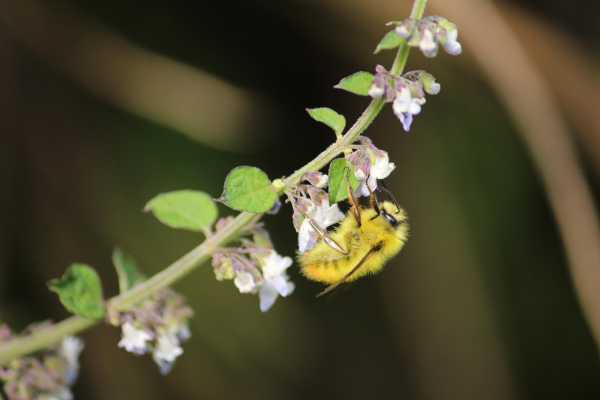
Pollinators have economic and health benefits, but those benefits have been difficult to quantify. A new study puts some numbers to how important pollinators are for both nutrition and income.
You received this message because you're subscribed to Global Health emails. This email was sent by National Public Radio, Inc., 1111 North Capitol Street NE, Washington, DC 20002