What it really means to teach reading for all kids.
 ‌ ‌ ‌ ‌ ‌ ‌ ‌ ‌ ‌ ‌ ‌ ‌ ‌ ‌ ‌ ‌ ‌ ‌ ‌ ‌ ‌ ‌ ‌ ‌ ‌ ‌ ‌ ‌ ‌ ‌ ‌ ‌ ‌ ‌ ‌ ‌ ‌ ‌ ‌ ‌ ‌ ‌ ‌ ‌ ‌ ‌ ‌ ‌ ‌ ‌ ‌ ‌ ‌ ‌ ‌ ‌ ‌ ‌ ‌ ‌ ‌ ‌ ‌ ‌ ‌ ‌ ‌ ‌ ‌ ‌ ‌ ‌ ‌ ‌ ‌ ‌ ‌ ‌ ‌ ‌ ‌ ‌ ‌ ‌ ‌ ‌ ‌ ‌ ‌ ‌ ‌ ‌ ‌ ‌ ‌ ‌ ‌ ‌ ‌ ‌ ‌ ‌ ‌ ‌ ‌ ‌ ‌ ‌ ‌ ‌ ‌ ‌ ‌ ‌ ‌ ‌ ‌ ‌ ‌ ‌ ‌ ‌ ‌ ‌ ‌ ‌
Hey Niepodam,

I've been thinking a lot lately about why I do this work.

Not the curriculum maps or the data binders or the lesson plans — though all of that matters. But the deeper why.

The thing that gets me out of bed on a hard Monday in May when the school year feels very long and the to-do list feels even longer.

Here's what I keep coming back to: every child who leaves our classroom without learning to read isn't just missing a skill.

They're being denied something they were always entitled to.

That thought stopped me in my tracks. And I think it'll stop you too.

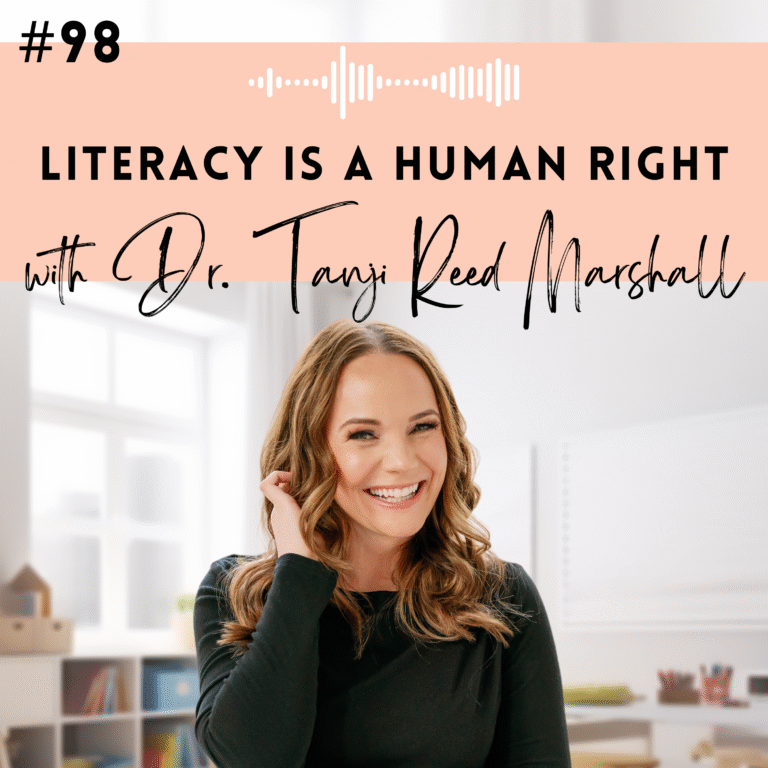
This week on the podcast, I sat down with Dr. Tanji Reed Marshall, a nationally recognized educator and thought leader, and we had one of those conversations that reminds you why teaching is a calling, not just a career.
 
 
We talked about what it really means to teach reading for all kids. Not most kids. Not the kids who look like our materials or fit neatly into our systems. All of them.

Dr. Tanji left me with three questions I haven't been able to shake:

→ Whose needs are consistently being met in your classroom — and whose aren't?
→ What messages are your materials sending, intentionally or not?
→ What beliefs are you holding onto about what "success" is supposed to look like?

This isn't a guilt trip. It's an invitation to get curious and to grow in a way that makes you a better teacher for every single reader in your room.

I think you'll love this one.