
|
 |
Fighting for journalism and profitable news media
Axios shifts from volume to value | Paywall plus philanthropy saved Philadelphia Inquirer
And Wall Street Journal story on Trump and Epstein took six months and 20 staff
|

| |||||||||||||||


Good morning from the team at Press Gazette on Thursday, 7 May.
Press Gazette’s awards for the best digital journalism products (newsletters, podcasts, websites, etc.) are now open for entries. Find out more here.
 |
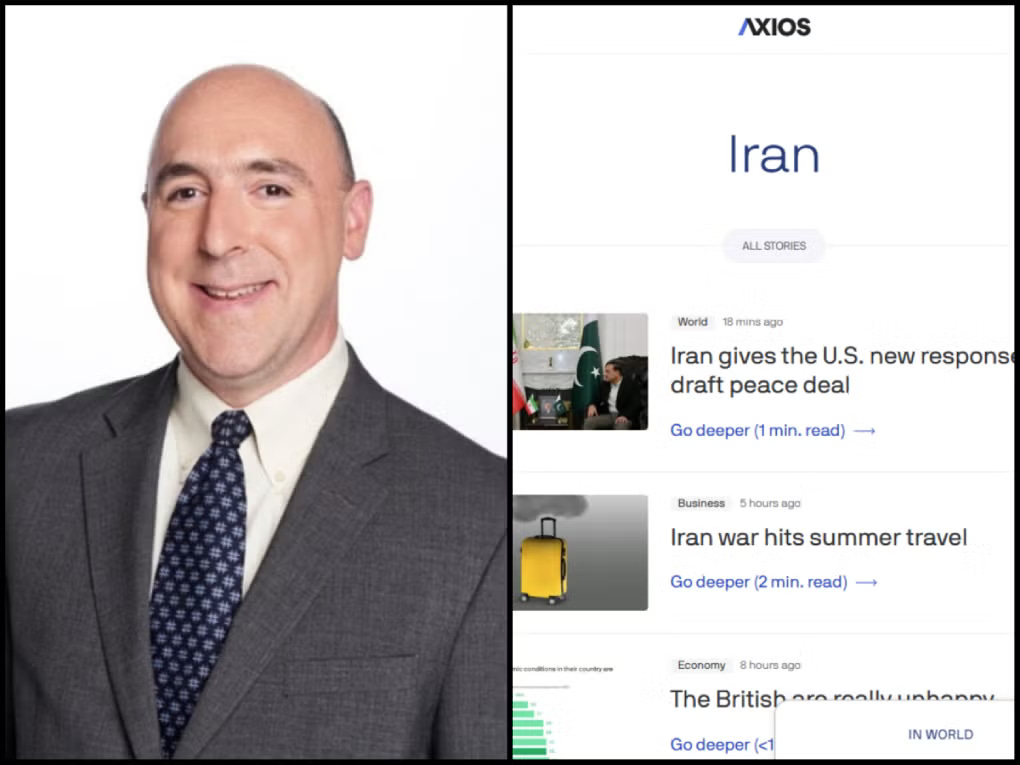
💡 “Write fewer stories… write the things that actually matter. Don’t chase clicks. Don’t chase audience.”
This is advice that has worked for Axios head of news Ben Berkowitz. Whilst running away from page views as a metric of success they have actually gone up for the US newsletter-based publisher.
His words are particularly pertinent for publications targeting senior decision makers in particular niches. CEOs don’t have time to imbibe a stream of consciousness but value smart analysis and reporting they can’t get anywhere else.
Axios has particularly made the running with reporting of the Iran war during which correspondent Barak Ravid has become a one-man scoop machine specialising in exclusive updates on peace negotiations and the diplomatic process.
 |
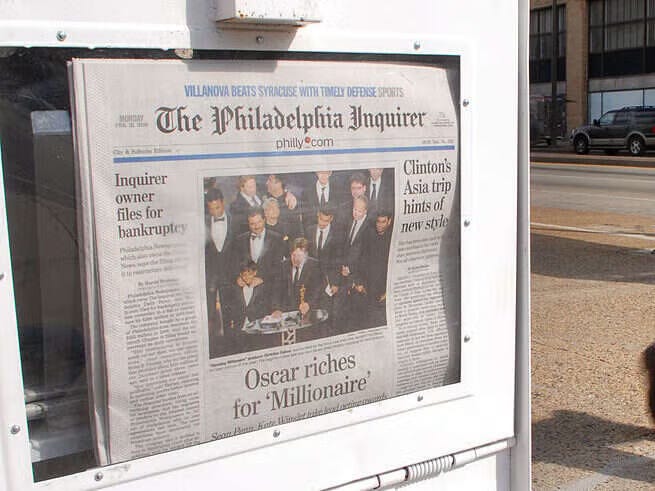
Philanthropic investment and a beneficial non-profit tax structure were part of the mix. But the key ingredient has been online subscriptions, which are now up to around 120,000 paying up to $22 (£16) per month.
Sadly, this is a transformation that no regional daily newspaper in the UK has yet been able to replicate.
Birmingham and Manchester aren’t that much smaller than Philadelphia. Like every other UK regional daily, titles there have cut costs and chased clicks and online advertising to stay in profit. The Reach titles in those cities have launched online paywalls recently but face a long road to reaching critical mass without the breathing space afforded by a philanthropic owner.
 |
⚖️ And Wall Street Journal editor-in-chief Emma Tucker was among the speakers at yesterday’s Sir Harry Evans Inv