News without an agenda. AP is a not-for-profit organization with no corporate parent, no shareholders and no government influence. Our mission is journalism, not profit margins. Your donation supports independent reporting that serves the public interest, not corporate shareholders. Donate today.
|
|
|
In the news today: A note Jeffrey Epstein’s former cellmate claimed he found after the millionaire sex offender’s first suspected jail suicide attempt is made public; the Trump administration’s shifting messages about the Iran war; and how fears about the risks artificial intelligence may pose to humanity loom over the trial pitting Elon Musk against OpenAI CEO Sam Altman. Also, how planes and ships may someday run on seaweed.
|
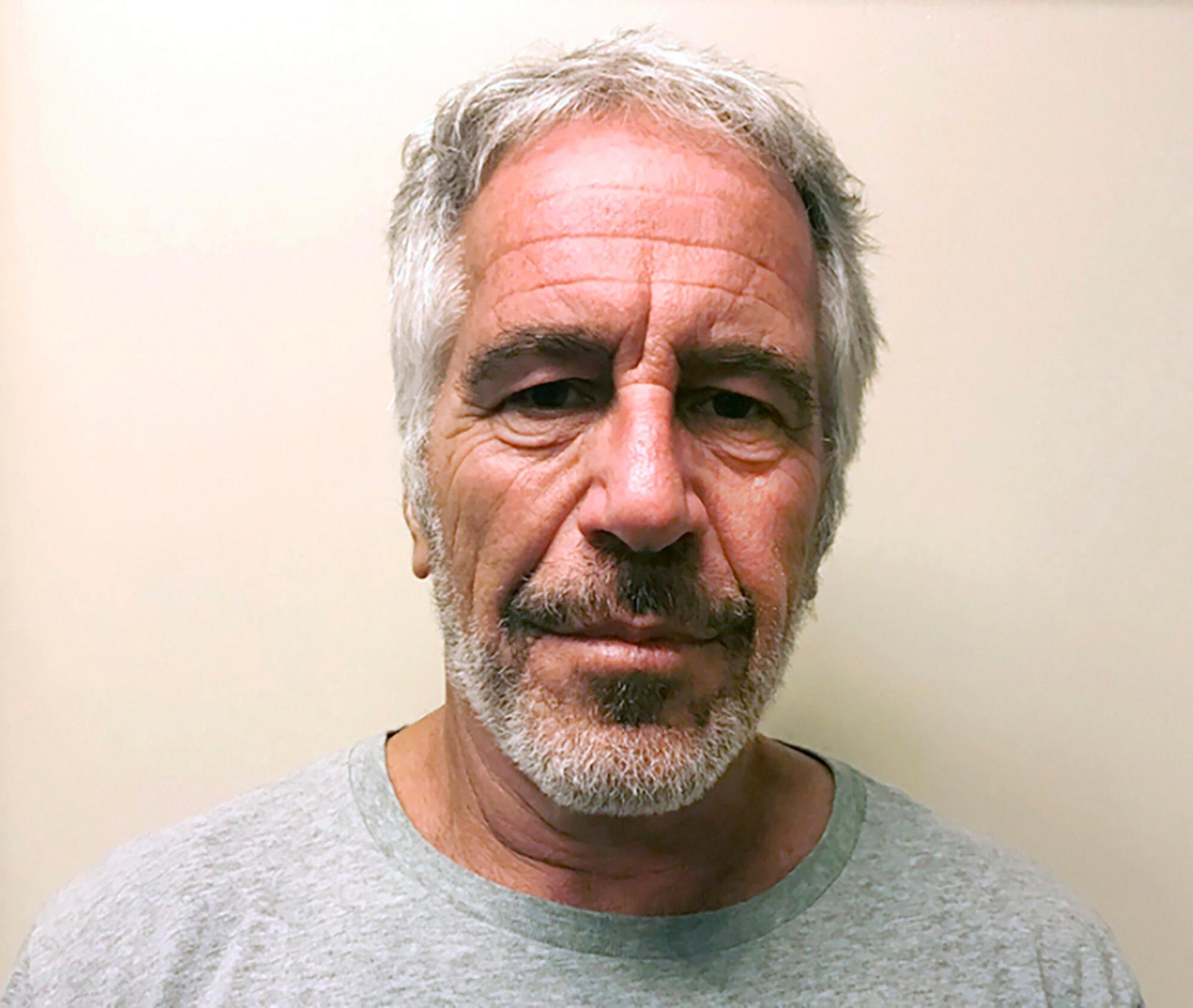
This March 28, 2017, photo provided by the New York State Sex Offender Registry shows Jeffrey Epstein. (New York State Sex Offender Registry via AP) |
Judge releases note that cellmate says he found after Jeffrey Epstein’s suspected suicide attempt |
A note Jeffrey Epstein’s former cellmate claimed he found after the millionaire sex offender’s first suspected jail suicide attempt was made public Wednesday, years after being sealed and locked in a courthouse vault as part of an unrelated legal dispute. Read more. |
|
|
|
-
U.S. District Judge Kenneth Karas in White Plains, New York, ordered the release of the note after The New York Times asked him last week to unseal it and other documents in a case involving the former cellmate, Nicholas Tartaglione. Federal prosecutors did not oppose the request. Few people had known about the note until Tartaglione, a former police officer serving a life sentence for killing four people, mentioned it last year on writer Jessica Reed Kraus’ podcast.
Tartaglione claimed he discovered the note in a book after Epstein was found on the floor of their cell at a Manhattan federal jail on July 23, 2019, with a strip of bedsheet around his neck. That was about three weeks before Epstein was found dead in his cell in what authorities concluded was a suicide. “They investigated me for month -- found nothing!!!” said the short note, which is hard to decipher in some places. “It is a treat to be able to choose” the “time to say goodbye,” the note continues.
-
It is unclear who wrote the note Tartaglione claimed to have found. It wasn’t mentioned in the lengthy government reports examining the circumstances of Epstein’s death, nor did it surface in the Justice Department’s recent release of files on the late financier. In a written ruling, Karas said he weighed the privacy interests of third parties, including Epstein, before ruling to release the note.
|
|
|
Trump messaging about next steps in Iran creates confusion |
The Trump administration’s approach to the Iran war has pinballed from declarations that a tenuous ceasefire was holding and military operations were over to new threats to bomb the Islamic Republic. Read more. |
|
|
The Trump administration’s shifting and often contradictory messaging throughout the Iran war has produced ever more confusion this week as the president and his aides presented a dizzying narrative over the U.S. strategy to unblock the Strait of Hormuz and wrap up the war that drastically changed over the course of mere hours.
Tuesday started with Defense Secretary Pete Hegseth explaining how the U.S. military was protecting stranded ships so they could traverse the Strait of Hormuz. He insisted it was a defensive operation and the truce was still in place even though Iran had launched missiles and drones at U.S. forces, which sank Tehran’s small attack boats. That afternoon, Secretary of State Marco Rubio told reporters at the White House that the military operation was “concluded” and that the U.S. achieved its objectives. But in almost the same breath, he said President Donald Trump was still seeking a “path of peace” that required Iran to agree to a deal to reopen the vital oil shipping corridor. By Tuesday evening, Trump announced that the effort to protect ships was paused to see if an agreement could be reached. Then on Wednesday morning, he again warned that bombing would resume if Tehran didn’t agree to U.S. terms.
|
|
|
Worries about AI’s risks to humanity loom over trial |
At the heart of the trial pitting Elon Musk against OpenAI CEO Sam Altman is a moment when they found common cause on an ever more pressing question: how to protect humanity from the risks of artificial intelligence. But it turned sour, and the jury is charged with settling the ensuing legal dispute between the two Silicon Valley titans. Read more.
|
|
|
Unresolved questions about the dangers of AI have been looming over the federal courthouse in Oakland, California, since the trial began last week. The technology itself is not on trial – the judge has warned lawyers not to get “sidetracked” by questions about its dangers – but witness testimony has touched on concerns around workforce disruptions and the prospect raised by Musk that superhuman AI might one day kill us all. Musk, the world’s richest person, filed the case accusing his fellow OpenAI co-founder of betraying promises to keep the company as a nonprofit. Altman, in turn, accuses Musk of trying to hobble the ChatGPT maker for the benefit of his own AI company.
|
|
|
|