Both sides have traded barbs, attacks and insults as Iran rejected a ceasefire proposal, instead looking for a lasting end to a war that has shut the Strait of Hormuz, a key waterway of energy supplies that has whacked markets and economies.
On the other hand, Trump warned Iran could be "taken out" if it did not meet his deadline to reach a deal, threatening to destroy Iranian power plants and bridges as he brushed off concerns that such actions would be a war crime.
That left jittery investors mostly on the sidelines on Tuesday with stocks struggling for direction while the dollar held its ground. Even stellar earnings from chipmaker Samsung Electronics were not enough to lift the mood.
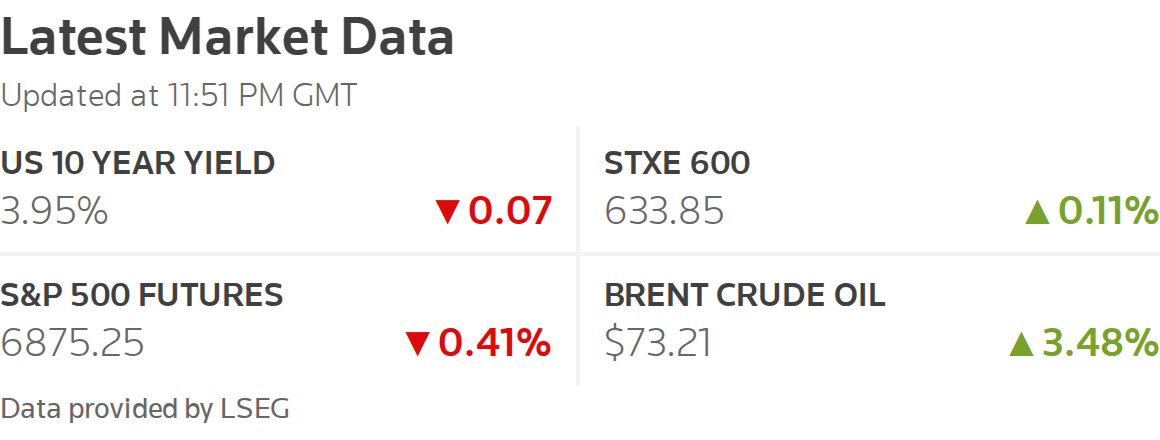
U.S. stock futures fell 0.44% while European futures pointed to a subdued open as the region returns from holidays on Friday and Monday. Brent crude stood at $111.43 per barrel and is now up about $39, or 53% since the war broke out.
The yen remained perilously close to the 160 per dollar level that traders are worried could bring Tokyo into the market to support the frail currency. But with demand for U.S. dollar unrelenting, any intervention might end up being futile.
Manufacturing data later in the day might provide a glimpse of the impact of the six-week long war on the European economy and whether the worries over pricing pressure due to the energy shock are warranted.
But for now investor focus will be on yet another binary risk event that could shape near-term sentiment.