|
|
|
Hello!
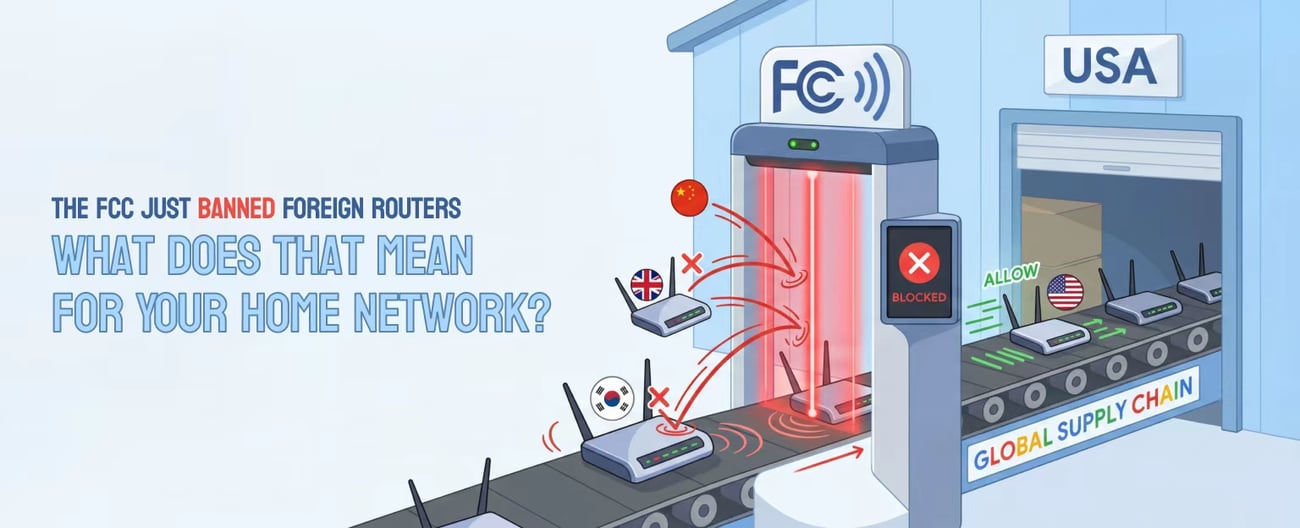
Did you see the news this week? On March 23, the FCC officially blocked all new foreign-made consumer routers from receiving sales authorization in the United States, citing national security.
The headline sounds straightforward…but in reality it’s a bit more complicated.
What actually happened
The FCC added all foreign-produced consumer routers to its "Covered List," meaning no new models can be approved for sale in the US going forward. The justification points to Chinese state-backed hacking groups like Volt Typhoon and Salt Typhoon, which have been linked to attacks on US network infrastructure.
Here is the catch. Nearly every router on the market is manufactured overseas, including brands like Netgear, TP-Link, and ASUS. The only current exception is Starlink's router which is assembled in Texas. And worth noting, Salt Typhoon's most high-profile breach actually involved Cisco routers, which are an American brand.
Existing models can still be sold for now. But once manufacturers update their product lines, those new versions cannot enter the US market without going through a lengthy governmental approval process.
|
|
What this means for you
In the short term, not much changes. Your current router will keep working and shelves won't go empty overnight.
Over the next few years though, your choices will shrink and prices will likely rise. The routers that do make it through will need to pass a government approval process that raises its own questions about transparency and oversight.
The bigger picture
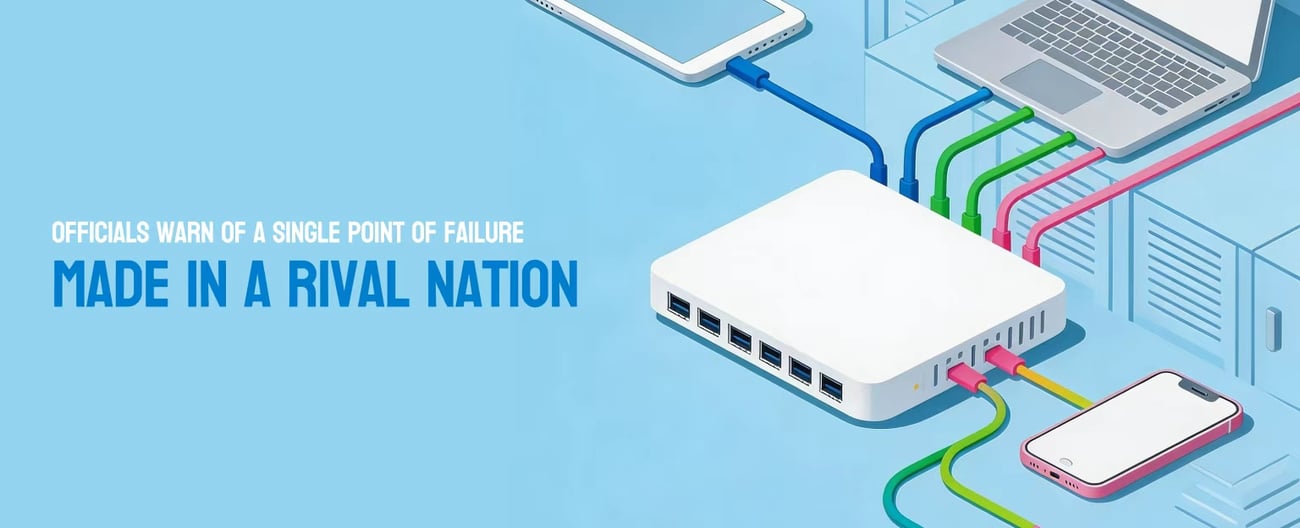
The government's argument is essentially this: foreign-made routers are a security risk because they represent a centralized point of control that a foreign adversary could exploit.
That logic holds up… BUT… it applies far beyond the country of product manufacturing.
Any router, regardless of where it is built, is a centralized point through which your traffic flows. Any VPN that routes your data through a central server is another one. Any ISP is another. The question of who controls the chokepoint does not go away just because the chokepoint is made domestically.
The FCC's move changes who owns the chokepoint. It does not eliminate the chokepoint itself.
|
|
What about Deeper Connect?
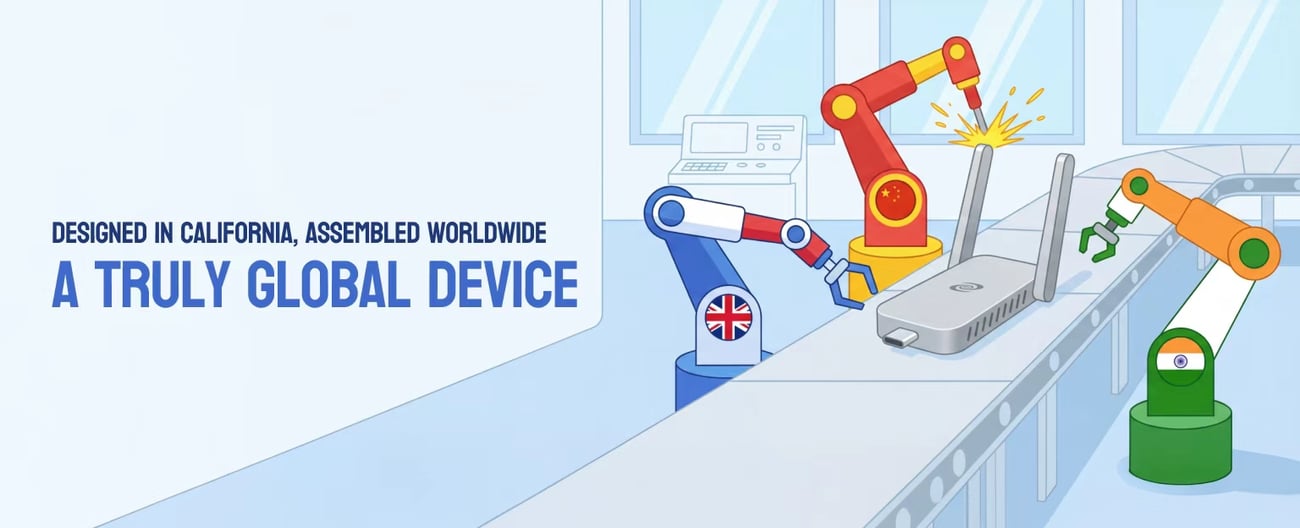
Deeper Connect is designed in California and assembled globally. Could it be affected by rulings like this down the road? Honestly, maybe. The regulatory landscape is moving fast and nothing is off the table.
What we can tell you is this: for everyone who already has a Deeper Connect device, our development team remains fully committed. New firmware updates, improved features, and a better user experience are continuously in the works. Your device today will be more capable tomorrow.
The bigger question this ruling raises is worth sitting with, when governments start drawing lines around the hardware that connects you to the internet, what does that mean for your ability to control your own network, your own data, and your own privacy?
Whether that distinction matters to you is worth thinking about.
The Deeper Network Team
|

|
Perseverance and Shared Success: A Letter to Every Builder of Deeper Network
|
|
|
|
|
|
 |
|
|
Experience the most Secure, Private, Fast and Reliable Network.
|
|
|
|
|
|


