Image

Daily News Brief

March 10, 2026

Welcome to CFR’s Daily News Brief. Today we’re covering U.S. President Donald Trump’s shifting messaging on the Iran war, as well as...

  • Anthropic’s lawsuit against the Pentagon
  • Japan-Malaysia rare earth cooperation
  • Charges in New York City for an attempted terrorist attack 


Top of the Agenda

Trump offered mixed messages yesterday regarding the U.S.-Israeli war with Iran. He said the war could be over “soon” and that the United States had already achieved many of its military objectives in Iran, signaling readiness for an off-ramp. But he also threatened to escalate if Iranian officials maintain restrictions on the Strait of Hormuz, which they have pledged to do. A senior Iranian official told CNN yesterday that Tehran is ready for a long war and does not “see any room for diplomacy.”  


The latest on strikes. U.S. Central Command yesterday announced it had hit more than five thousand Iranian targets and damaged or destroyed more than fifty Iranian ships in ten days of war. Turkey said NATO air defenses shot down an incoming Iranian missile in its airspace yesterday, the second time the alliance has defended its member state. Fighting in Lebanon between Israel and Hezbollah has displaced almost seven hundred thousand people in a week, including one hundred thousand people in the course of one day alone, the UN refugee agency said today.


Europe’s mobilization. Speaking in Cyprus yesterday, French President Emmanuel Macron said France and its partners would deploy a naval mission to escort ships through the Strait of Hormuz once the conflict has calmed. The Netherlands said it would send a naval frigate to the Mediterranean at France’s request to help protect Cyprus, which was hit by an Iranian drone last week. 


The energy fallout. Though oil fell back to around $90 a barrel from nearly $120 yesterday, high energy prices are already having sweeping ramifications. They have led authorities in Bangladesh to close universities, while Pakistan and the Philippines declared a four-day work week. The head of Saudi Arabia’s state oil company said today that although it will reroute some exports through the Red Sea, continued war would yield “drastic” effects on the world economy. International Monetary Fund chief Kristalina Georgieva said yesterday that every 10 percent increase in energy prices over the course of 2026 is expected to increase global inflation by almost half a percent. 


An unnamed Iranian official told CNN that Iran holds “the screw of the global oil price in our hands” and would continue to fight “until Trump declares defeat.”


“[U.S.] military efforts face the reality of diminishing returns and interfere with the emergence of a coherent [Iranian] leadership willing and able to end the fighting. The prospects for regime change leading to a democratic Iran are poor. Meanwhile, the costs to the U.S. and to President Donald Trump are mounting: dead service members, attacks on allies in the region, shortages of defensive systems, spiking energy costs, falling stock markets and poll numbers—not to mention the weakening of Washington’s ability to deal with the Chinese threat in the Indo-Pacific and the Russian menace to Ukraine and Europe.”

—CFR President Emeritus Richard Haass, Financial Times


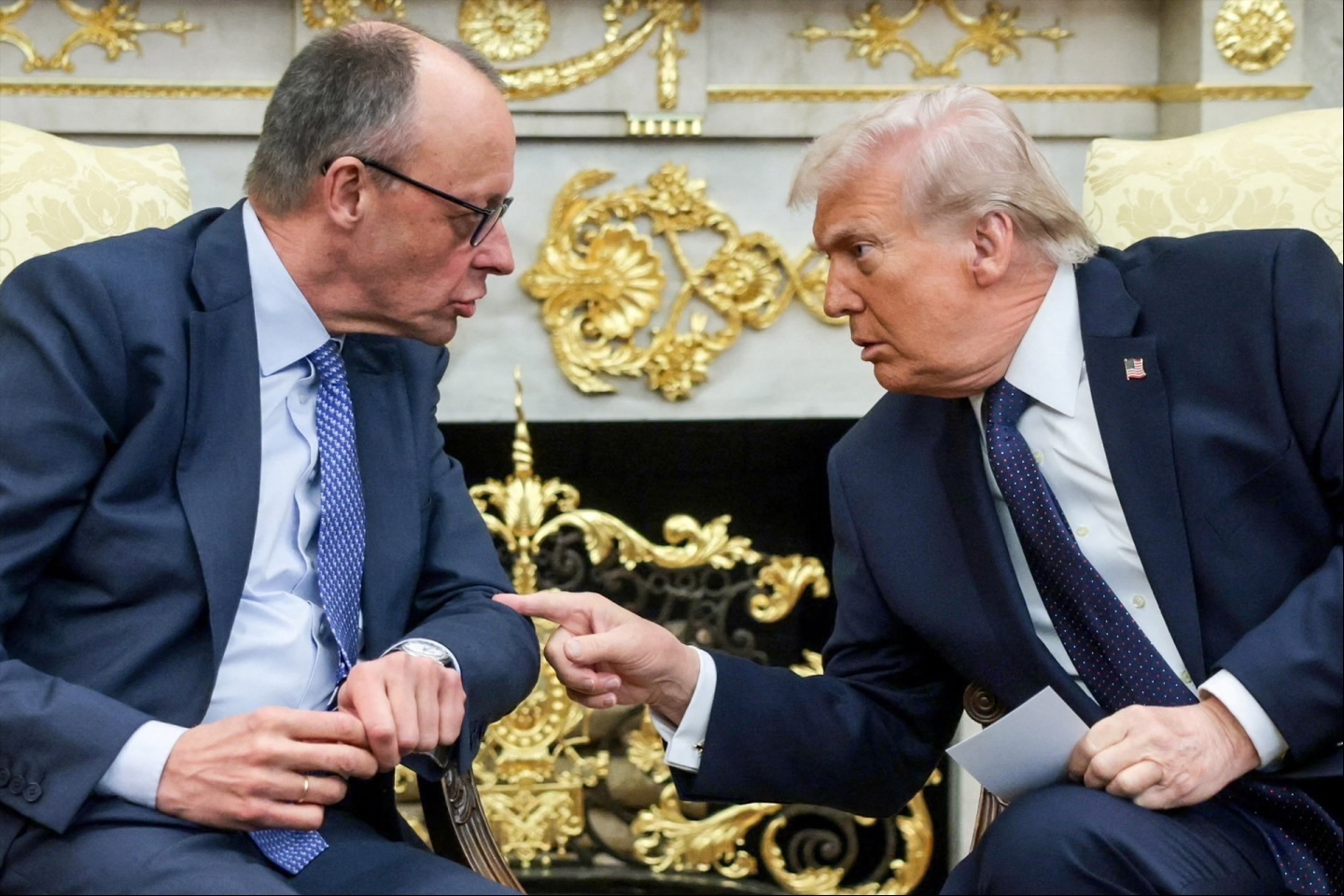
Europe’s Disjointed Response to the U.S.–Israeli War With Iran

U.S. President Donald Trump and German Chancellor Friedrich Merz meet in the Oval Office at the White House in Washington, D.C., on March 3, 2026.

Jonathan Ernst/Reuters

Taken together, European leaders’ responses to the conflict show they remain deeply divided on questions of military intervention and the use of force, CFR Senior Fellow Matthias Matthijs writes in this Expert Take.


Across the Globe

Anthropic sues Pentagon. The artificial intelligence (AI) firm sued the Department of Defense yesterday over the Pentagon’s decision to label it a supply chain risk last week, a designation usually reserved for foreign companies. Anthropic argued the designation was being used to retaliate against it for its values regarding responsible AI use, thereby violating the company’s First Amendment rights. The Department of Defense declined to comment. Thirty-seven researchers at Anthropic competitors OpenAI and Google filed a court brief in favor of Anthropic’s case.


Terrorism charges in New York. Two men were charged yesterday for trying to carry out an attack in New York City inspired by the self-declared Islamic State. They attempted to detonate two improvised explosive devices at a protest outside the mayor’s residence on Saturday, but the devices failed and they were subsequently detained. The city’s police deputy commissioner of intelligence and counterterrorism said the incident reflected a trend of radicalization among young people toward ISIS and other extremist groups.


Japan-Malaysia rare earth cooperation. Japan will use government development assistance funds for rare-earth mining and refining in Malaysia for the first time, Nikkei reported. The Malaysian government estimates the country has around 16 million metric tons of rare earths, including key inputs for electric vehicle motors. Japan will train Malaysian partners and provide environmentally friendly refining technology.


Iranian athletes in Australia. Australia granted humanitarian visas to five Iranian female soccer players who feared persecution if they returned home, Prime Minister Anthony Albanese said yesterday. An Iranian state television announcer called the Iranian national women’s soccer team “wartime traitors” last week after they declined to sing the country’s national anthem before a match at the Asian Cup tournament being hosted by Australia.


Madagascar dissolves government. The country’s President Michael Randrianirina dismissed his prime minister and cabinet yesterday, without specifying a reason. Randrianirina came to power following youth-led anti-government protests last year. In recent days, youth activists had called on him to resign due to dissatisfaction with his administration.


Putin’s support of Tehran. Russian President Vladimir Putin congratulated Mojtaba Khamenei on being named Iran’s new supreme leader yesterday and pledged Russia’s continued support to Tehran. Separately, Putin spoke with Trump yesterday for the first time since the start of the war. Putin outlined proposals for ending the Iran war, the Kremlin said. Trump later said that Russia “could be more helpful” by ending its war in Ukraine.


Indonesia’s missile purchase. Indonesia reached a deal with India to procure the BrahMos missile system, an Indonesian defense ministry spokesperson told Reuters yesterday. The company that produces the missile system is co-owned by the Indian and Russian governments. The deal is several years in the making: In 2023, the company said it was in talks with Indonesia on a $200 million to $350 million deal.


Terrorism designation in Sudan. The U.S. State Department announced two terrorist designations yesterday for the Sudanese Muslim Brotherhood that will take effect by March 16. It said many of the group’s fighters receive support from Iran’s Islamic Revolutionary Guard Corps. The move follows the department’s issuance of terrorist designations against Muslim Brotherhood chapters in Egypt, Jordan, and Lebanon in January.


In Nepal, Gen Z Gets a Victory—and the Country Could, Too

Balendra Shah, a rapper-turned-politician and the prime ministerial candidate for Rastriya Swatantra Party (RSP), greets his supporters as he celebrates after winning the election in Damak, Nepal, on March 7, 2026.

Adnan Abidi/Reuters

Rapper-turned-politician Balendra Shah’s success at the Nepalese ballot signifies a triumph for Gen Z demonstrators across the country, CFR expert Joshua Kurlantzick writes for Asia Unbound.


What’s Next

  • Today, UN nuclear chief Rafael Grossi speaks at a nuclear energy summit in Paris.

  • Today, the U.S. Senate Committee on Armed Services receives a closed-door briefing on Operation Epic Fury in Washington, DC.

  • Tomorrow, José Antonio Kast will be inaugurated as president of Chile.


U.S. Relations With Iran

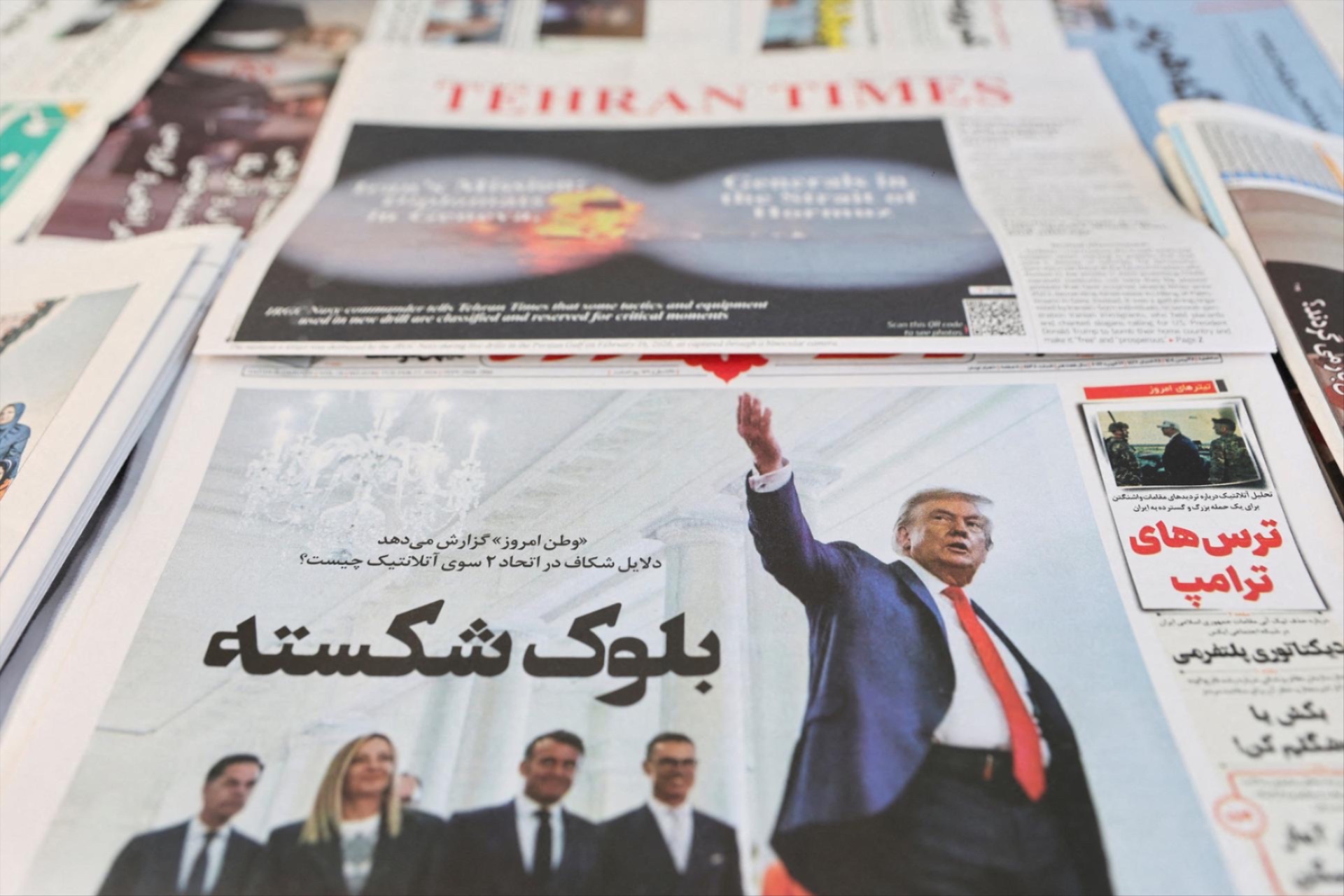
An Iranian newspaper with a cover photo of U.S. President Donald Trump, in Tehran, Iran, February 17, 2026.

Majid Asgaripour/West Asia News Agency/Reuters

Once allies, the United States and Iran have seen tensions escalate repeatedly in the four decades since the Islamic Revolution, CFR editors write in this timeline.


Council on Foreign Relations