Welcome to a special edition of the Project 47 newsletter, where we’ll spend the next few months focused on the biggest stories affecting the 2026 midterm elections.
Every Tuesday, subscribers can expect a weekly digest summarizing the biggest issues shaping key races in November. On Thursdays, you’ll still receive a newsletter tracking the Trump administration and its actions. If you would prefer to opt out of the special midterms edition of the newsletter, click here and you will be automatically removed.
|
|
|
|
Bethany Irvine: High hopes
|
| |
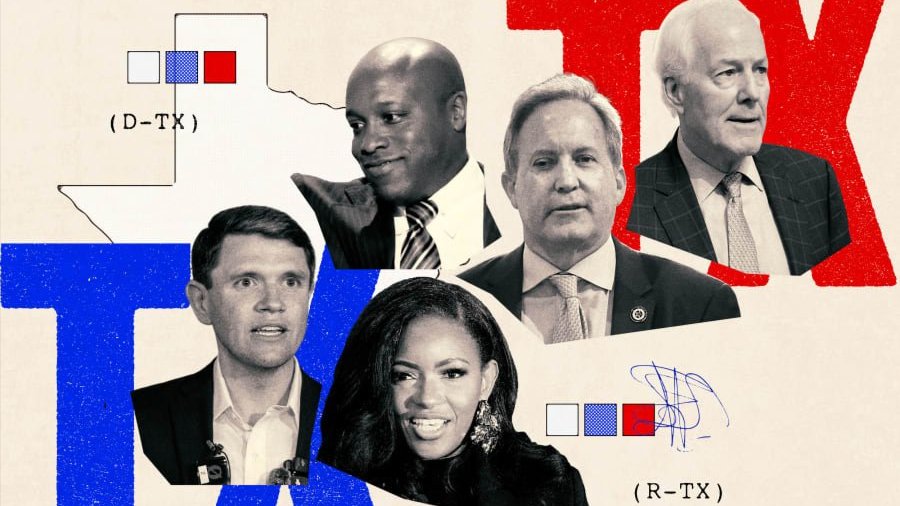
Every few years, Texas Democrats get their hopes up. Whether it’s a surge in voter turnout, encouraging polls or a charismatic candidate, the beleaguered state party starts to think it can end a statewide losing streak that dates back to 1994, only to lose again.
Democrats are feeling optimistic again as they head to the polls for Tuesday night’s primary.
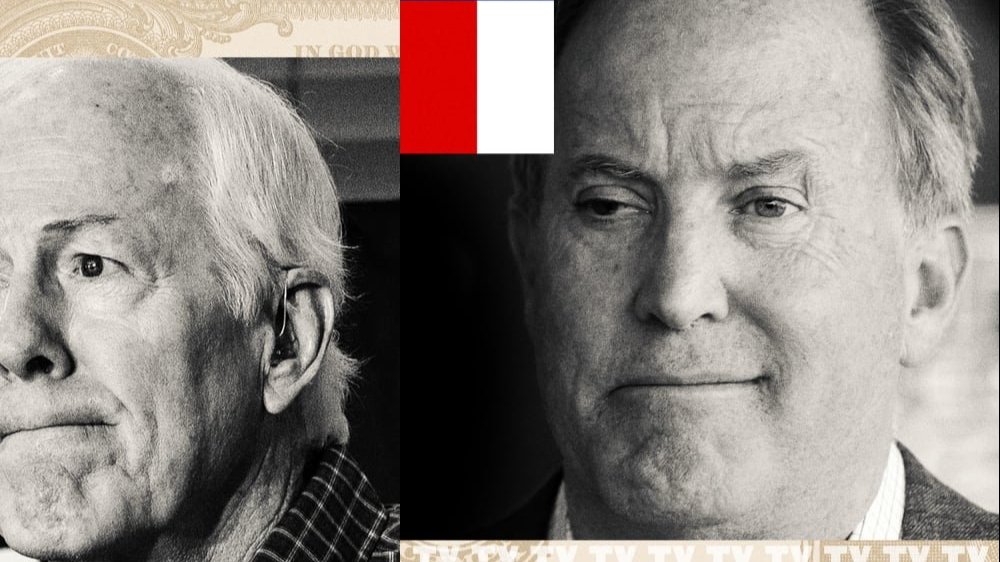
Already, the face-off between Dallas-area Rep. Jasmine Crockett and state Rep. James Talarico has spurred record-breaking early voting turnout. And with Republicans locked in a contentious and costly three-way primary, Democrats are seeing their best shot since Beto O’Rourke came within three points of unseating incumbent Sen. Ted Cruz, R-Texas, in 2018.
But first, the party will need to fix its own house. Supporters of Crockett and Talarico have had flare-ups over questions about race and electability that could undermine who wins the nomination.
The primary won’t just decide the nominee, though. It’ll also help answer five underlying questions that have been raised so far about the party and the upcoming midterm elections, from what’s behind the surge in early voting to whether Democrats can mend their internal divisions.
Read Bethany Irvine’s analysis here. And as voters cast ballots in U.S. House and Senate primary races in Arkansas, North Carolina and Texas, follow our live blog for the latest updates and analysis.
|
|
|
Who do you think will win the Texas Democratic Senate primary? | |
|
The midterm elections for the U.S. House and Senate are getting the most attention. But there are hundreds of other local and state races and ballot measures to vote on as well. Each week, we pause to highlight an election you should know about. This week’s contender is Maine’s open gubernatorial race.
It’s not surprising that the relatives of politicians end up running for office themselves, especially when they share a last name. Mounting a campaign is expensive, and having ready access to a network of potential donors and name recognition among voters can give you a head start. But it’s surprising how the race for governor of Maine has attracted as many as three candidates with family ties. With Gov. Janet Mills facing a term limit (and running for Senate), the race is open. On the Democratic side, Angus King III, the son of a senator with the same name, and Hannah Pingree, the daughter of Rep. Chellie Pingree, are running. On the Republican side, Jonathan Bush, a cousin of George W. Bush, is running. Still, family isn’t everything. Polls show other candidates currently in the lead for the June primary: former Maine Center for Disease Control and Prevention Director Nirav Shah for Democrats and former Assistant Secretary of State Bobby Charles for Republicans.
|
|
|
Voter trust in the upcoming elections has dropped dramatically among Democrats, Republicans and independents, according to polls. Each week, we take a look at a different aspect of voting and what you should know. This week we’re looking at a draft executive order on voting.
Pro-Trump activists caused a stir last week when The Washington Post reported that they were circulating a 17-page draft executive order to declare an elections emergency. But even if Trump issued it, it would face a mountain of obstacles. First, the Constitution clearly states that state legislatures run elections, with some guidance from Congress. Legal experts from both the Brennan Center and the Cato Institute agree that the president plays no role in running elections. When Trump attempted to assert control over elections in a March 2025 executive order, it was repeatedly blocked by federal courts that said he had exceeded his constitutional authority. The order also relies on a claim that China interfered in the 2020 elections that a declassified intelligence report refuted, which would further undermine it in court. Finally, the order contains massive changes to voting that are logistically impossible eight months from a major election.
Bottom line: If the draft executive order has you feeling anxious about the elections, consider signing up to be a nonpartisan poll worker to help run elections in your area. Alternately, you can volunteer to be a poll watcher looking for potential problems for groups such as the Lawyers’ Committee for Civil Rights Under Law and Common Cause.
|
|
|
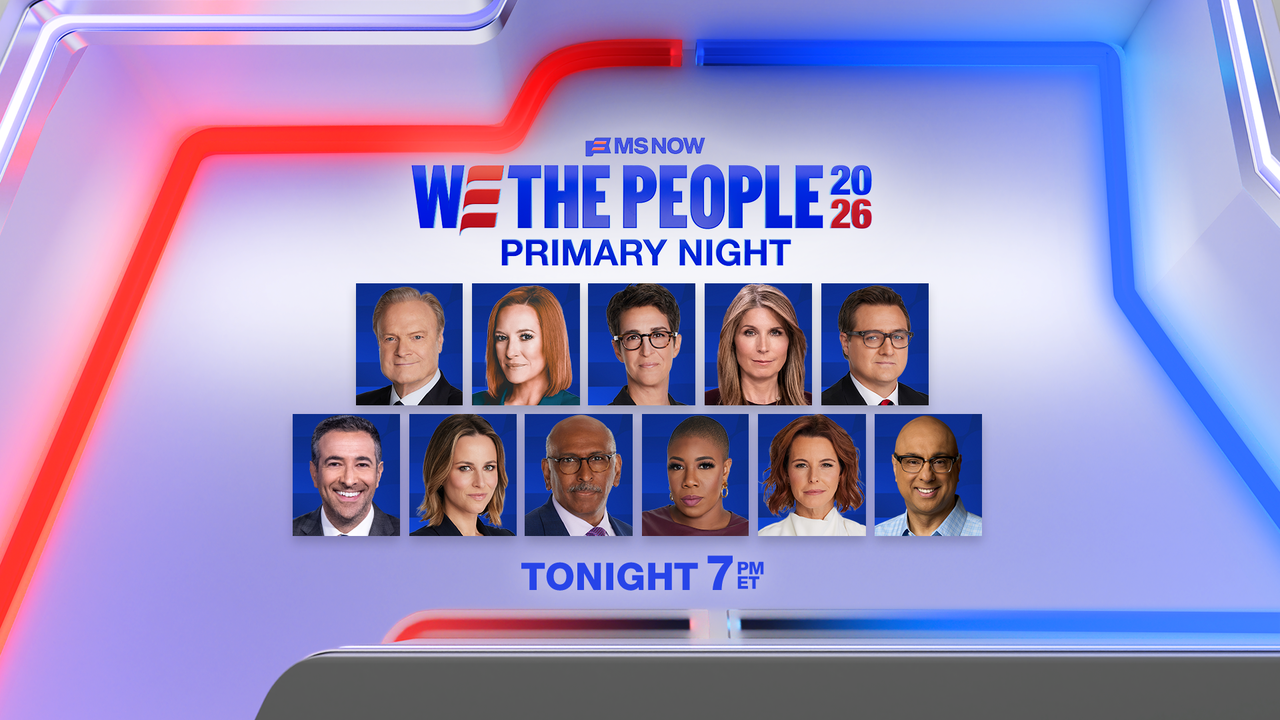
Tonight, the battle begins for control of Congress with primaries in Arkansas, North Carolina and Texas. Join Rachel Maddow and team for analysis throughout the night, with Ali Velshi breaking down real-time results. Special coverage begins tonight at 7 p.m. Eastern on MS NOW. |
|
|
229 West 43rd St.
New York, NY 10036 |
|
|
|