| |
| 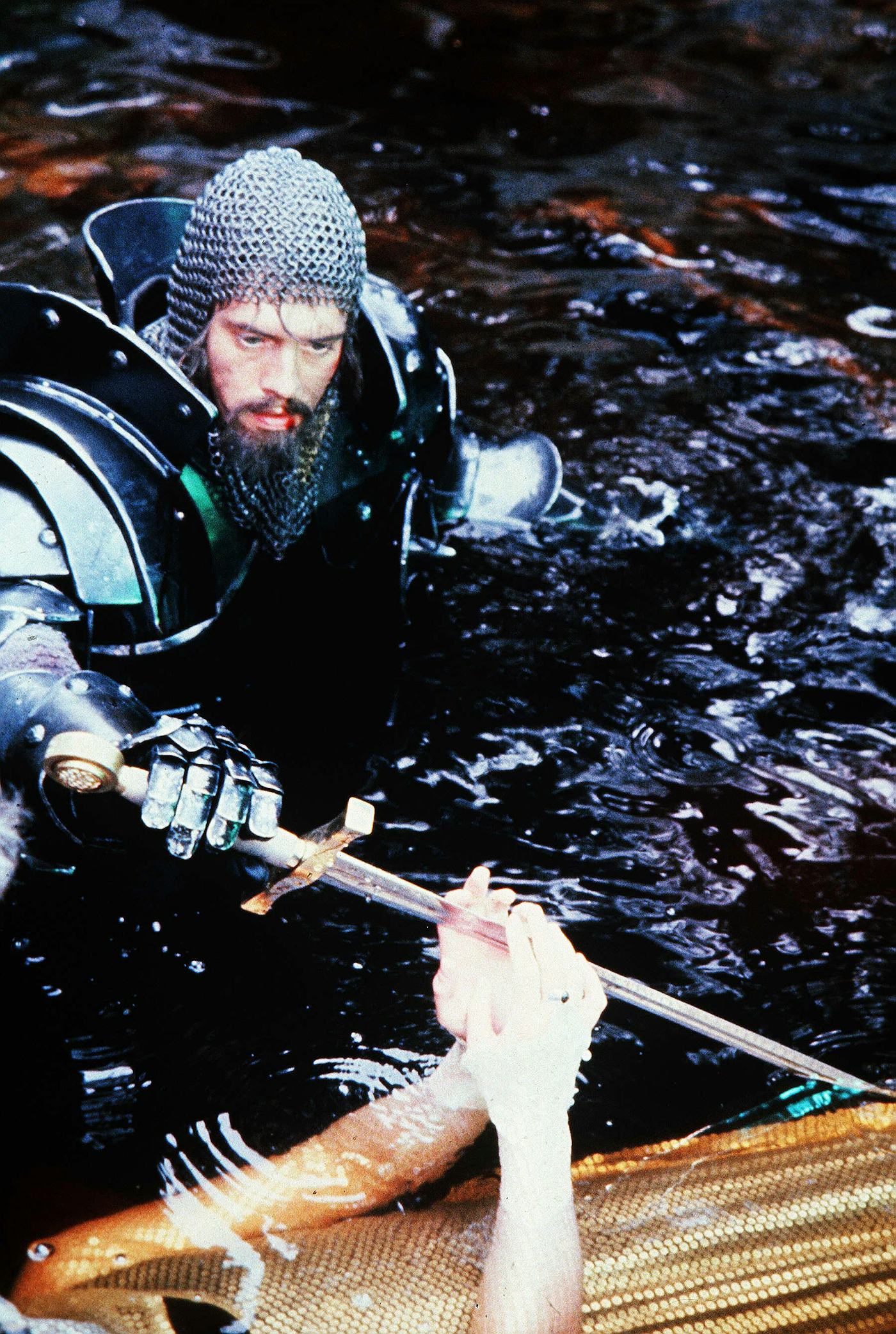 | Orion/Warner Bros/Kobal/Shutterstock | | 45 Years Later, The Best Lord Of The Rings Movie That Never Was Is Getting A Huge Upgrade | Hard as it is to imagine the phrases “Dark Lord” and “lasciviously dancing” in the same sentence, in another world (or Middle-earth), Sauron might’ve been a Mick Jagger type. In his thrall, the “femme fatale” wizard Saruman would’ve initiated a seduction...of Gandalf, to be precise. This was director John Boorman’s vision for his three-hour-long The Lord of the Rings movie. Yes, singular. Around 1970, United Artists — which owned the film rights to J R R Tolkien’s trilogy — asked him to helm an adaptation. Over six months, he and Italian architect Rospo Pallenberg, who was looking to break into the movies, drafted a map of Middle Earth and in-depth character analyses, broke down scenes, and devised solutions to special-effects problems in a pre-CGI world. (To miniaturize the Hobbits, they figured, they’d cast 10-year-olds, give them facial hair and get adult men to dub over their voices.) “We had devised an almost-unmakeable script,” wrote Boorman in his memoir. And by the time they submitted it, the setback-beset studio had neither the interest nor funds. Instead, his ideas and imagery eventually made their way into his medieval epic Excalibur (1981), which condenses the life and legend of King Arthur (Nigel Terry) into two-plus hours of swords and sorcery in the Dark Ages. With a 4K UHD Blu-ray now out, there’s no better time to revisit Camelot. Read our full review here. | | Or Get 'Excalibur' Limited Edition on Blu-Ray Now |  |
|
|
|
|
|
|
| |
|
| | | | |  | Warner Bros. |
| |
|
|
|
| |
|
| |  | Sentral East Austin 1630 | | Presented by Inside Hotels |
| | Hospitality Hits Different In Texas | Texas generosity and charm is unlike any other, but where you choose to crash can make all the difference between a bland stay and experiencing true southern hospitality. Stays at Sentral East Austin 1630 are the real deal. Check into apartment suites of all sizes, featuring full kitchens with space to spread out. Then check out a wide range of in-building extras, like Love Bubble Tea for boba and the Small World Goods shop for items you won’t find anywhere else. The baristas at Klerje Coffee have your morning ritual covered, while the Olde Soul Barbershop is a convenient grooming go-to. Remote work stations are available when you need them and, at night, the courtyard fire pit is the perfect place for Lone Star-style stargazing. | | Book Now | |
|
|
|
|
|
|
| |
|
| | |  | | Omni Barton Creek Resort & Spa | | This Texas Hill Country standout has it all. You could spend a week alone alternating between the treatment rooms, sauna, rooftop pool, and cold plunge of their 13,000-square-foot Mokara Spa. But don’t miss the upscale Blind Salamander Kitchen & Bar for seasonal seafood or small plates made with local ingredients at Jim Bob’s Lobby Lounge. | | Book Now | |
|
|
|
|
| | 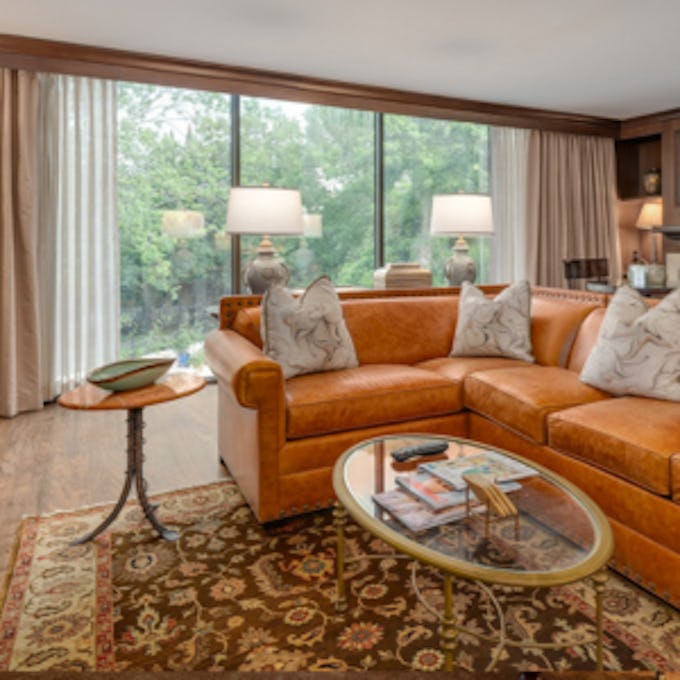 | | The Houstonian Hotel, Club & Spa | | Elegance earned this historic gem a “#1 Resort in Texas” ranking, and it’s no wonder as to why. There’s the seasonally-curated menu at Tribute, the prime outdoor deck seating at Arbor Grill with delicious burgers and drinks, and even a state-of-the-art jogging path and two Padel courts to practice your lob. It’s classic Texas hospitality, tailored for you. | | Book Now | |
|
|
|
|
|
|---|
|
|
|
| |
|
| | | 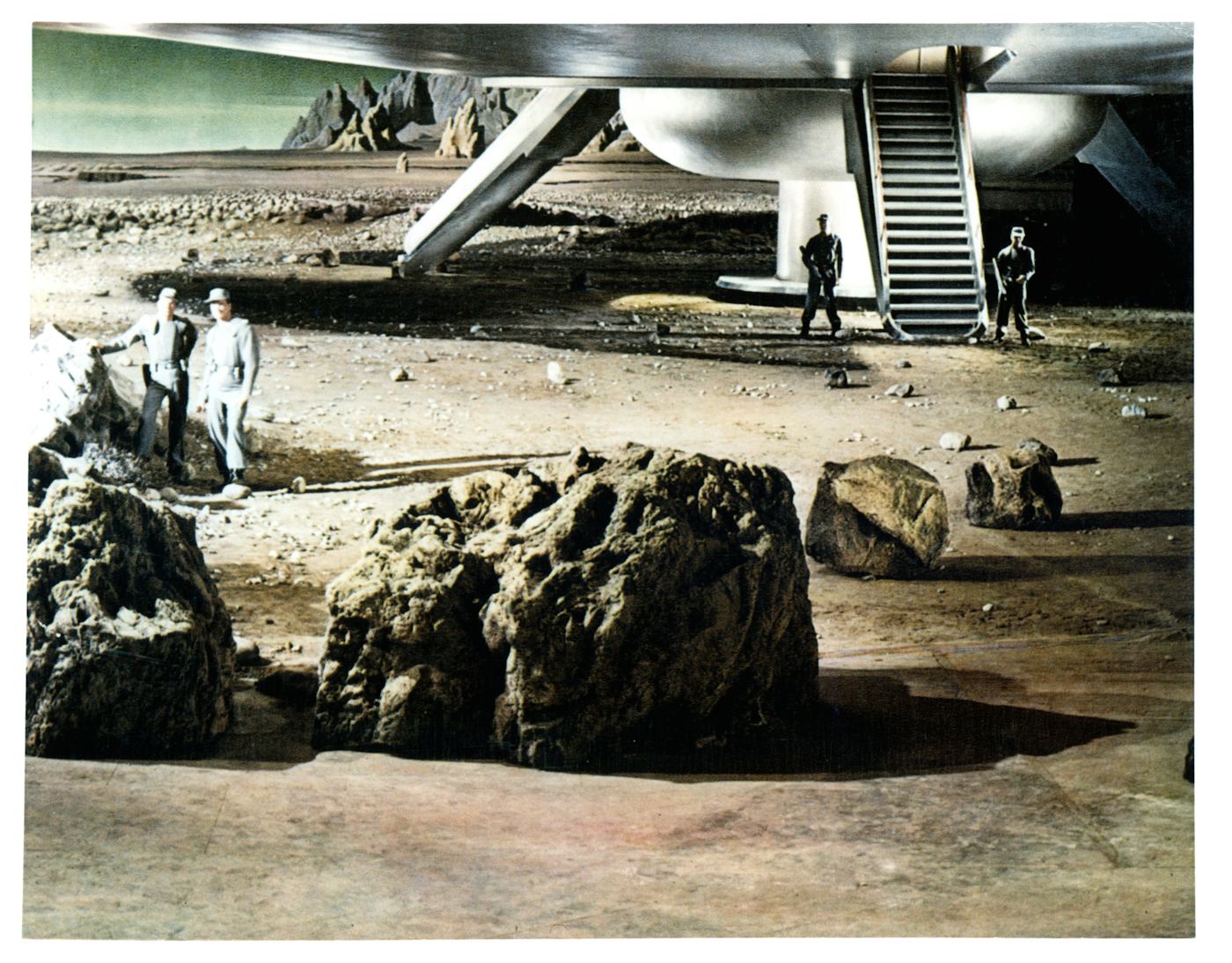 | Archive Photos/Moviepix/Getty Images | | 70 Years Ago, One Deeply Flawed Sci-Fi Classic Changed Everything | On March 3 and 4, 1956, at a humble science fiction convention in Charlotte, North Carolina, called SECon II (Southeastern Science Fiction Convention), roughly 30 people got an early screening of what one hardcore enthusiast, at the time, called “the first real s-f film, as fans know science fiction.” That film was Forbidden Planet, a pivotal film in the history of science fiction, and the moment that the type of SF previously found in print began making its way into the mainstream. The reviewer who called it “the first real s-f” film was Robert A. Madle, writing a brief convention report for the fanzine Fantasy Times. He also noted that the people in the audience (again, very small, made of hardcore fans) were “sitting on the edge of their seats,” and “comments following the showing were enthusiastic.” Today, this might seem like an understatement, considering the degree to which Forbidden Planet changed pop culture, or at least pioneered a certain kind of mainstream space-oriented science fiction which would dominate mainstream TV and film sci-fi for decades to come. (For what it’s worth, they didn’t call it sci-fi back then, by the way, hence s-f.) The question now is, for being as formative as it was, if you showed Forbidden Planet to a small audience of hardcore sci-fi fans now and they’d never seen it before, what would they think? The answer is probably this: Forbidden Planet is a beautiful film, way ahead of its time visually and sonically, that now feels slow, poorly paced, and full of concepts that the 1960s Star Trek did much better, and with more joy. In short, in 2026, 70 years after its release, Forbidden Planet isn’t greater than the sum of its robot parts, but some of its parts are not only great, but now woven into the basic fabric of science fiction in general. | | READ MORE | |
|
|
|
|
|
|
| |
|
| |
|
|
|